
Last updated November 17, 2026
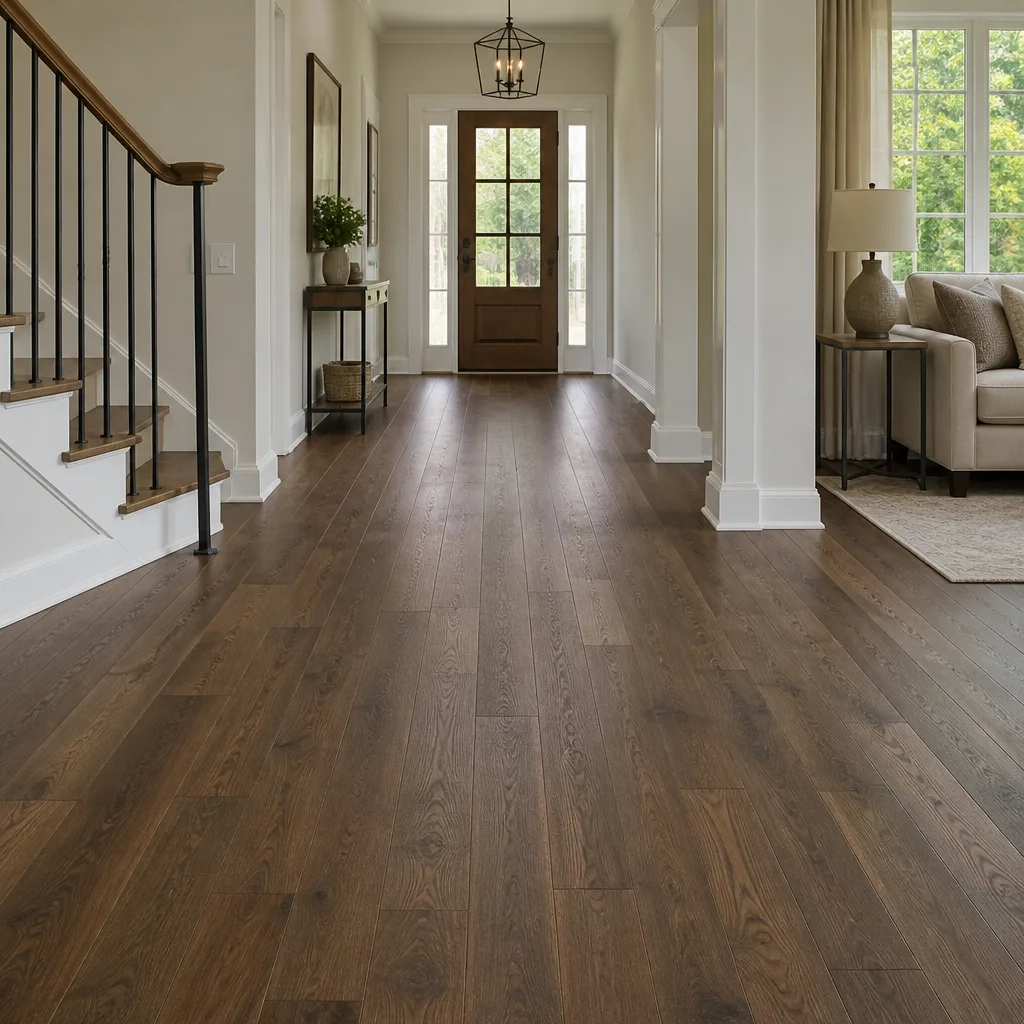
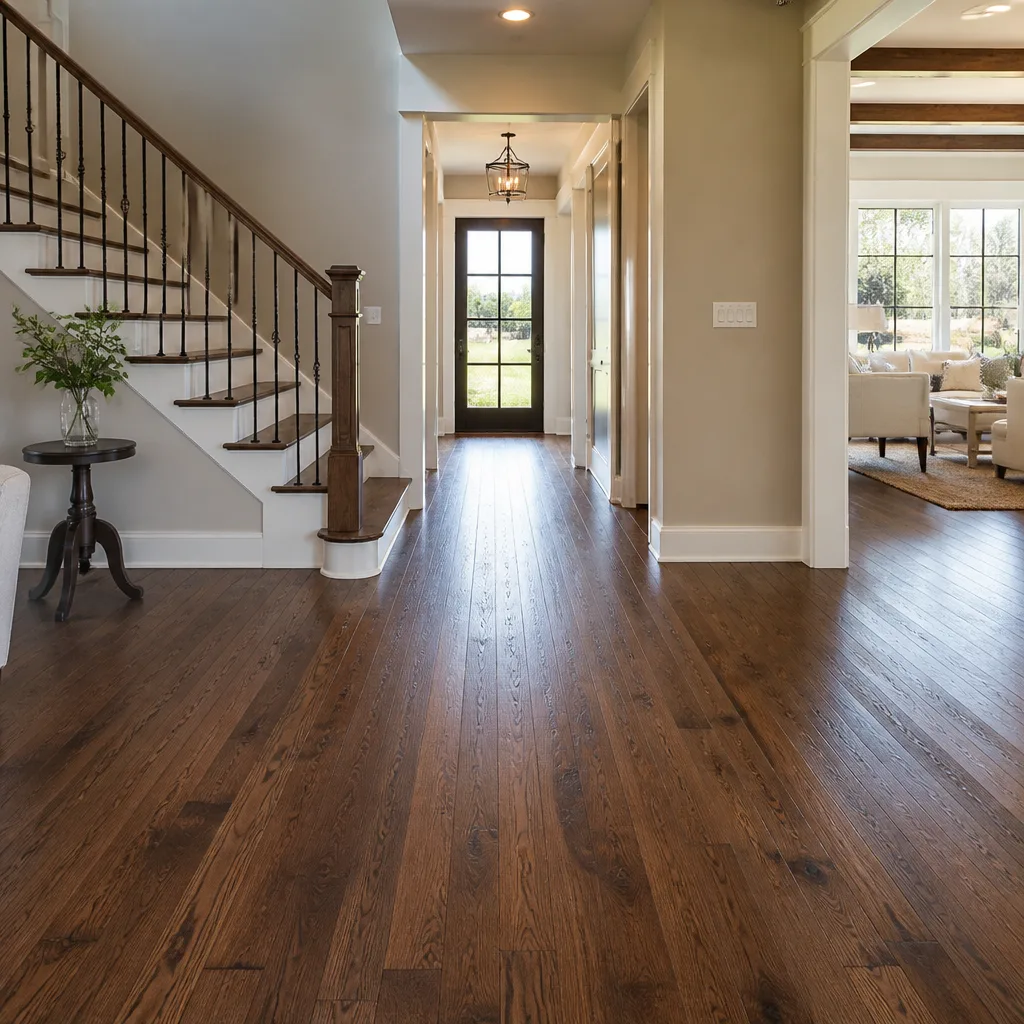 Hardwood
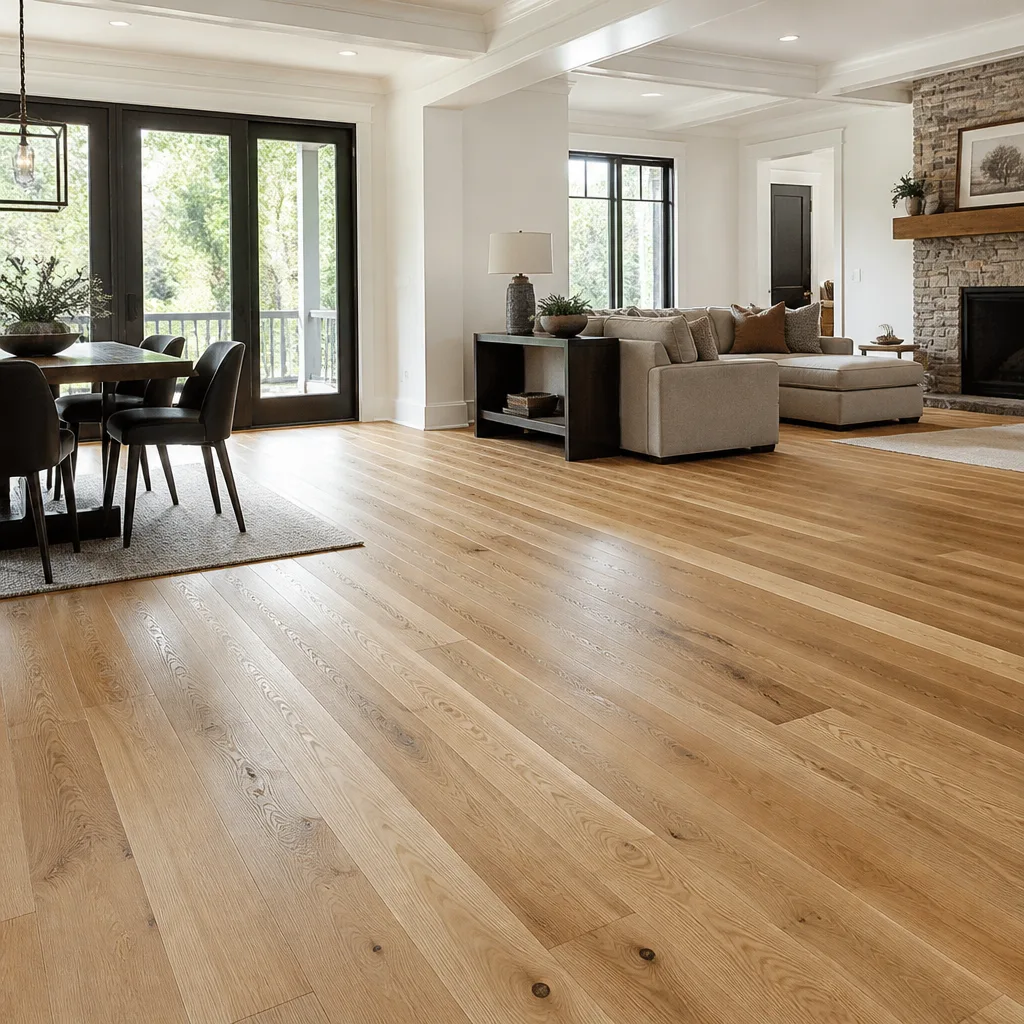 Engineered hardwood
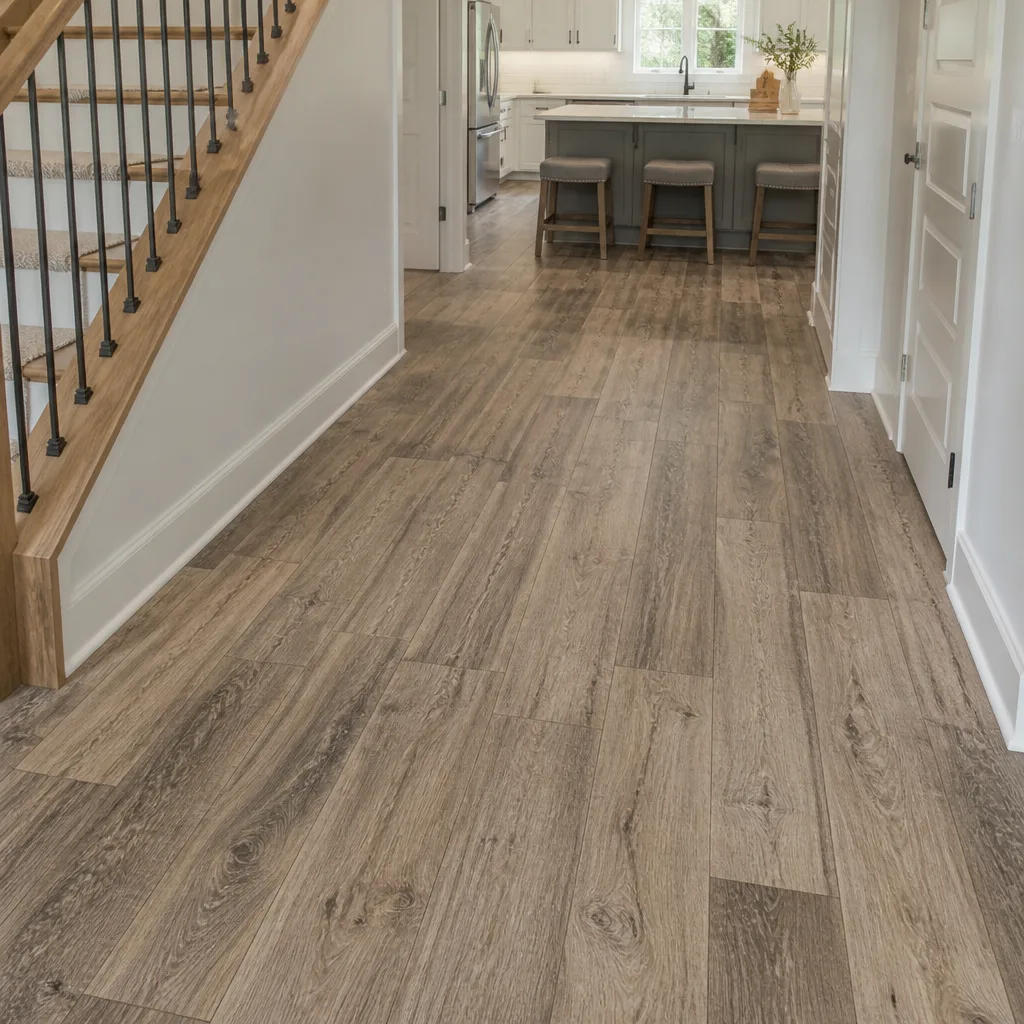
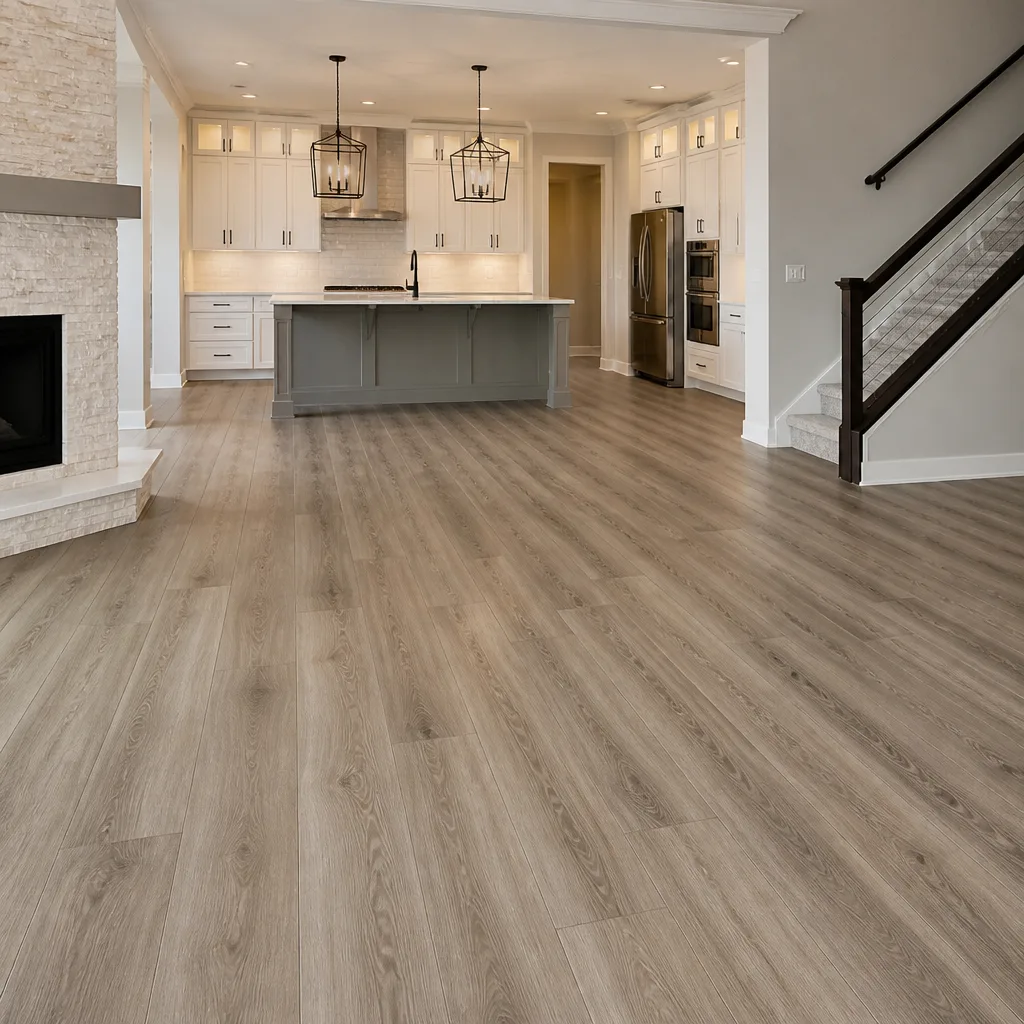 Luxury vinyl plank
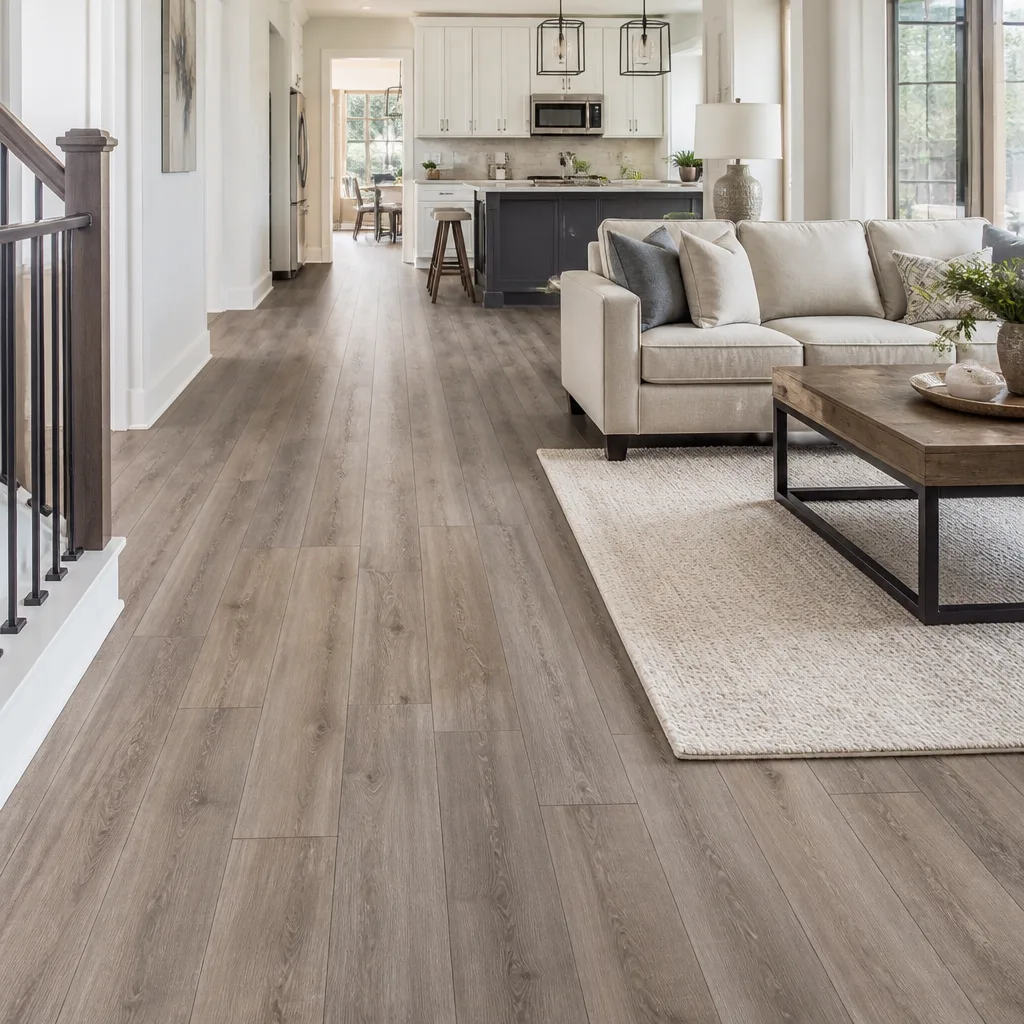 Laminate
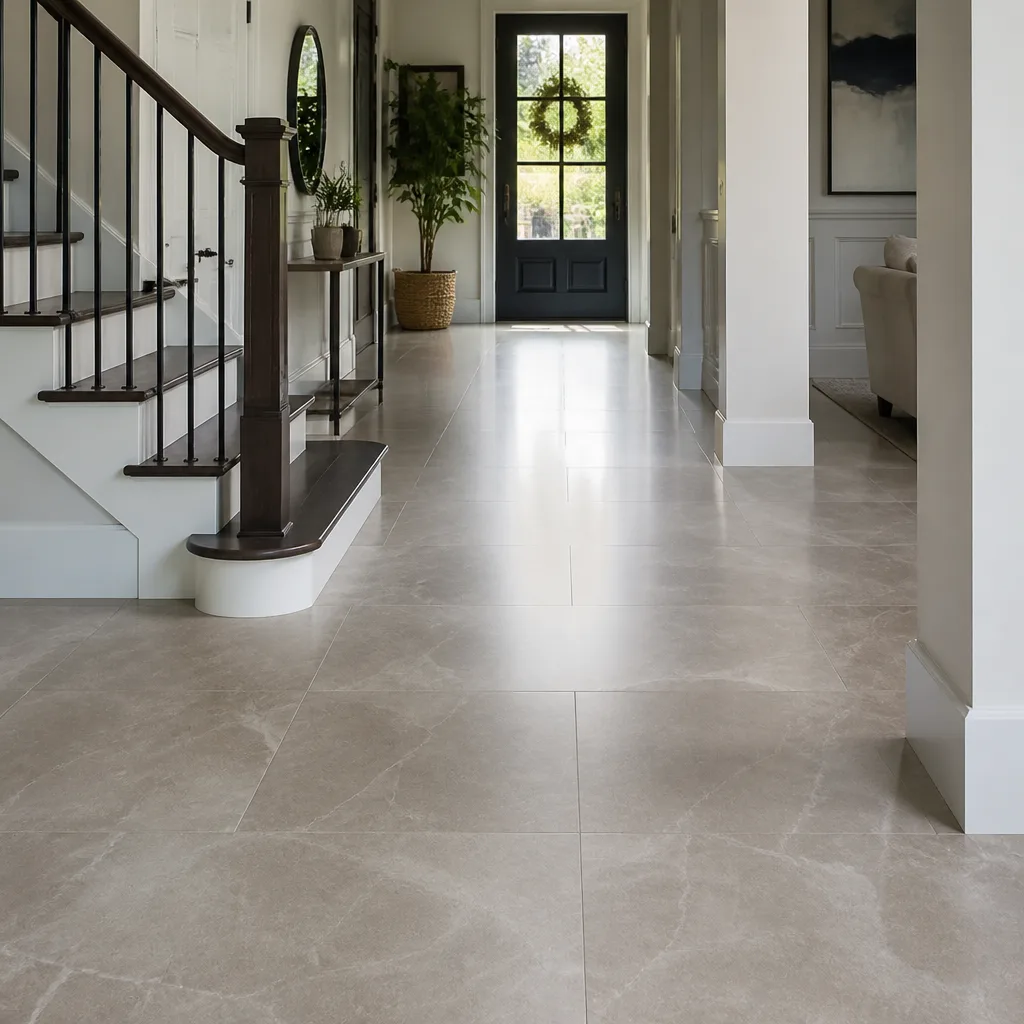 Porcelain tile
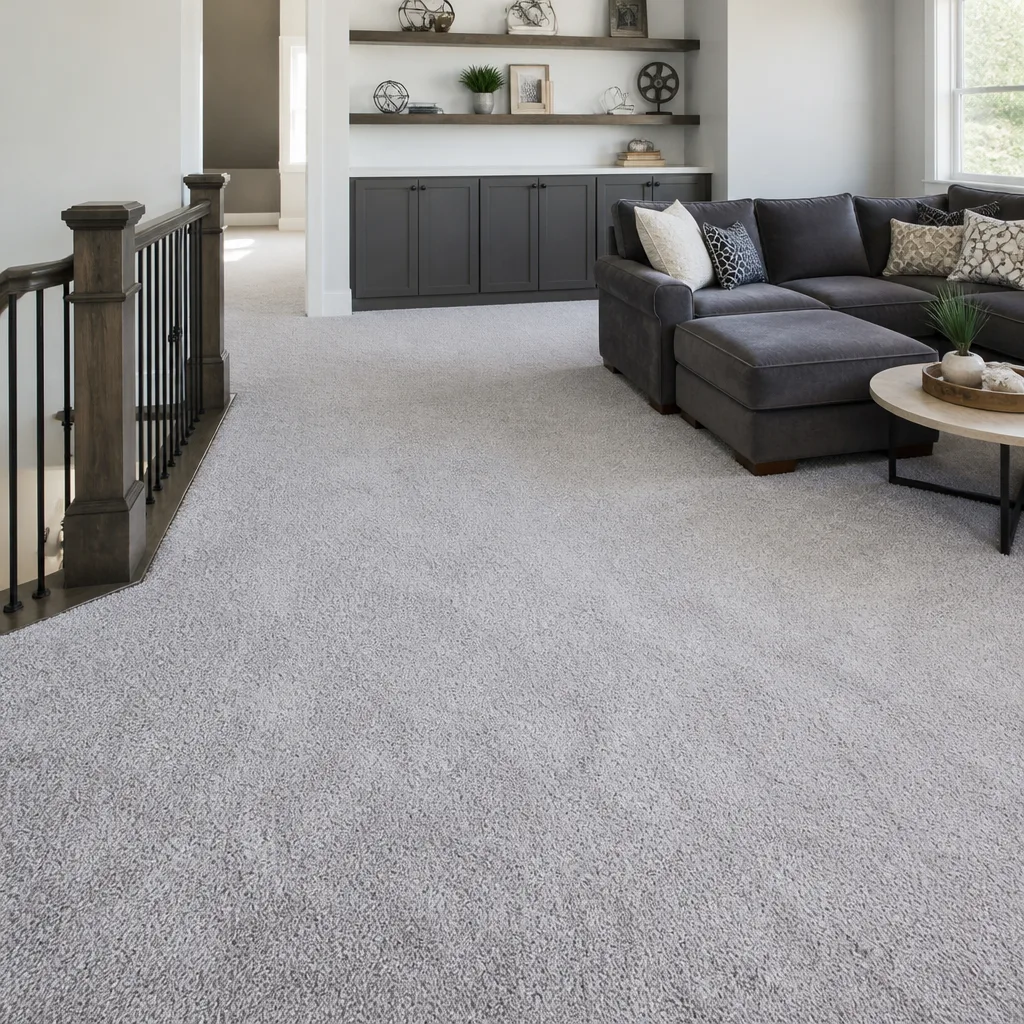 Carpet
 Shaw
 Mohawk
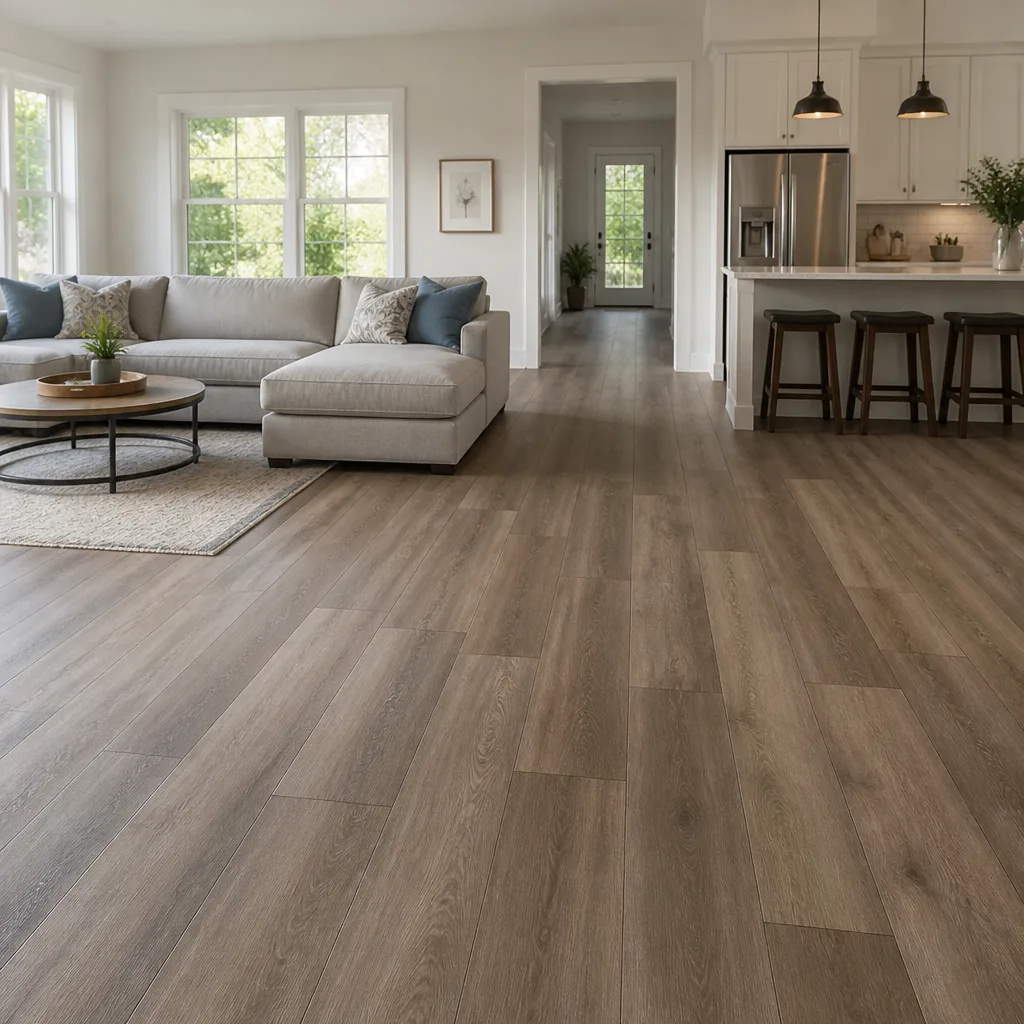 COREtec
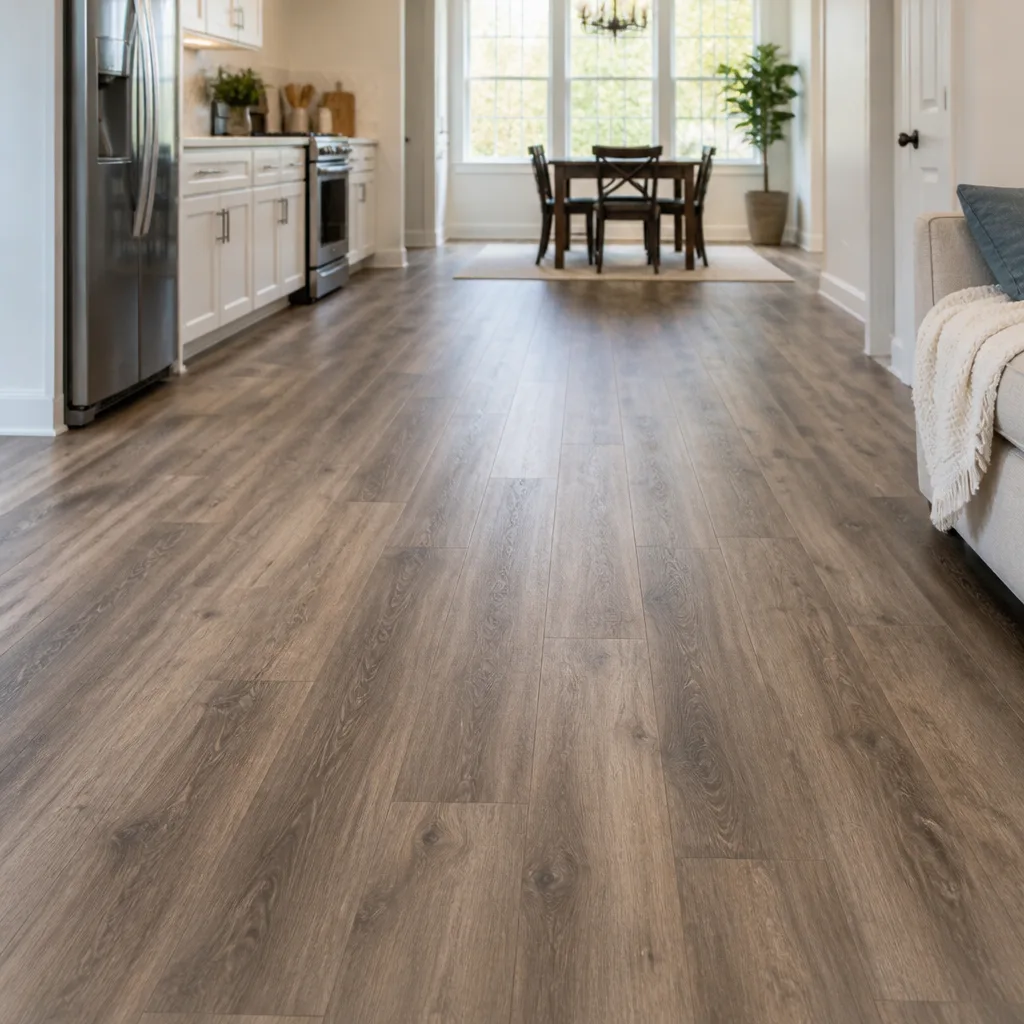 Pergo
Free in-home measure and written estimate: Shaw, Mohawk, COREtec and Pergo lines compared on your own rooms, with carpet, tile, vinyl plank, laminate and hardwood laid out side by side
Get your free estimateFlooring Cost Breakdown: The Boulder City Homeowner’s Reference for 2026
Most flooring cost guides hand you a range so wide it’s useless. Three dollars to twenty-two dollars per square foot tells you nothing about what your floor will actually cost. Here’s the part almost no guide mentions: the biggest variable on a Boulder City flooring job usually isn’t the material you pick. It’s what the installer finds under your existing floor. Subfloor repairs alone can add $500 to $2,000 to a mid-size project, and that number appears on very few estimates until the old floor comes up. This reference walks you through realistic 2026 installed costs by category, the five cost drivers that have nothing to do with the product, and how to read a quote line by line so two bids that look identical stop looking identical.
Quick Answer
Installed flooring costs in Boulder City in 2026 typically run $4 to $9 per square foot for carpet, $6 to $14 for luxury vinyl and laminate, $8 to $18 for tile, and $10 to $22 for solid or engineered hardwood, with labor included. Hardwood refinishing usually lands between $4 and $8 per square foot and often costs less than full replacement. The written estimate you receive after an in-home measure sets the final price, and those five non-material cost drivers are what move it most.
Styles & brands we work with
- Hardwood
- Engineered hardwood
- Luxury vinyl plank
- Laminate
- Porcelain tile
- Carpet
- Shaw
- Mohawk
- COREtec
- Pergo
Table of Contents
- What flooring costs by category in Boulder City
- The five cost drivers that have nothing to do with the product
- Why the subfloor decides your final number
- Refinish or replace? The breakeven math
- How to read a flooring quote line by line
- Where spending more pays off and where it’s purely cosmetic
- How the desert climate and local housing shape your costs
- Common mistakes to avoid
What flooring costs by category in Boulder City
Installed cost means material plus labor, and it’s the only number worth comparing. The ranges below reflect what we see across Boulder City projects in 2026, from single-room refreshes to whole-home replacements. National averages tend to run lower because they don’t account for the small-market labor pool and the older housing stock that define much of this town.
| Category | Installed cost per sq ft | Typical lifespan consideration |
|---|---|---|
| Carpet | $4 – $9 | Softest underfoot; replace more often in high traffic |
| Luxury vinyl (COREtec, Karndean) | $6 – $13 | Water-resistant to spills; handles pets and moisture well |
| Laminate (Pergo, LifeProof) | $5 – $11 | Water-resistant surface; below-grade moisture still matters |
| Tile (Daltile) | $8 – $18 | Long-lived in wet rooms; layout and substrate add labor |
| Engineered hardwood | $9 – $17 | May allow a light refinish depending on wear layer |
| Solid hardwood | $10 – $22 | Refinishable; job-specific depending on thickness and condition |
| Hardwood refinishing | $4 – $8 | Cost driven by square footage and board condition |
A quick note on materials. Luxury vinyl from COREtec and Karndean sits at the designer and commercial-proven end of the category. Laminate from Pergo and LifeProof is the water-resistant workhorse many pet owners ask about. Carpet from Shaw and Mohawk covers both entry-level and mid-tier budgets. Tile from Daltile gives us professional-grade product to work with on bathrooms, entries, and kitchens.
These are room-by-room estimates, not per-foot pricing pulled from a national chart. The only way to know your actual number is a free in-home measure, which is why Boulder City Flooring starts every project there.
The five cost drivers that have nothing to do with the product
If you compare two flooring bids and one is 40% higher, the gap usually isn’t in the material line. It’s in the labor scope. Here are the five variables we see move Boulder City quotes most often, in rough order of impact.
- Subfloor condition. Soft spots, old adhesive, uneven slab, or a failed underlayment all get discovered after demo. Prep work can add a few hundred dollars to a mid-size room or run past $2,000 on a whole-home job if the slab needs flattening or a wood subfloor needs repair.
- Room shape complexity. A rectangular bedroom is straightforward. A kitchen island, a bay window, an angled hallway, or a bathroom with plumbing stub-outs means more cuts and more time. Complex cuts are skilled labor, and they show up on the quote.
- Furniture moving. Many quotes assume the room is empty. If it isn’t, moving furniture, disconnecting a washer, or pulling a toilet adds cost. It’s a fair charge either way, but it needs to be on the bid so you can compare apples to apples.
- Stair nosing and transitions. Stair treads and risers are charged per step rather than per square foot because each step is its own small finish job. Transitions between rooms or between materials get priced per piece.
- Disposal of the old floor. Old carpet, tile, and sheet vinyl have to be torn out, hauled, and disposed of. That’s labor plus a dump fee. Some bids include it, some leave it as an add-on, and some quietly leave it off to make the number look better.
None of these are upsells. They’re the physical reality of the house. What matters is that every one of them is described and priced on your written estimate before work begins.
Why the subfloor decides your final number
The subfloor is the layer under the floor you see, and it’s the single biggest wildcard on a Boulder City project. Older homes around town often sit on a slab that has settled unevenly, or on a wood subfloor that has been patched over the years. Both can require work before any new material goes down.
Here’s what the estimate visit should be checking for:
- Flatness across the whole room, not just the center. A floor can feel fine underfoot and still be out of tolerance for a rigid product like tile or laminate.
- Moisture coming from the slab. Desert ground still transmits moisture. Any flooring decision needs to account for it, and the required prep depends on the product and the home.
- Old adhesive or thinset left behind after demo. Scraping it off is real labor, and it’s the prep step that surprises people most.
- Soft spots or squeaks under a wood subfloor, which usually means the subfloor itself needs repair before the new material.
For a bathroom or kitchen tile project, proper substrate prep isn’t optional. It’s the foundation. A tile flooring installation that skips that step is a tile floor waiting to crack. This is the part of the job we spend the most time explaining at estimates, because it’s where a “reasonable” quote becomes a real one.
The best protection you have is a written estimate that separates material, labor, and prep, and states that any additional subfloor repair found mid-job will be priced before work continues.
Refinish or replace? The breakeven math
If you already have hardwood in good enough condition to refinish, the math usually favors refinishing. New solid hardwood at $10 to $22 per square foot versus refinishing at $4 to $8 gives you a meaningful gap. On a 400-square-foot room, that’s often several thousand dollars of difference in the finished result.
Refinishing doesn’t always work though, and any honest estimate will say so after looking. It depends on:
- The thickness of the wood. Solid hardwood has a top layer that can only be sanded down so far before it’s gone. Once it’s been refinished a few times, there may not be enough left to do it again.
- Condition of the boards, not just the surface. Deep stains, cupping, or a floor that’s already thin from prior sandings changes the answer.
- Whether the existing floor is solid or engineered. Some engineered floors can take a light refinish; most can’t. It has to be judged on the actual floor in your home.
- The look you actually want. A stain change or a different sheen is a legitimate reason to refinish rather than replace.
Refinishing also has an advantage beyond dollars. You keep the original floor, which in a Boulder City home often means keeping a character feature that new flooring would have to fake. We offer hardwood floor refinishing alongside new installation because we don’t want a customer to have to choose between restoring one part of the house and replacing another. Whether refinishing is viable for your floor is checked at the estimate visit, and the answer depends on how much wood is left.
How to read a flooring quote line by line
Two bids can look identical on the bottom line and be wildly different in what they cover. Here’s the method we walk every Boulder City customer through before they compare.
- Find the square footage. Is it measured or estimated? A quote based on an estimate is a placeholder, not a price. If the rooms aren’t measured, ask why.
- Separate material and labor. If they’re bundled into a single line, you can’t tell which is driving the number, and you can’t compare the two bids fairly.
- Look for the demo and disposal line. Tear-out of the old floor and disposal should appear explicitly. If it doesn’t, it’s either not included or hidden, and either one is a problem.
- Check that prep is itemized. Subfloor leveling, patching, adhesive removal, and underlayment should each be listed or described as included.
- Confirm what’s in the material line. Underlayment, trim, adhesives, grout, and transition strips all belong somewhere. Ask if unspecified.
- Read the “exclusions” and “change order” section. Any prep or repair found after demo needs to be priced before work continues, not just billed at the end.
- Check the warranty language. Manufacturer warranties depend on the product and the installation. Ask what’s covered and what voids it.
A quote that lets you answer all seven is comparable. A quote that skips two or three is a starting point, not a price. This is where the Boulder City market rewards the homeowner who asks good questions before signing.
Where spending more pays off and where it’s purely cosmetic
Upgrading every material on the job is a budget decision, not a quality decision. Some upgrades return value, some are purely about how you live. Here’s our honest read on the Boulder City resale market.
Where the upgrade pays back:
- Kitchens and bathrooms. Tile from Daltile in a bathroom or kitchen entry is the upgrade buyers notice and appraisers register. It’s also the upgrade that lasts.
- High-traffic living areas. COREtec’s rigid core and Karndean’s commercial-proven vinyl are what you want in the rooms the whole house lives in. The extra cost is worth it.
- Restoring original hardwood. In a Boulder City home with real wood floors, refinishing instead of covering them up is generally the smarter move for both lifestyle and resale.
Where it’s mostly cosmetic:
- High-end carpet in low-traffic rooms. Shaw and Mohawk both make excellent mid-tier carpet that looks as good as the premium line in a guest bedroom. Save the upgrade for the family room.
- Exotic or specialty hardwood. Beautiful and worth it if you love it. Don’t buy it expecting the resale to justify it.
- Designer tile layouts in rooms no one sees. Patterned layouts cost more in labor and add visual interest. In a laundry room, that labor is mostly for you, and that’s fine if you’re buying it for that reason.
The right floor is the one that fits how you actually live. We don’t steer a customer toward a specific brand because we only carry one. We carry nine across carpet, tile, and hardwood because most homes need more than one of them. Carpet installation in the bedrooms and tile in the baths is a common combination, and doing them with one contractor keeps the schedule and the accountability in one place.
How the desert climate and local housing shape your costs
Boulder City is dry, hot, and full of homes that were built in different decades under different assumptions. That combination affects flooring cost in ways that national cost charts don’t reflect.
Dry air causes gaps and separation. Wood and laminate move with the seasons. A floor that was installed without accommodation for that movement will show gaps at the seams by summer. A proper acclimation period is part of the schedule, and the product instructions and the written estimate set how long it needs.
Monsoon season is a seasonal reality. Late-summer storms and the occasional plumbing leak mean water damage happens here, and it usually hits the floors first. If any of your rooms have been through a water event, tell the estimator. Product selection and prep change accordingly.
Housing stock varies widely. Boulder City has homes from multiple building eras. That means slab-on-grade with original tile, raised foundations with original hardwood, and mid-century homes that were remodeled once and not again. A flooring estimator who works in this town regularly will have seen all of it. If the estimator doesn’t ask about the age of the house and what’s currently under the floor, that’s a signal.
Stair-heavy homes are common. Many two-story floor plans in town have a full staircase in the middle of the job. Stair nosing, tread layouts, and the transition at the top and bottom add real labor. Get those priced explicitly.
Common Mistakes to Avoid
- Choosing the material before seeing what’s under the floor. The product you fall in love with may not suit the subfloor you have. Have the subfloor checked first, then select.
- Comparing bids on the bottom line only. A lower total usually means a shorter scope, not a better price. Compare line by line, not total to total.
- Skipping the free in-home measure. A phone quote is a guess, and a guess based on your room dimensions can miss by hundreds of dollars on prep and transitions. The measure is free, and it’s the whole point.
- Forgetting to plan for acclimation. Rigid products and wood need time in your home before installation. The schedule is set at the estimate, and the product instructions govern it. Plan around it.
- Assuming all engineered wood can be refinished later. Some can, some can’t. Confirm on the specific product before you buy it for the refinish.
- Underestimating bathroom and kitchen prep. Water-prone rooms need proper substrate work, and a tile job that skipped it is a redo waiting to happen.
- Not asking who handles disposal. Old flooring has to go somewhere. If nobody’s named it, it’s probably you.
See the difference
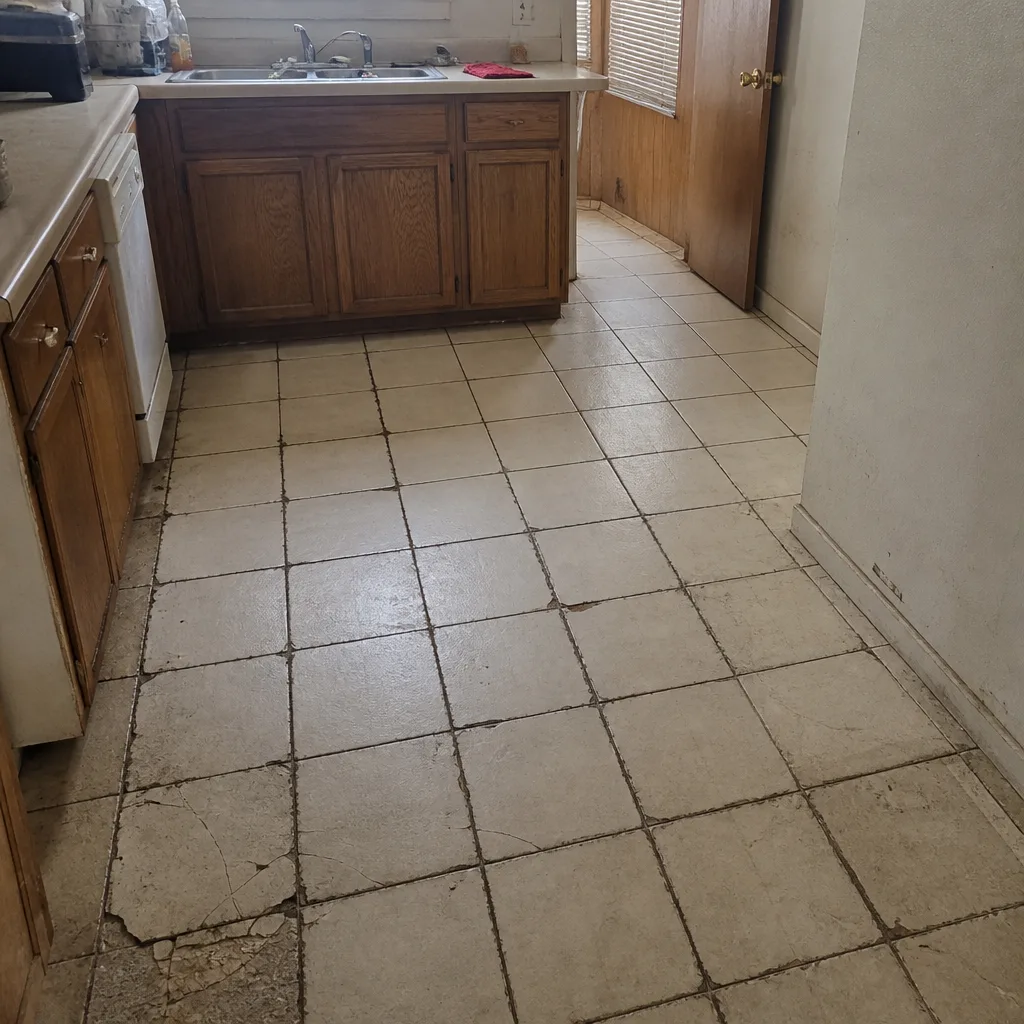 Before
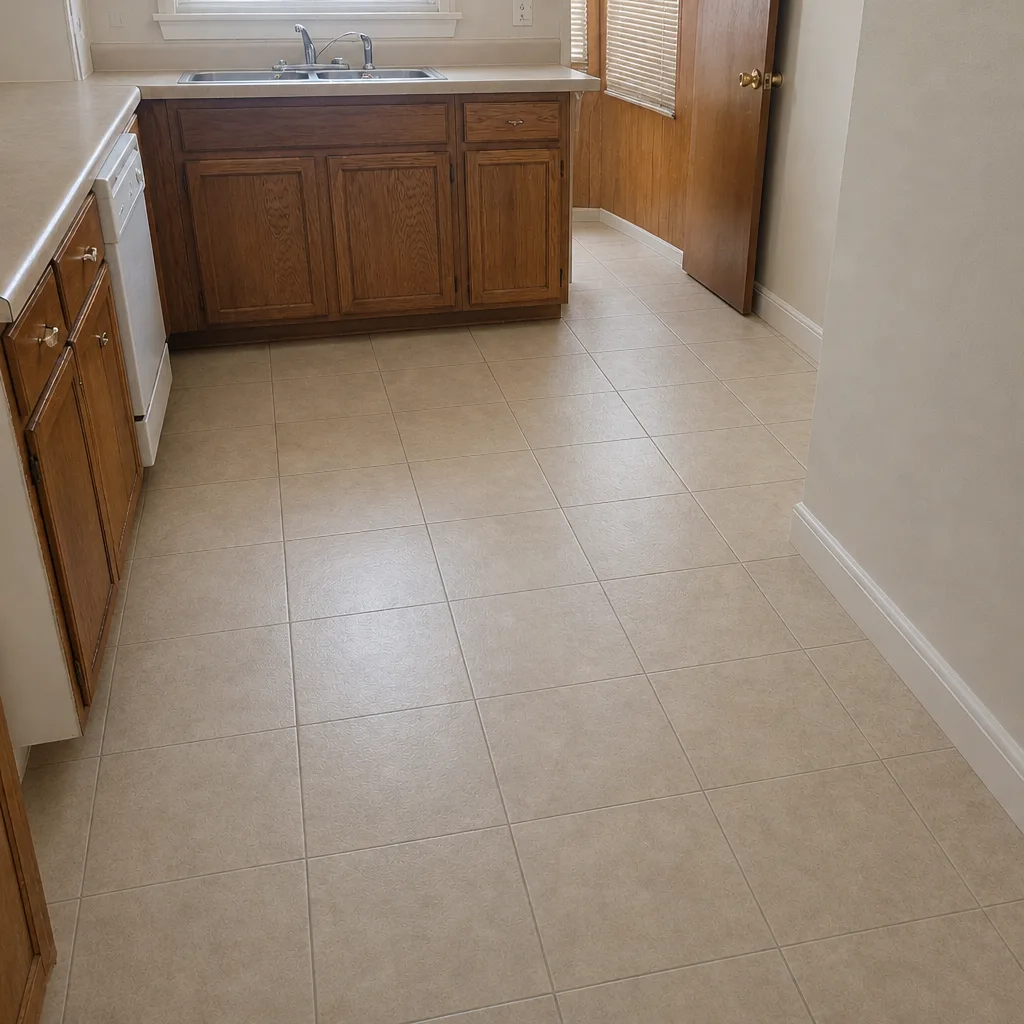 After
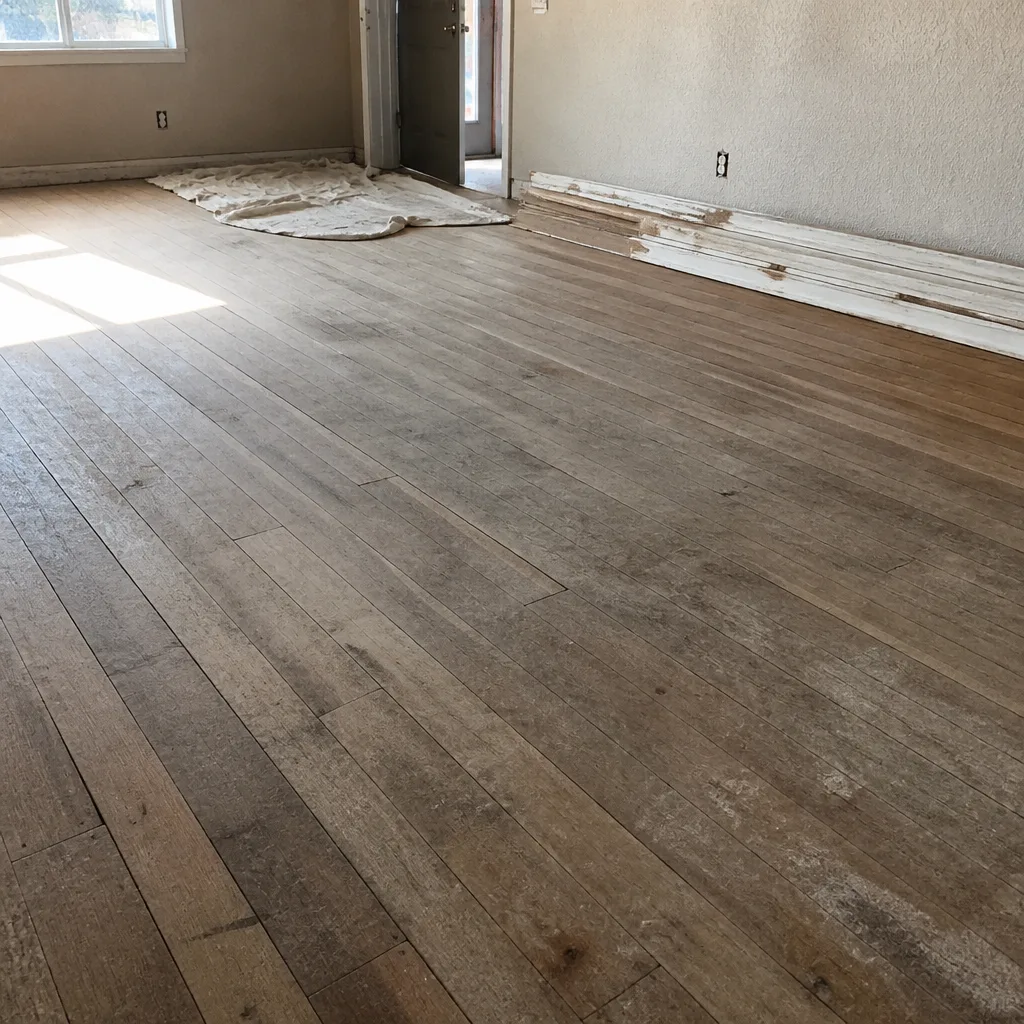 Before
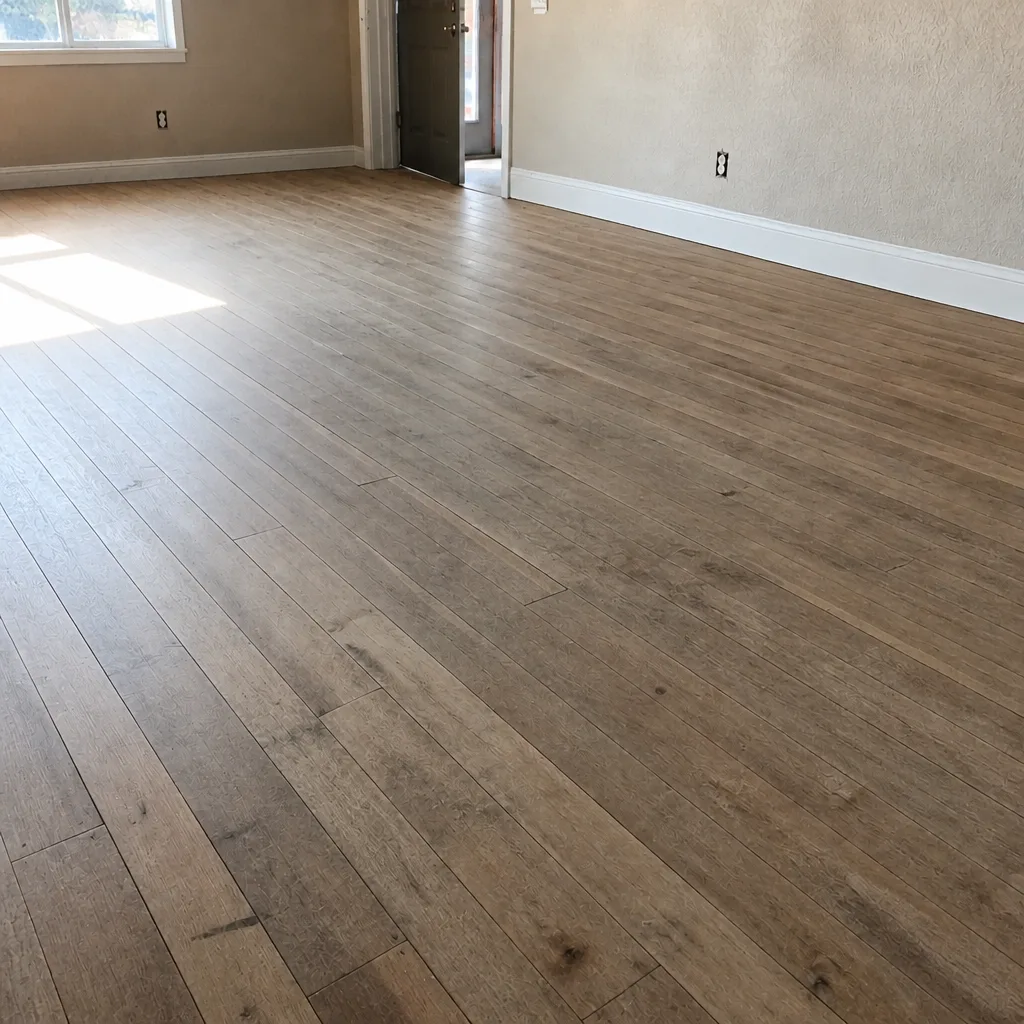 After
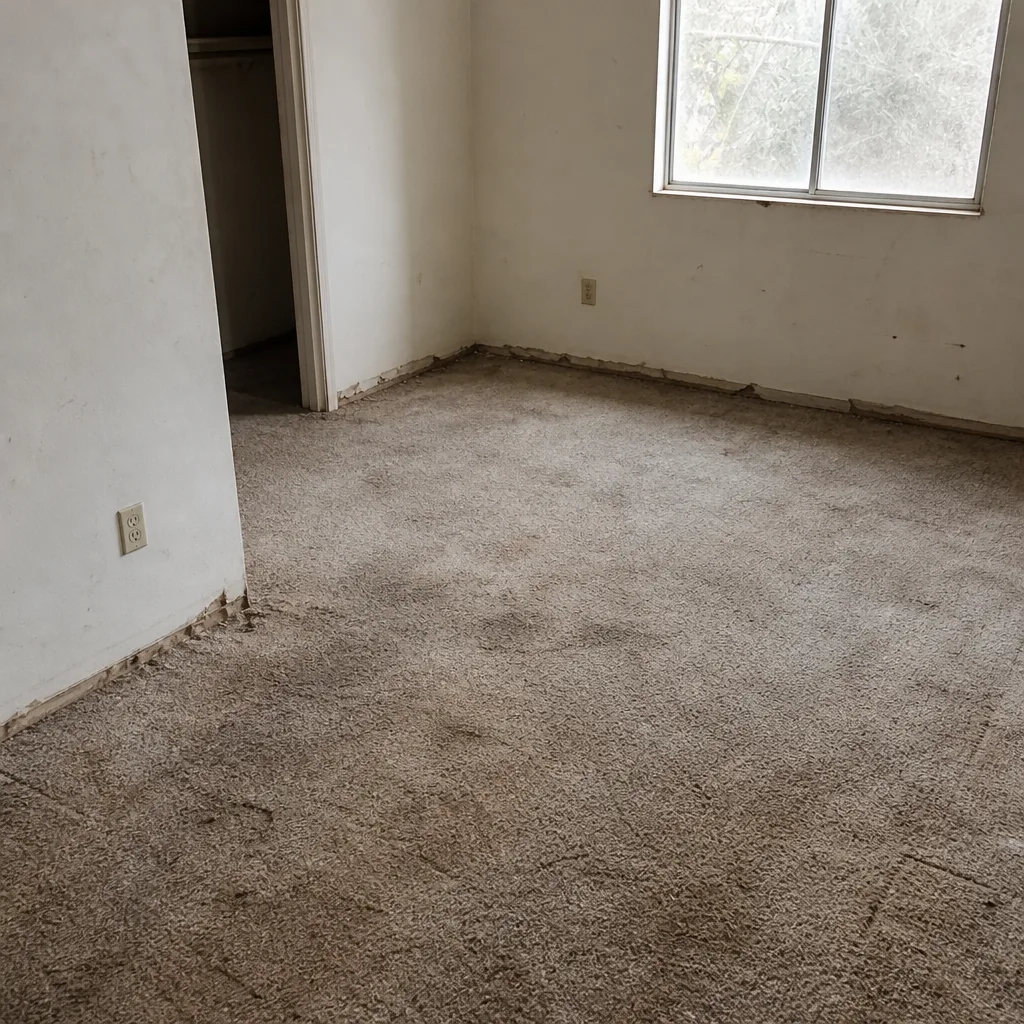 Before
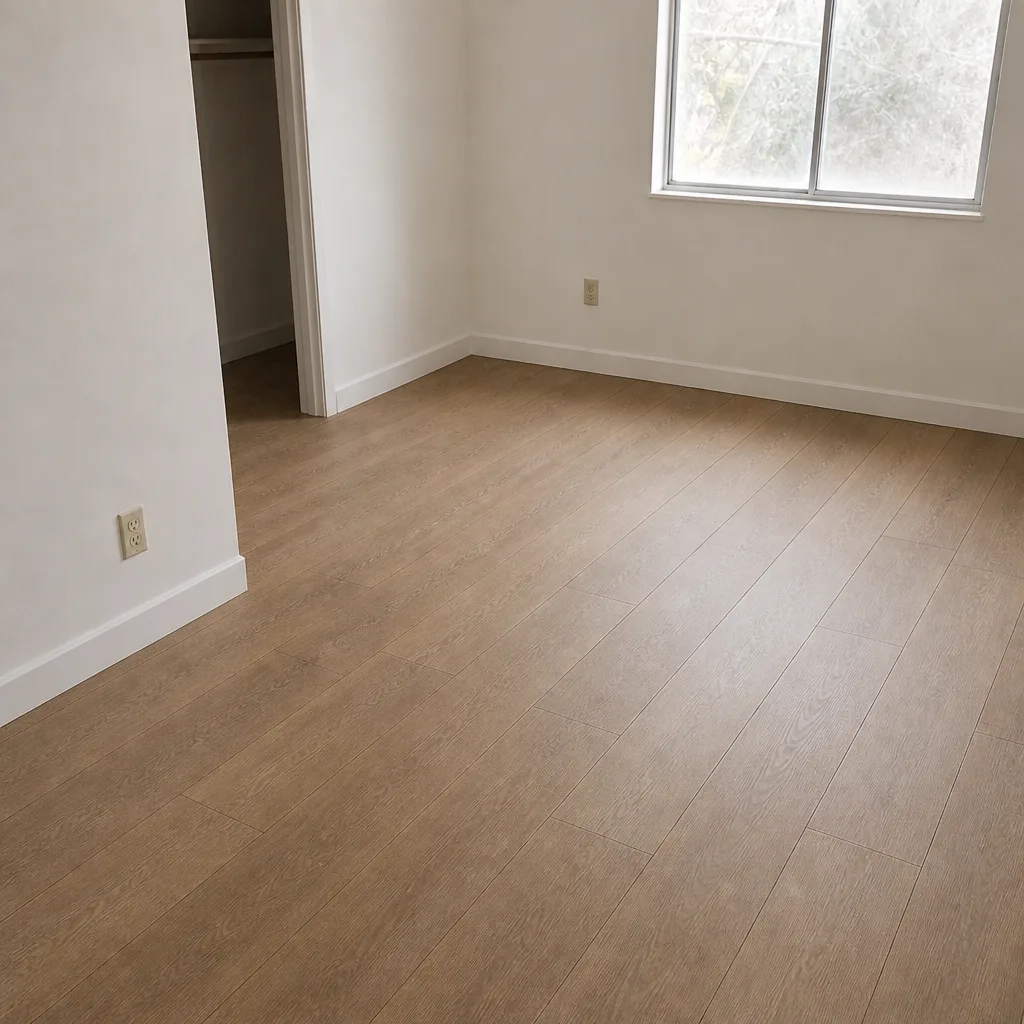 After
When to Call a Professional
Most flooring decisions are worth getting an expert opinion on before you spend money, and a few genuinely require one. If your home has a suspected moisture issue coming up through the slab or from a past leak, an estimator needs to see it before any product is chosen. If you’re weighing refinishing versus replacement on existing hardwood, only an in-person look can tell you whether there’s enough wood left to sand. Whole-home projects that mix restoration with new material, or that span carpet, tile, and hardwood, are the ones where a single-source contractor saves the most trouble. And any subfloor that’s uneven, soft, or has been covered for decades should be checked before the new floor goes down. Boulder City Flooring offers free estimates in Boulder City. Call (844) 560-5320. We answer 24/7, and dispatch runs from 7am to 7pm, Sunday through Friday.
Frequently Asked Questions
Installed flooring in Boulder City typically runs $4 to $9 per square foot for carpet, $6 to $14 for luxury vinyl and laminate, $8 to $18 for tile, and $10 to $22 for hardwood, material and labor included. Subfloor prep, stair work, and disposal can add to those numbers depending on the home. Call (844) 560-5320 for an exact quote; estimates are free and the written estimate sets the final price.
Usually yes. Refinishing typically runs $4 to $8 per square foot versus $10 to $22 for new solid hardwood, so the savings add up quickly on a large room. Whether your floor can be refinished depends on how much wood is left after prior sandings and the condition of the boards. Call (844) 560-5320 to schedule a free estimate and have the floor evaluated in person.
Subfloor repair is the biggest one. Uneven slabs, old adhesive, and soft wood subfloors get discovered after demo, and that work can add $500 to $2,000 to a mid-size project depending on scope. A written estimate that itemizes prep is how you protect yourself. Call (844) 560-5320 and ask the estimator specifically what prep is included.
There’s no single answer because it depends on scope, product, room count, and prep. The schedule is set at the estimate after the measure, and the product instructions and written estimate govern how long the job takes. That’s why we measure first. Call (844) 560-5320 to schedule your free in-home measure and get a real schedule alongside your written price.
No. The estimate visit is a measure and an inspection, not a work day. Move furniture only when you’re ready for installation, and tell the estimator if you’ll need help with it so it’s on the quote. Call (844) 560-5320 to set up the estimate.
Water-resistant luxury vinyl from COREtec or Karndean and water-resistant laminate from LifeProof or Pergo are the common choices for pet-owner and high-moisture households. Standing water and moisture coming up from below still have to be addressed regardless of the product. Call (844) 560-5320 to talk through the right floor for how your household actually lives.
The Bottom Line
Flooring costs in Boulder City in 2026 are driven less by the material you choose and more by the house you’re putting it in. Subfloor condition, room complexity, furniture, stairs, and disposal move the number more than a step up in product tier does. Get a free in-home measure before you commit to anything, ask for a written estimate that itemizes prep, and compare bids line by line instead of total to total. If you already have hardwood worth saving, refinishing usually wins on cost. If you’re doing a whole-home project that mixes services, one contractor across carpet, tile, and hardwood keeps the scope honest. Call (844) 560-5320 for your free estimate. We answer 24/7, and fast dispatch from 7am to 7pm runs Sunday through Friday.
Written by the team at Boulder City Flooring.