
Last updated November 17, 2026
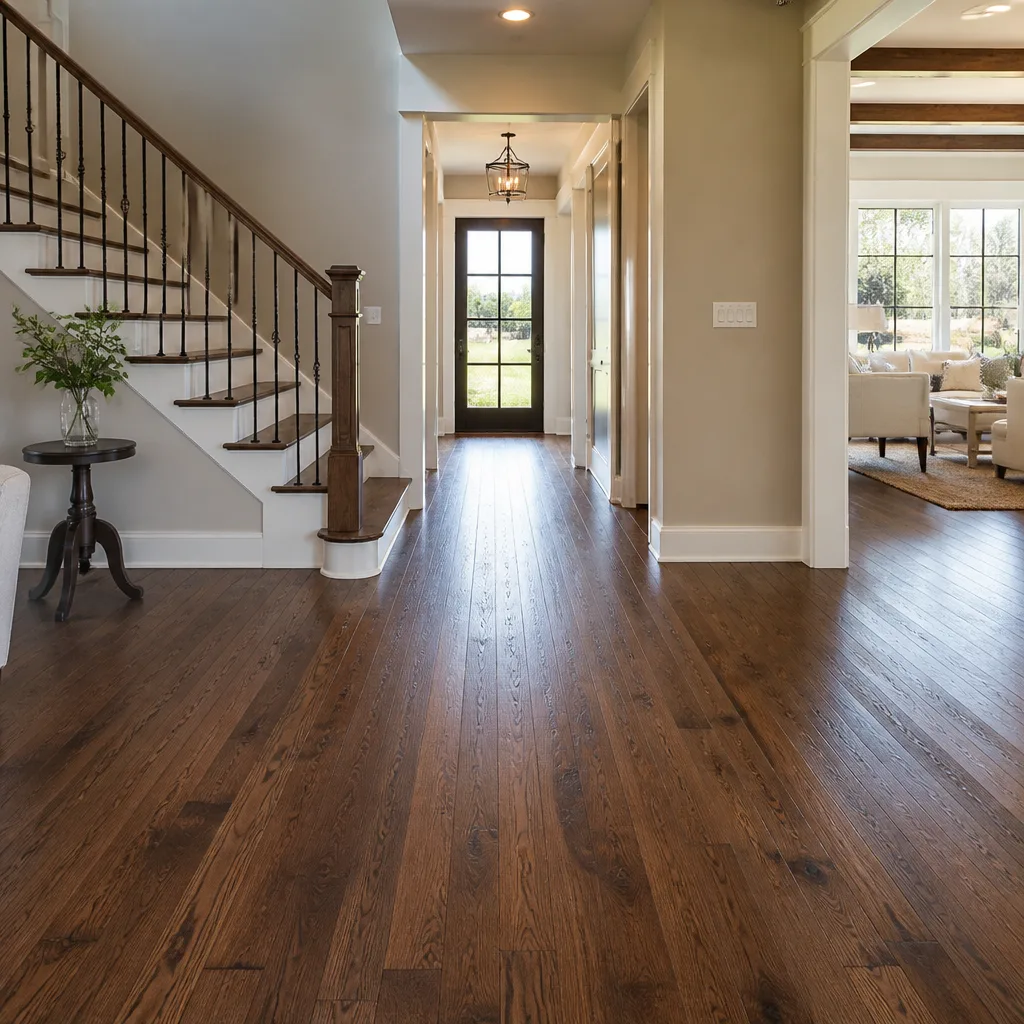 Hardwood
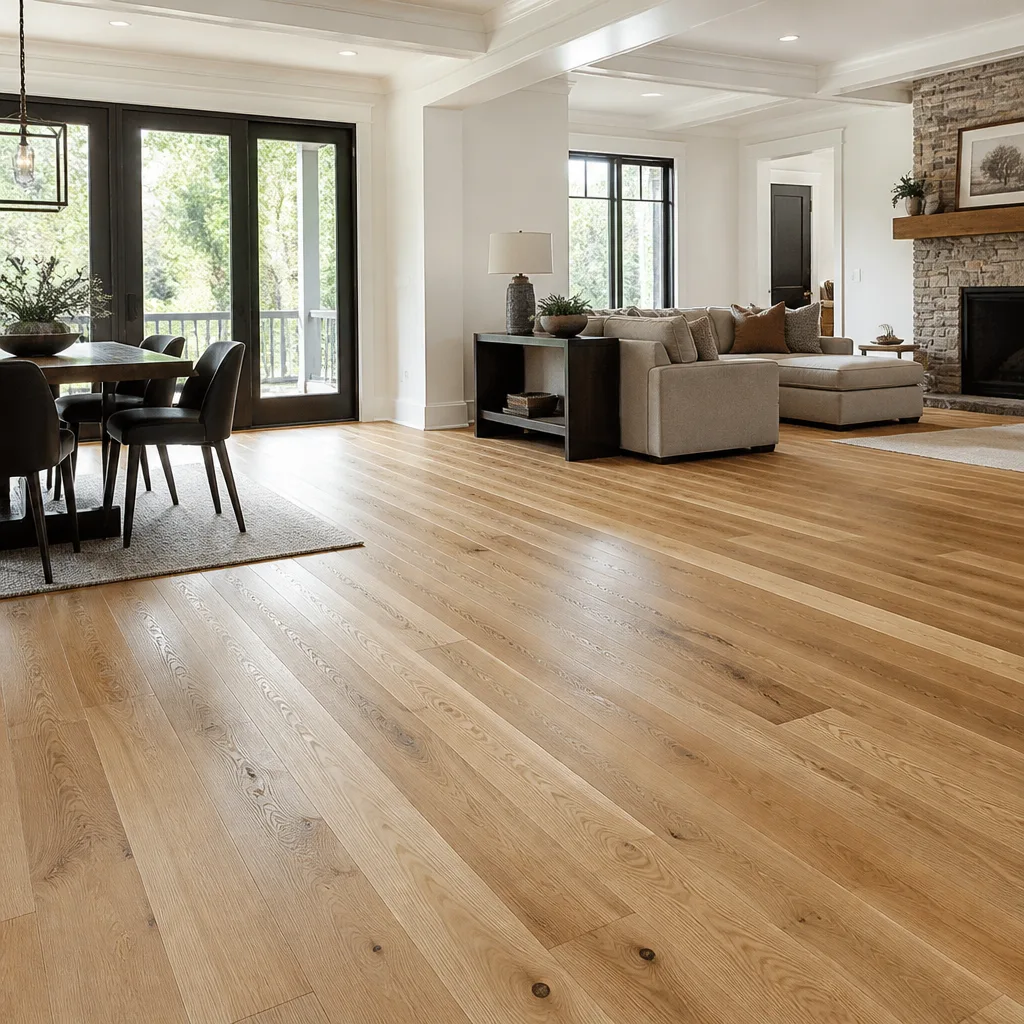 Engineered hardwood
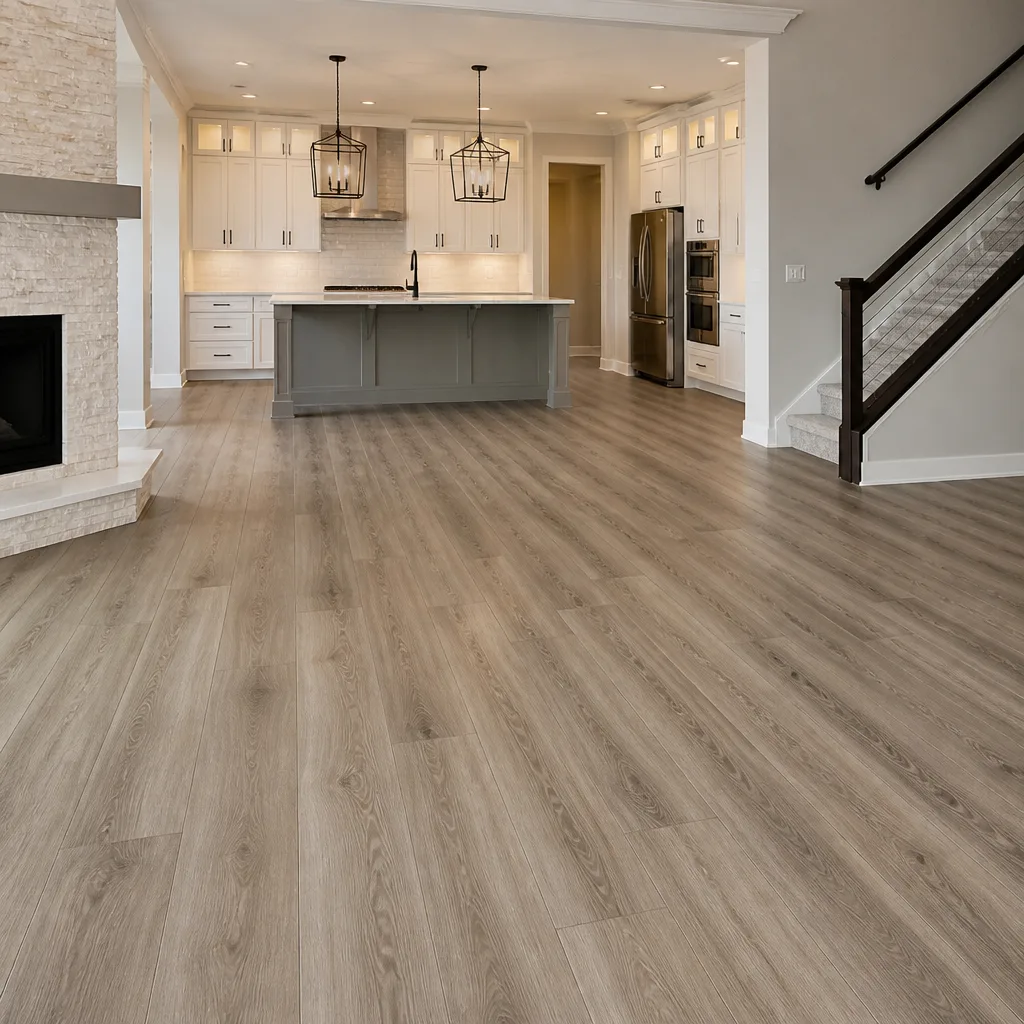 Luxury vinyl plank
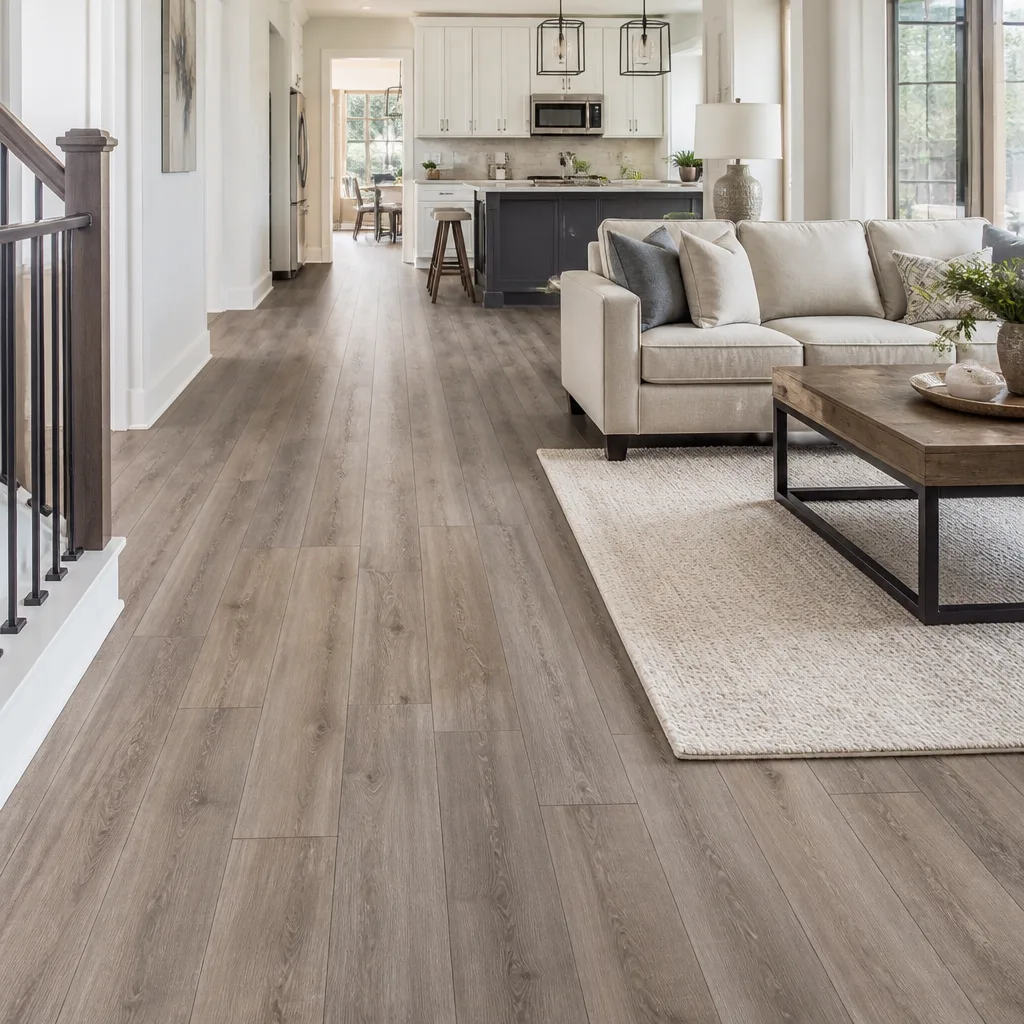 Laminate
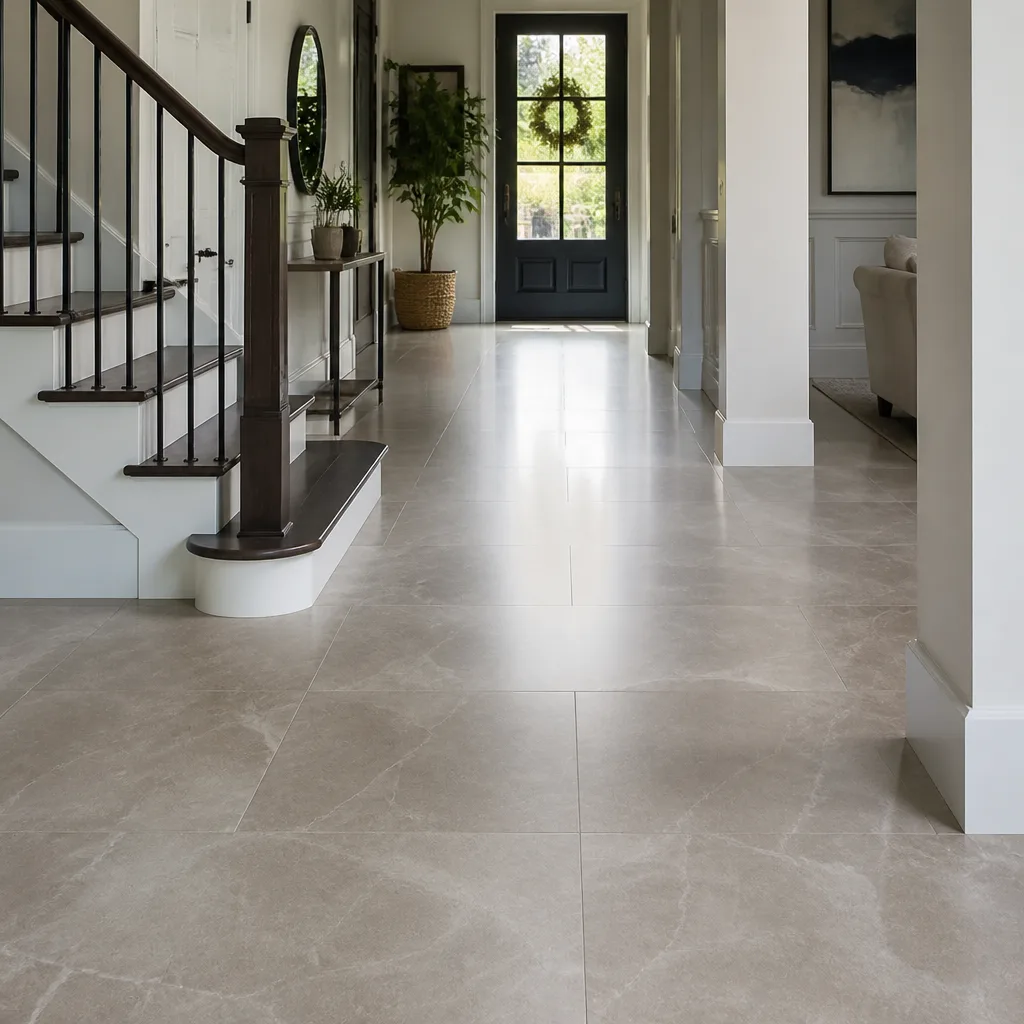 Porcelain tile
 Carpet
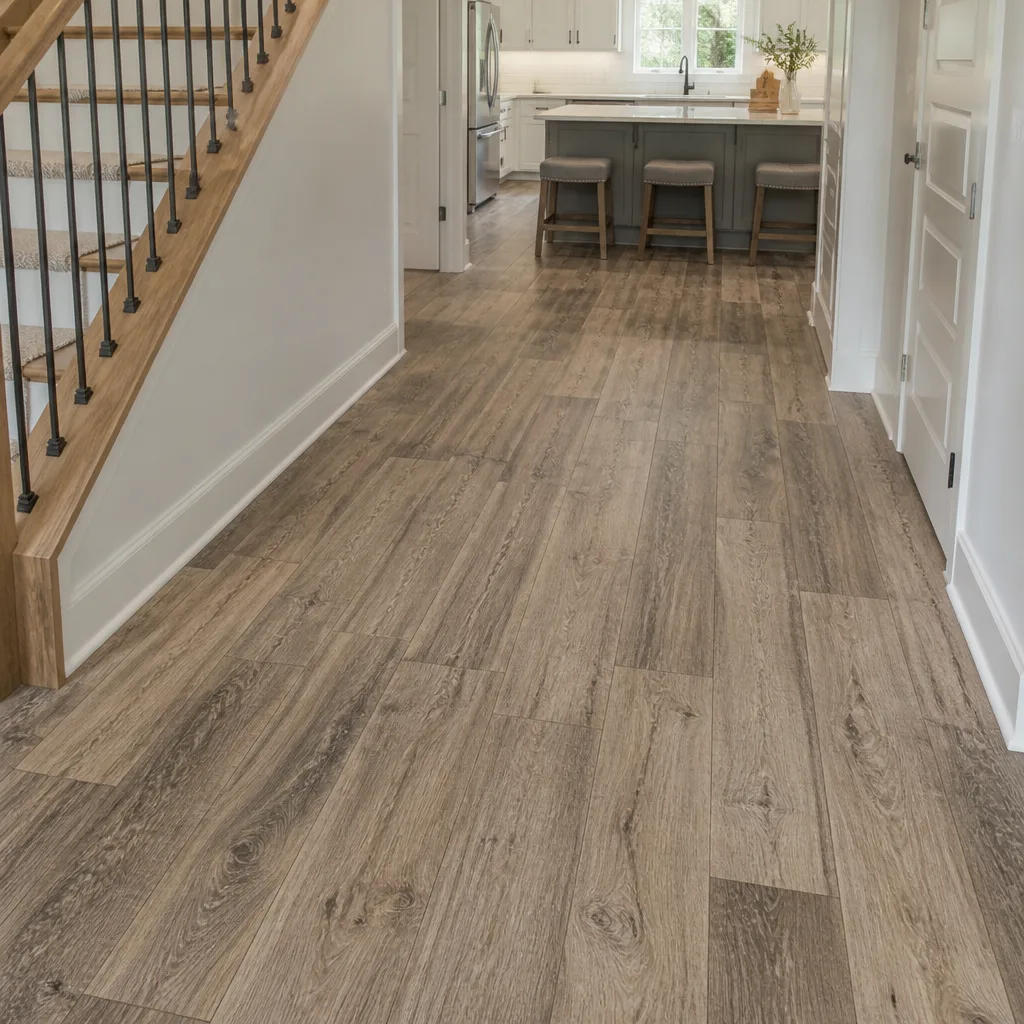 Shaw
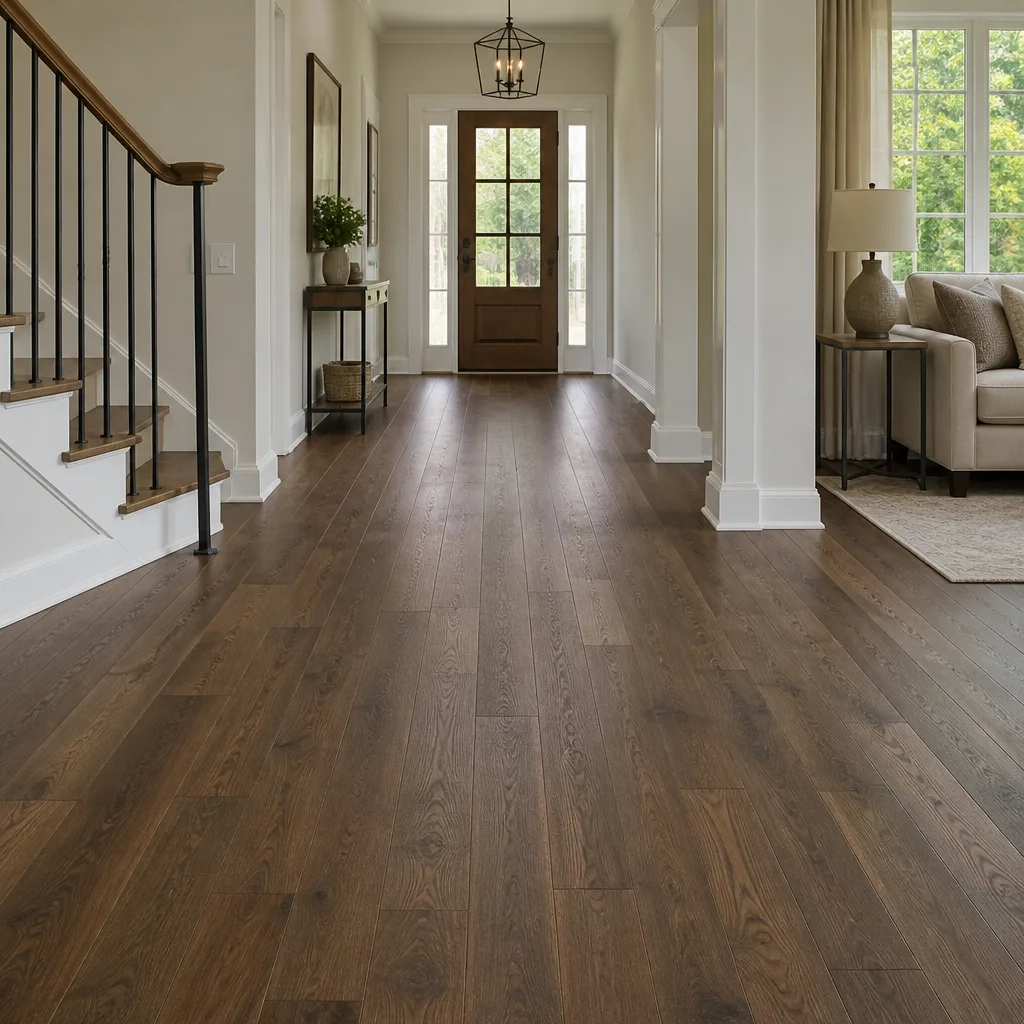 Mohawk
 COREtec
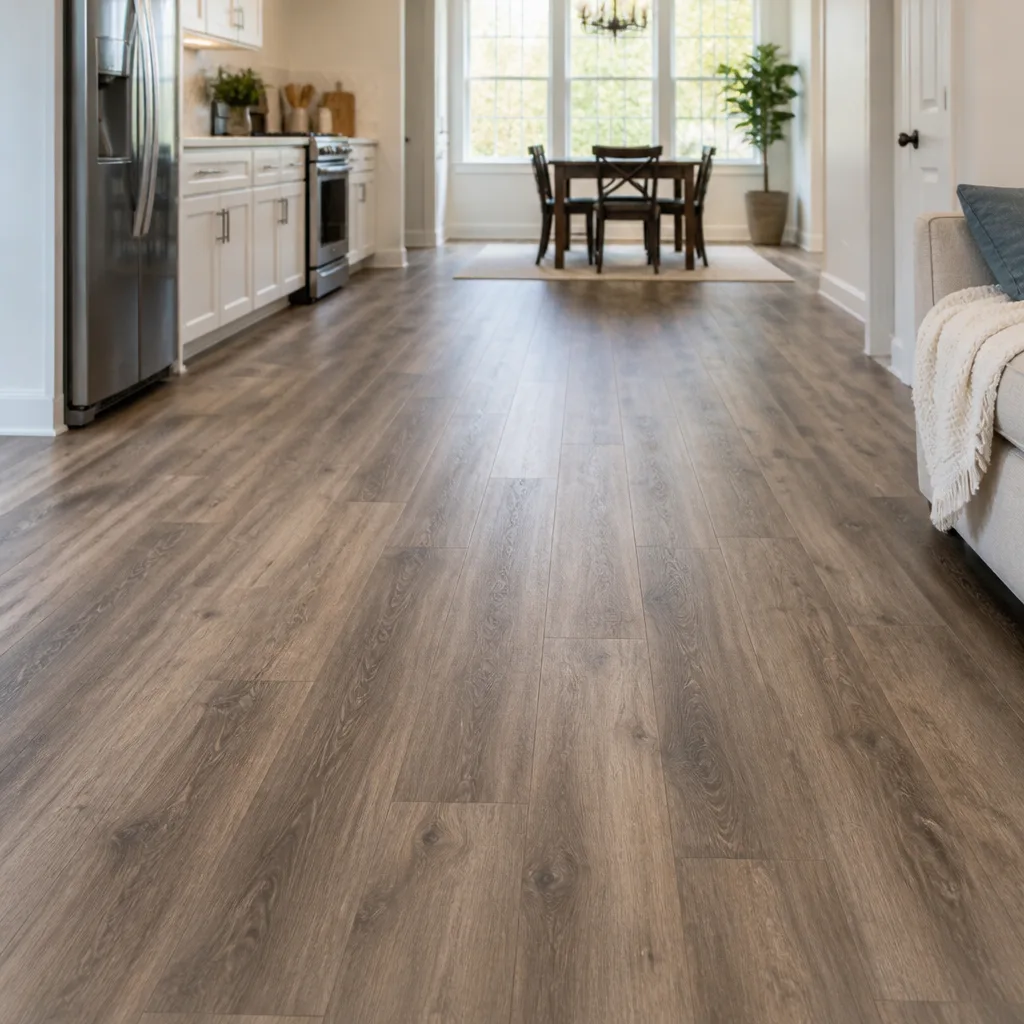 Pergo
Free in-home measure and written estimate: Shaw, Mohawk, COREtec and Pergo lines compared on your own rooms, with carpet, tile, vinyl plank, laminate and hardwood laid out side by side
Get your free estimateFix It or Start Over: Flooring Repair vs Replacement
Most homeowners assume damaged hardwood means replacement. The floor cups after a leak, a few boards are gouged, the finish has worn through in the hallway, and the conclusion feels obvious: tear it out and start over. But the assumption is often wrong, and most contractors won’t push back on it because replacement is the bigger job and the simpler conversation. Here’s the counterintuitive part. A full hardwood replacement typically runs $8 to $14 per square foot installed, while a professional sand-and-refinish often lands between $3 and $5. The decision isn’t about price alone, though. Choosing wrong in either direction costs you more than the difference: an unnecessary tear-out throws away sound material, and refinishing a floor that’s too thin or too water-damaged just delays the inevitable. This guide gives you a real framework for deciding, from three variables that actually determine the answer, to how Boulder City’s dry desert climate and resale market change the calculation.
Quick Answer
Repair or refinish when the wood still has enough thickness above the tongue, the subfloor is sound, and the damage is cosmetic or localized. Replace when the boards are too thin to sand again, the subfloor has structural damage, or water has compromised the joints deeply enough that refinishing won’t hold. In most cases, the deciding factor is the wear-layer test, not the price difference. A full replacement typically costs $8 to $14 per square foot installed, while a sand-and-refinish usually runs $3 to $5, so it pays to know which situation you’re in before you call anyone.
Styles & brands we work with
- Hardwood
- Engineered hardwood
- Luxury vinyl plank
- Laminate
- Porcelain tile
- Carpet
- Shaw
- Mohawk
- COREtec
- Pergo
Table of Contents
- The Wear-Layer Test: The Number That Decides Everything
- Why Water-Damaged Floors in Desert Climates Look Worse Than They Are
- Strategic Board Replacement vs. Whole-Floor Tear-Out
- How Boulder City’s Resale Market Weighs In
- Part Cost, Part Judgment: The Full Price Comparison
- When Refinishing and Replacement Both Belong in One Project
- The Contractor Red Flag: Skipping the Diagnostic Step
- A Step-by-Step Way to Decide
The Wear-Layer Test: The Number That Decides Everything
Before anyone quotes you a replacement, they should measure the remaining wood above the tongue. That measurement is the single most important number in the repair-versus-replace decision, and it’s the step most estimates skip. When a solid hardwood floor is installed, the planks are milled with a tongue on one edge and a groove on the other, and they interlock. The visible surface sits above the tongue joint. Every sand-and-refinish removes a small amount of that surface. When the surface wears down to the level of the tongue, one more sanding will expose the joint, and the floor is finished as a refinish candidate.
So how much is enough? The general rule of thumb in the trade is that you want at least about 3/32 of an inch of wood above the tongue before another full sand is safe. Below that, another sand risks sanding through to the tongue and creating visible joint lines. A floor with only 1/16 of an inch or less above the tongue is usually at the end of its refinishing life, even if the surface still looks okay. There are also finishes, like some engineered floors, where the wear layer is a thin veneer over a plywood core, and those floors can only tolerate one or two light sandings before they’re done.
Here’s the practical takeaway. Any flooring professional who quotes a replacement without physically checking wear-layer depth is guessing. The check takes a few minutes with a straightedge and a caliper, and it belongs in the estimate visit, not in a sales pitch.
- 3/32 inch or more above the tongue: refinishing is usually viable.
- Between 1/16 and 3/32 inch: borderline; a light screen-and-recoat may be an option instead of a full sand.
- Less than 1/16 inch: refinishing is risky; repair or replacement usually wins.
- Engineered with a thin veneer: most can’t take more than one or two light sandings regardless of how they look.
In our experience, plenty of Boulder City homes still have plenty of wood left to work with, especially older solid oak floors that have only been sanded once or twice. If you’re weighing refinishing against Boulder City Flooring for a worn floor, the wear-layer number tells you which way to lean, and a free estimate visit is where that number gets measured.
Why Water-Damaged Floors in Desert Climates Look Worse Than They Are
Boulder City is a dry place. The air is arid, the summers are hot, and rain comes in short, intense bursts. That climate changes the water-damage story in a way homeowners moving from wetter regions don’t expect. When a pipe leaks or a washing machine overflows onto a hardwood floor, the boards absorb water and swell at the edges, and the floor cups. Cupping is that warped, potato-chip shape where the edges of each plank rise above the center. In a humid place, cupping often signals deep, trouble, but in Boulder City’s dry air, a lot of that cupping is cosmetic.
Here’s why. The desert pulls moisture out of everything quickly once the source is shut off. A floor that cupped badly after a leak can flatten back out over a few weeks as the wood dries and finds equilibrium with the dry air. If the boards return to flat and the finish isn’t cracked or delaminated, that floor often doesn’t need replacement at all. It may need a light refinish to restore the surface. This is one of the reasons we tell customers not to make a fast call while a floor is still drying.
The line that separates cosmetic from structural is where the moisture actually sat:
- Surface water that dried quickly: usually cosmetic; flattening may happen on its own.
- Water that soaked into the tongue-and-groove joints: risk of edge swelling and joint damage; check the boards from above and the subfloor from below.
- Water that reached the subfloor: potential for rot, swelling, or delamination; this needs a look below the surface.
- Long-standing moisture or repeated leaks: the highest risk of structural damage; this usually means replacement of affected boards, not the whole floor.
Any call about a water-damaged floor starts with identifying the source and letting the floor dry, not with tearing it out. The Boulder City climate is on your side here much of the time, because the air dries wood faster than most homeowners realize. What it doesn’t do is fix a rotted subfloor.
Strategic Board Replacement vs. Whole-Floor Tear-Out
This is the option most homeowners don’t know exists. Instead of replacing an entire floor because a few boards are damaged, a flooring professional can cut out the affected planks and weave in new ones, then sand and refinish the whole floor so the replacement blends in. Throughout a long floor with a few worn or broken boards, this is often the smartest move. It preserves the original material, keeps the price down, and the result looks like a properly restored floor rather than a patchwork.
The catch is blending. New boards won’t match old boards in color or grain right out of the box. A successful blend depends on a few things:
- Species and grade match: ideally the replacement boards are the same species and are chosen from a batch that’s close in grain.
- Stain match: a full refinish lets the whole floor be stained together, which is why a strategic repair pair is usually a refinish job, not a spot fix.
- Amount of replacement: a few boards blend well; a quarter of the floor starts to look like a patchwork, and that’s the point where replacement or a different material may make more sense.
- Quality of the install: the new boards need to be skimmed and sanded together with the old ones, not just laid in and left.
The one thing we won’t promise is a perfect match to a sample. Wood color varies by board, and old wood ages differently from new wood. What a proper refinish does is level the playing field so a good repair reads as a restored floor. That’s why it’s worth asking any contractor: can you replace the damaged boards and then refinish the whole thing as one job? A good flooring specialist should be able to answer yes, because the same people who can carpet installation jobs around here also handle hardwood repair and refinishing, which is a combination a lot of companies can’t offer.
How Boulder City’s Resale Market Weighs In
Boulder City has a resale market that surprises people, and it’s worth understanding before you decide. This is a smaller city with a lot of historic character, older homes, and a segment of buyers who care about original detail. In parts of Boulder City where original hardwood is a selling feature, a properly refinished original floor is often worth more to a buyer than a brand-new floor that reads as generic. Buyers notice restored hardwood. It signals care, preservation, and a home that’s been looked after.
But that’s not universally true. In other Boulder City homes, buyers want a floor that signals “updated.” Where the original floor is nothing special, or where a renovation is about modernizing a room, a new floor does the job better than a refinish. This is where material choice matters. Waterproof, rigid-core options in the life-resistant end of the market, like LifeProof and Pergo, are the kinds of floors buyers read as clean, current, and low-maintenance. They’re also the right call in a home where pets, kids, or moisture make a fussier floor impractical. A real luxury vinyl line such as Karndean signals a designer decision rather than a bargain, and it’s the kind of detail a buyer recognizes without being told.
So how do you line the two sides up? Ask who’s likely to buy the home:
- Restored hardwood wins when the home has character, the floor is original, and the buyer is likely to value preservation.
- New flooring wins when the goal is a clean, current feel and the original floor isn’t a selling point.
- Match the material to the household: a waterproof option is the practical answer where moisture, pets, or heavy traffic are part of daily life.
- Ask the local question: a flooring specialist who works in Boulder City every week knows which neighborhoods lean which way, and that’s a better guide than any national resale statistic.
Part Cost, Part Judgment: The Full Price Comparison
Here’s the price picture as it usually breaks down. A full hardwood replacement typically runs $8 to $14 per square foot installed. A professional sand-and-refinish usually runs $3 to $5 per square foot. When repair means replacing some boards and refinishing the rest, the price usually lands between those two because you’re paying for materials on the repair plus the refinish on top. The spread matters, but the difference isn’t just money: replacing a sound floor wastes material, and refinishing a worn-out floor buys you a few years before you’re back here.
| Option | Typical Cost | Best For |
|---|---|---|
| Sand and refinish | $3 – $5 per sq ft | Wood with enough wear layer and cosmetic wear |
| Board replacement + refinish | Between the two ranges | Localized damage on otherwise sound floor |
| Full hardwood replacement | $8 – $14 per sq ft installed | Thin wear layer, structural damage, or end-of-life floor |
| Tile, carpet, or resilient alternative | Varies by material and scope | Rooms where hardwood doesn’t fit the lifestyle |
Those are estimates, not quotes. The written estimate sets the final price, and it depends on square footage, how many boards are being replaced, whether a subfloor repair is needed, and the finish you choose. When comparing bids, look for these line items in every estimate:
- Square footage measured, not guessed.
- Wear-layer depth noted (this is the tell on whether the estimate is real).
- Subfloor condition inspected and reported.
- Repair scope listed board by board.
- A stated finish and the brand of finish.
- A clear statement that the price is final in writing.
Free estimates should include all six. We always measure, check the wear layer, and inspect the subfloor before quoting, so the number you see is the number you can rely on. Call (844) 560-5320 to schedule your free estimate.
When Refinishing and Replacement Both Belong in One Project
Whole-home projects create a different version of this decision. Early in a renovation, the framing feels binary: restore or replace. In practice, the answer is often both, and the trick is making them work together. The most common scenario is a home with a long hardwood run through the main living areas that’s worth restoring, plus a kitchen or bathroom where hardwood was never the right floor to begin with. You don’t want to refinish hardwood in a bathroom and you don’t want to lose the character of a restored living room floor. The right move is to keep the hardwood where it’s sound and put a different material where it belongs.
This is one of the reasons we do all three categories under one roof, because the homeowner gets one contractor, one schedule, and one person accountable for the whole floor, instead of three trades who don’t talk to each other. A project that mixes restoration with new material might look like:
- Restored hardwood in living and dining areas. Sand and refinish the original floor where it has the wear layer and character to justify it.
- Tile in kitchens, baths, and mudrooms. Tile handles moisture and traffic where hardwood shouldn’t be, and Daltile brings a dedicated tile brand to the work.
- Carpet in bedrooms. Soft, quiet, and a sensible spot for carpet underneath bare feet first thing in the morning.
- Water-resistant or rigid-core planks in high-use rooms. Materials like Mannington and Armstrong bring water resistance and durability where kids, pets, or moisture are part of the story.
That kind of mix is a conversation, not a single product choice. It’s also where a flooring specialist earns their keep, because the right answer depends on the room, the lifestyle, and how the pieces relate to the ones next to them. When you’re checking out a whole-home project, it makes sense to look at tile flooring installation options for the rooms that need them at the same time you plan the hardwood restoration, so the two plans land on one calendar. Your Boulder City home gets a single, coherent floor plan instead of a patchwork assembled by three contractors.
The Contractor Red Flag: Skipping the Diagnostic Step
The clearest red flag in a flooring estimate is a full replacement recommendation with no diagnostic step. If a company quotes you a tear-out before measuring the wear layer, checking the subfloor, or inspecting the scope of the damage, they’ve skipped the two things that decide the answer. That’s not a judgment call, it’s a guess, and the guess just happens to be the one that costs you more. It could also mean a smaller company that doesn’t do refinishing at all, which is a common reason for the recommendation, even if it’s never said out loud.
There are a few more flags worth knowing:
- The quote is a round number delivered on the spot. Real estimates involve measurement, not a hand-wave.
- No one mentions the wear layer. It’s the key number, and a specialist will raise it unprompted.
- The subfloor is never inspected. Damaged subfloor is the biggest cause of a floor failing after a refinish or a new install.
- The emphasis is on what you’re buying, not what you’re keeping. A good specialist will tell you when restoration is the better call, even though it’s usually the smaller job.
- No one asks about the room’s use. Bedroom, kitchen, and bathroom all point to different answers, and the estimate should reflect that.
- No written scope. Any estimate worth acting on lists the repairs and the finish, not just a total.
- Brand-drop without fit. A company that pushes one material regardless of the room isn’t listening. Our approach is to match brands like Karndean and COREtec to designer-grade or high-moisture rooms, and Pergo or LifeProof to the rooms that need practical, water-resistant performance.
If any of these show up, ask the questions from this guide and get a second estimate. A written estimate should follow the diagnostic, and ours does.
A Step-by-Step Way to Decide
If you want to make this decision with some confidence, work through it in order. Each step narrows the field, and by the end you’ve either got your answer or you’ve got a very short list to talk through with a specialist.
- Check the wear layer. Measure the wood above the tongue. If it’s above 3/32 inch, refinishing is on the table. If it’s below 1/16 inch, it usually isn’t.
- Identify the source and dry time of any water damage. A floor that’s recently wet and still drying shouldn’t be judged yet. Give it time in Boulder City’s dry air, then reassess.
- Inspect the subfloor. Sound subfloor means repair or refinish is viable. Rotted or swollen subfloor means a bigger project.
- Scope the damage. A few boards and a whole room get different answers. Strategic board replacement is usually cheaper than it sounds, and more accurate than a whole-floor tear-out.
- Consider the room. Kitchens and baths want water-resistant floors; living areas may want restored hardwood or carpet; walk-in closets and hallways take traffic and want durable materials.
- Consider the home and the buyer. A Boulder City home with character and original floors may lean toward restoration. A newer home leaning on updated finishes may lean toward new material.
- Get a written estimate. Compare it to the framework above. If the recommendations don’t line up, ask why.
- Book the work. A proper flooring job is scheduled, not same-day, and the written estimate sets the final price.
That’s the decision process. It’s not complicated, but it does require the diagnostic step, and that’s the part most companies skip.
Common Mistakes to Avoid
- Tearing out a floor without checking the wear layer first. If nobody’s measured, you don’t know whether refinishing is possible, and it usually is.
- Judging a wet floor while it’s still drying. In a dry place like Boulder City, cupped boards can flatten back out. A fast call before the floor dries can cost you a completely unnecessary replacement.
- Assuming the whole floor has to go because a section is damaged. Matching the board species and grain, then refinishing the whole floor as one, usually blends a strategic repair into the original material.
- Choosing by price alone. The cheaper option in either direction can be the costlier one in a few years, especially where a thin floor means another replacement is coming.
- Picking a material that fights the room. A restored hardwood floor in a bathroom or a carpet in a busy kitchen is a mismatch. Match the material to the room’s traffic, moisture, and use.
- Going with the first estimate you get. Get a written estimate from at least one specialist who does both installation and refinishing, so you see the full range of options rather than one.
- Forgetting the rest of the project. If other rooms need flooring too, plan them together so the schedule, the materials, and the transitions line up; that’s the single-source advantage of one contractor across categories.
See the difference
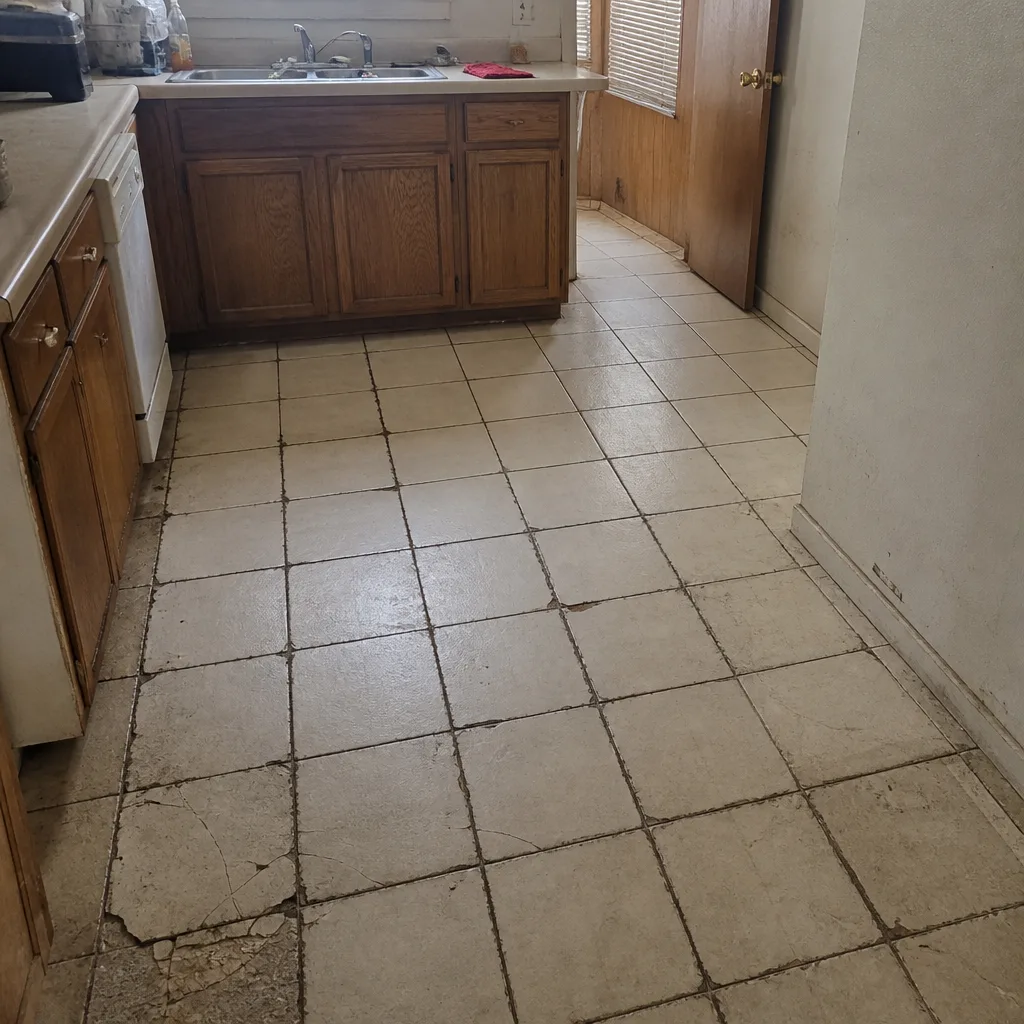 Before
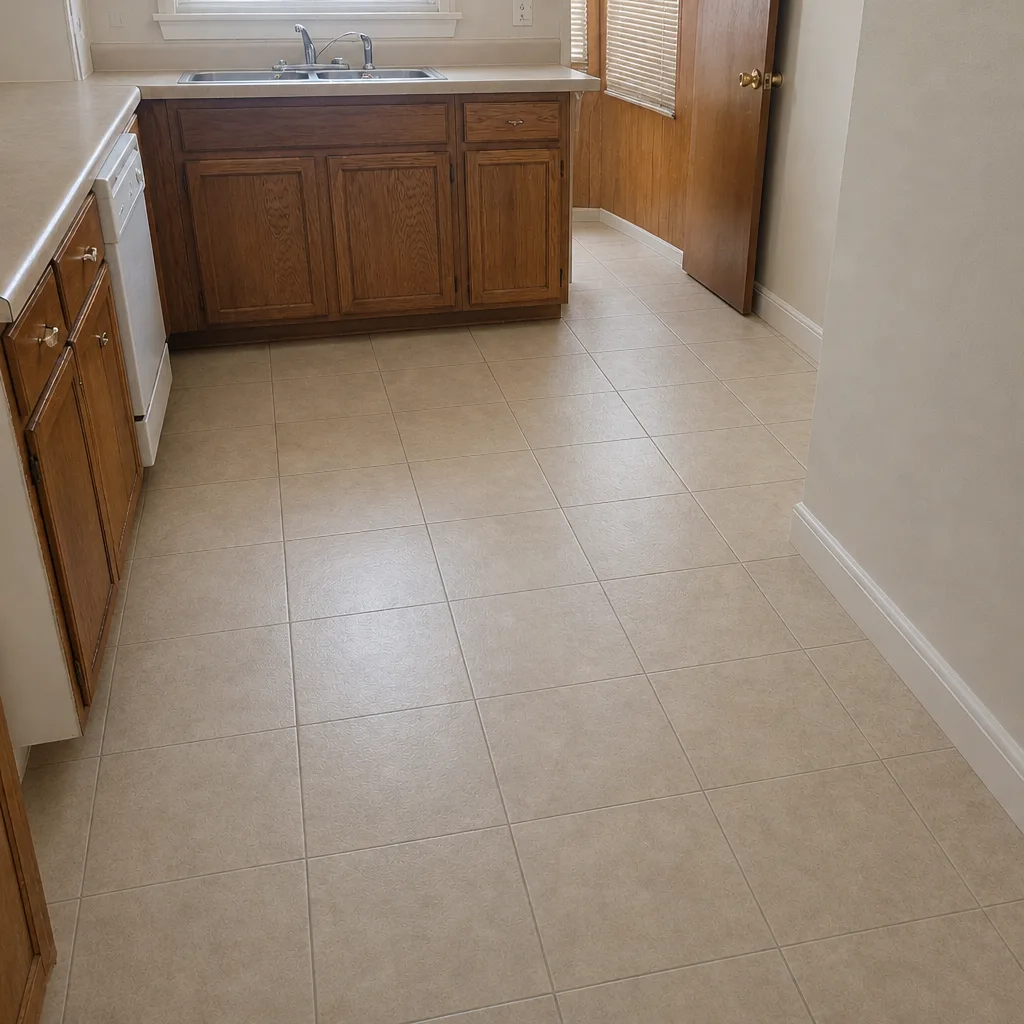 After
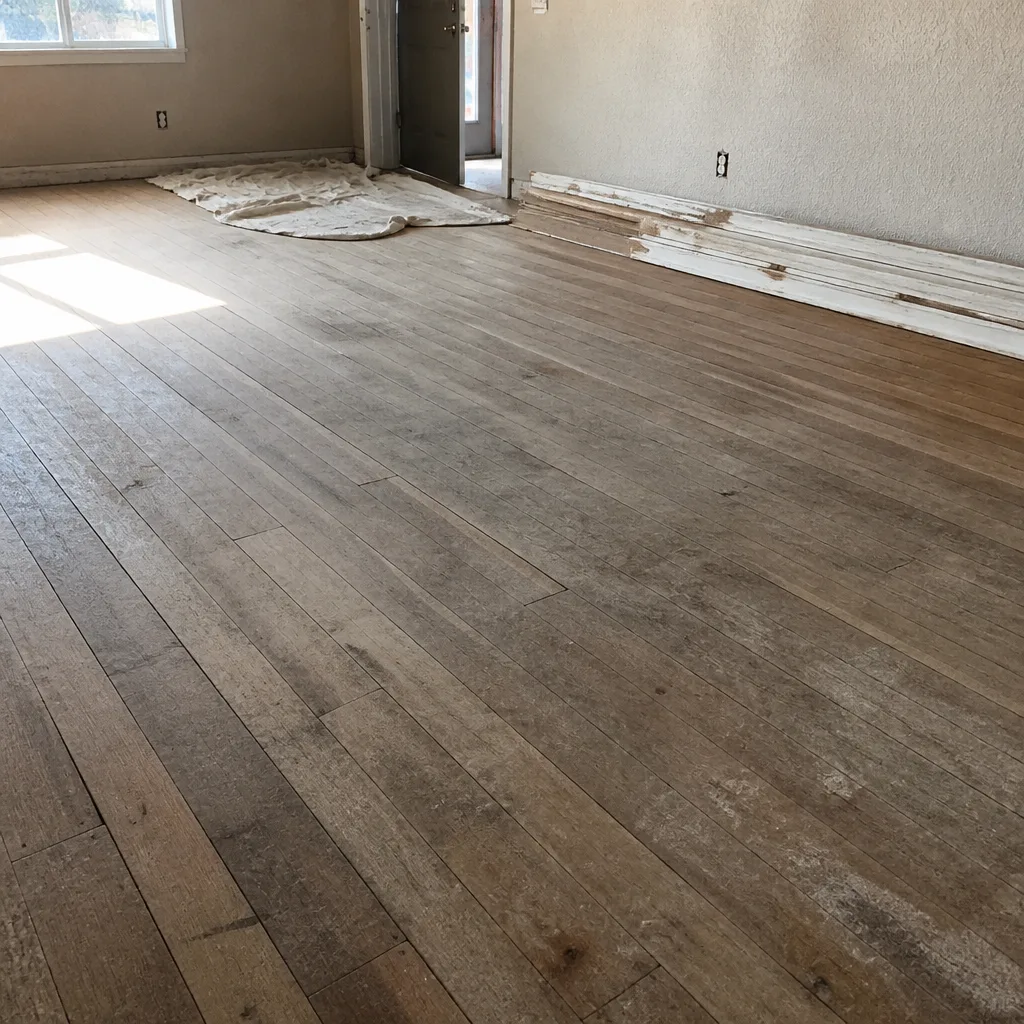 Before
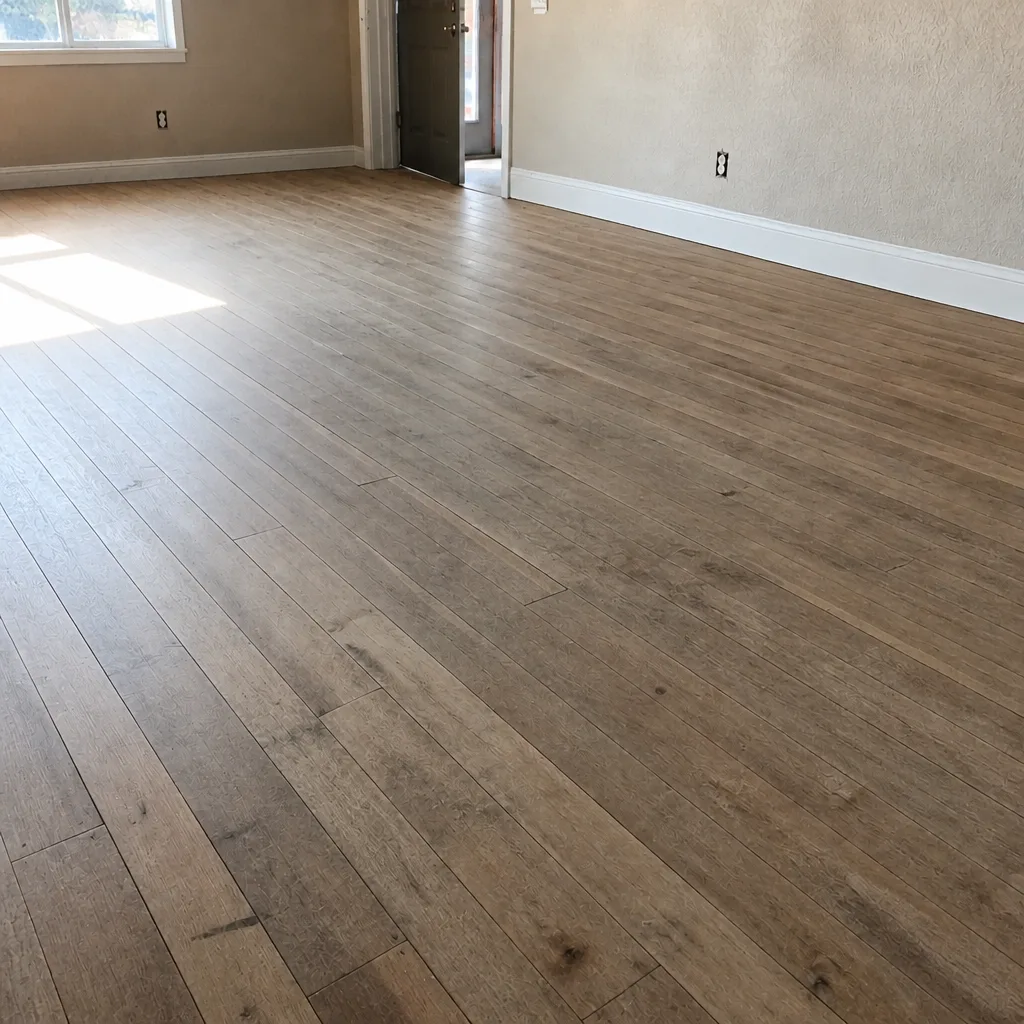 After
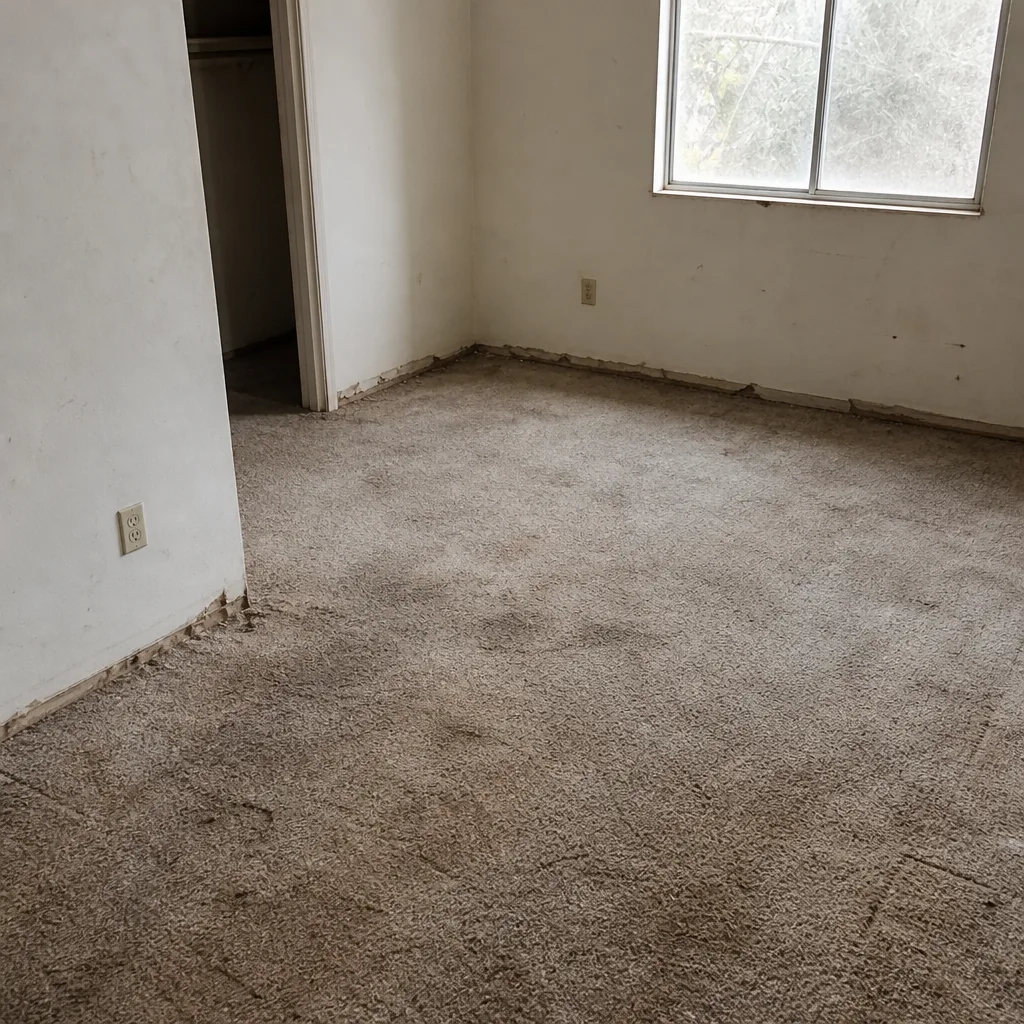 Before
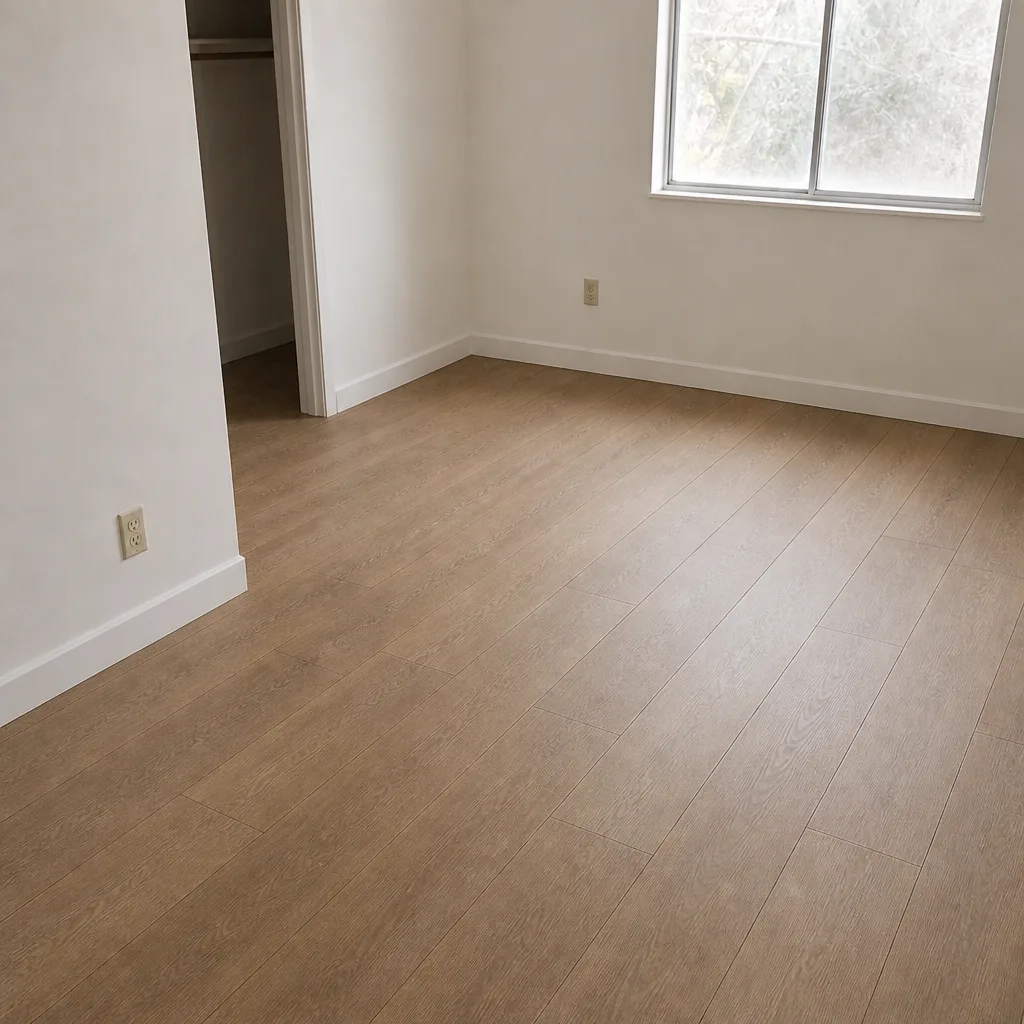 After
When to Call a Professional
Call a flooring professional if any of these describe your situation:
- The floor has cupped, lifted, or buckled after water exposure, and you’re not sure whether it’s cosmetic or structural.
- Boards are loose, cracked, or splintered, and you want them replaced without tearing out the whole floor.
- The finish is worn through in high-traffic areas and you want to know whether another sand-and-refinish is still on the table.
- You’re planning a whole-home project and need to coordinate hardwood, tile, and carpet on the same schedule.
- You’ve been quoted a replacement and want a second opinion that checks the wear layer and subfloor first.
- A room’s use doesn’t fit its current floor, like a bathroom with hardwood or a kitchen with carpet.
We install and service the floor you choose, across nine brands. That means we can quote a refinish, a tile install, and a carpet install together, or tell you when the repair is the better call and the replacement isn’t needed. Boulder City Flooring offers free estimates in Boulder City. Call (844) 560-5320. We answer 24/7. Fast dispatch from 7am to 7pm, Sunday through Friday, and the written estimate sets the final price.
Frequently Asked Questions
A sand-and-refinish typically runs $3 to $5 per square foot, and a full hardwood replacement installed typically runs $8 to $14 per square foot. Board replacement paired with a refinish usually falls between the two, depending on how many boards need replacing and whether the subfloor needs work. Call (844) 560-5320 for an exact quote. Estimates are free.
It depends on how much wood remains above the tongue. The general threshold is about 3/32 of an inch above the tongue. If it’s above that, a full sand-and-refinish is usually viable. If it’s below about 1/16 of an inch, another sand is risky. A trained professional can measure the depth in a few minutes at the estimate visit, and that measurement is the number that decides it. Call (844) 560-5320 to schedule a free estimate.
Often no. In a dry climate like Boulder City’s, cupped boards can flatten back out as the moisture dissipates. Shut off the water source, let the floor dry, then have it inspected before making a decision. Cosmetic cupping that flattens is different from structural damage to the subfloor, and only the second one usually means replacement of boards. Call (844) 560-5320 if you’re not sure whether the floor is dry enough to judge.
Yes, when the board species and grain match closely and the whole floor is sanded and refinished together. That’s what blending means, and strategic board replacement paired with a full refinish is usually the right call for localized damage. We won’t promise a perfect color match to a sample, because wood varies and old wood ages differently, but the refinish levels the difference so a good repair reads as a restored floor. Call (844) 560-5320 for a free estimate.
It depends on the home. In Boulder City homes where the original hardwood is a feature and buyers value character, a properly refinished original floor usually does well. In homes where the goal is a clean, updated feel, a new floor may suit better. A waterproof rigid-core option such as LifeProof communicates easy maintenance, and a designer-grade line like Karndean reads as an intentional update. The right answer follows the room and the household. Call (844) 560-5320 for an estimate.
The estimate is genuinely free, and the work is scheduled after it. The estimate visit includes a measure, a wear-layer check, and a subfloor inspection, and you get a written price before anything is booked. How long the install or refinish takes depends on the square footage and the scope, and it’s set at the estimate. We answer 24/7. Fast dispatch from 7am to 7pm, Sunday through Friday. Call (844) 560-5320.
The Bottom Line
Most flooring decisions get made backward: the damage is found, a replacement is proposed, and the price comes later. It should go the other way. Check the wear layer, inspect the subfloor, and scope the damage before you decide. If the wood is above the tongue and the subfloor is sound, a refinish or a strategic board repair is usually the right call, and the savings are real. If the wood is thin, the subfloor is rotted, or moisture has compromised the joints, replacement is the honest answer. In Boulder City’s dry climate especially, water damage often looks worse than it is, and time is your friend. Whatever the answer, the written estimate sets the final price, and Boulder City Flooring will do the diagnostic work first and tell you what’s actually true. Call (844) 560-5320 to schedule your free estimate.
Written by the team at Boulder City Flooring.