
Last updated November 17, 2026
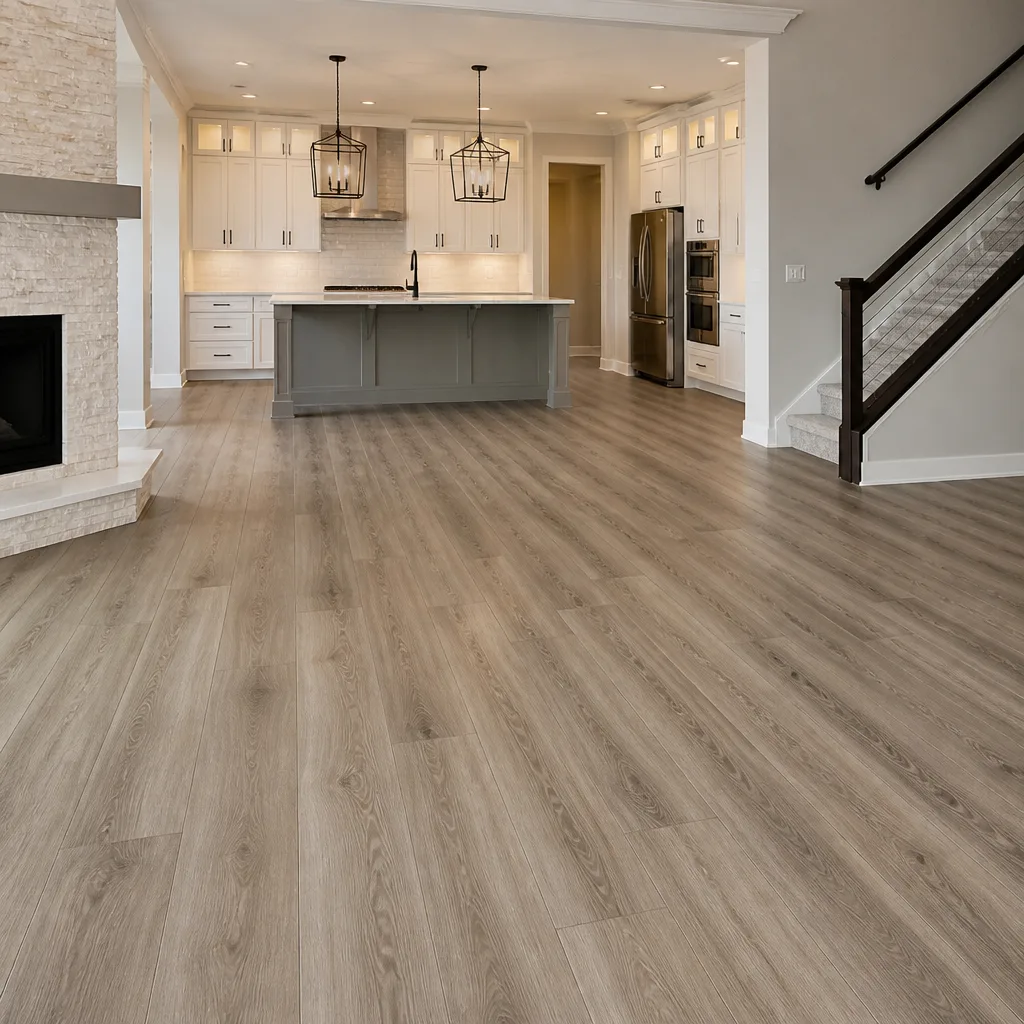 Luxury vinyl plank
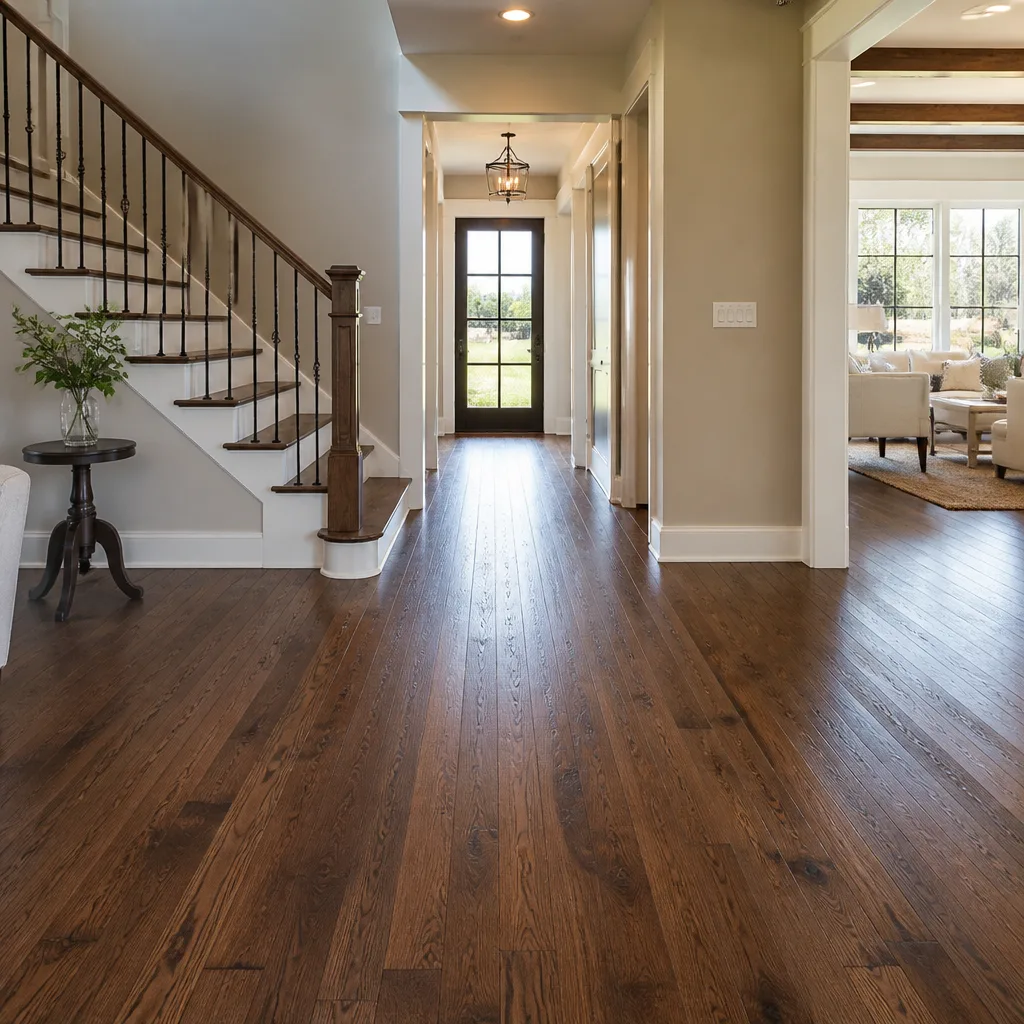 Hardwood
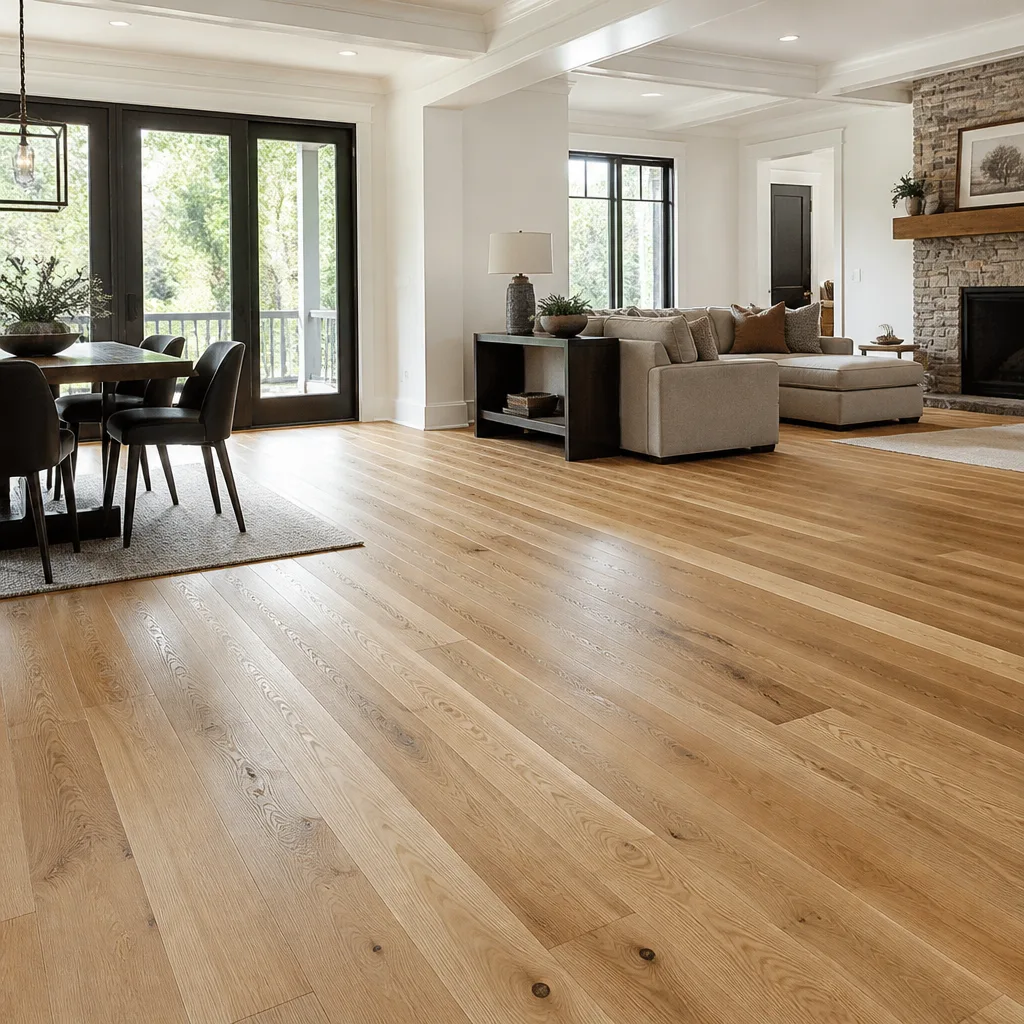 Engineered hardwood
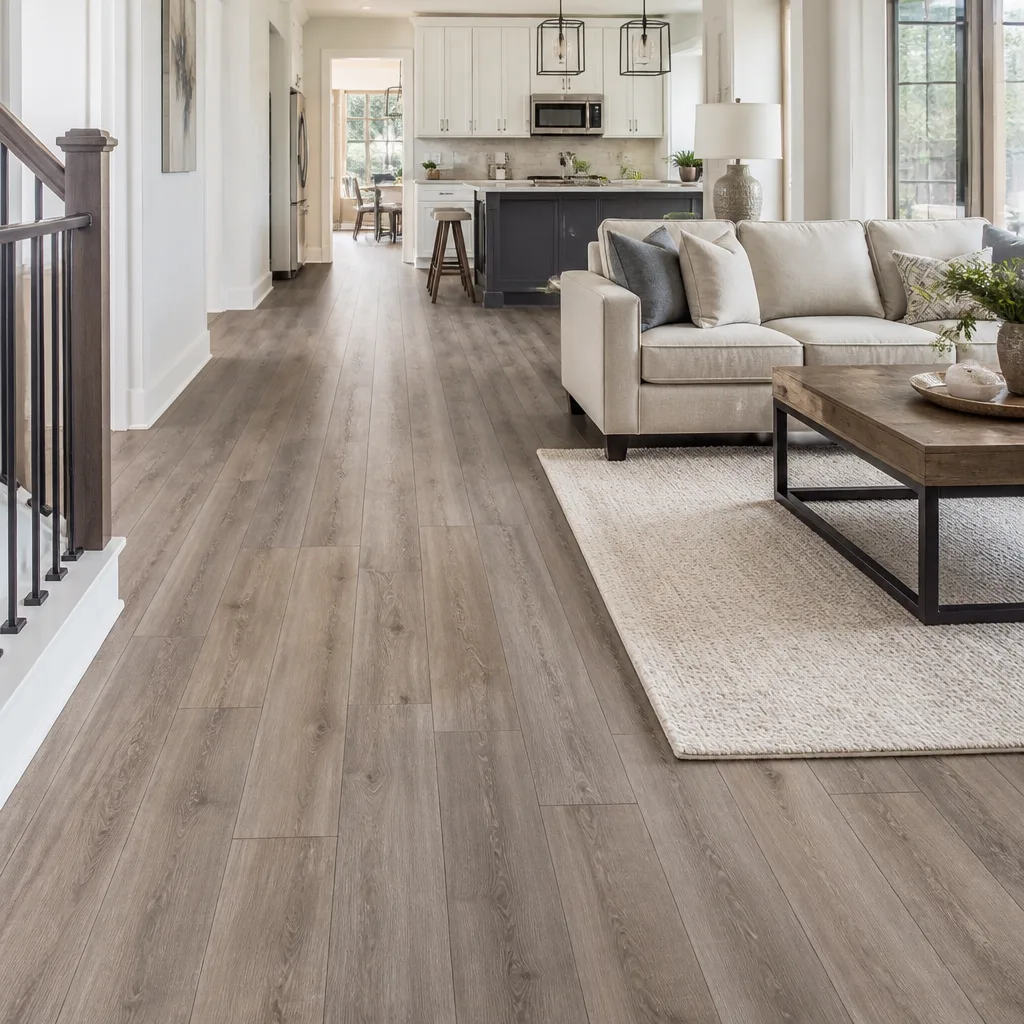 Laminate
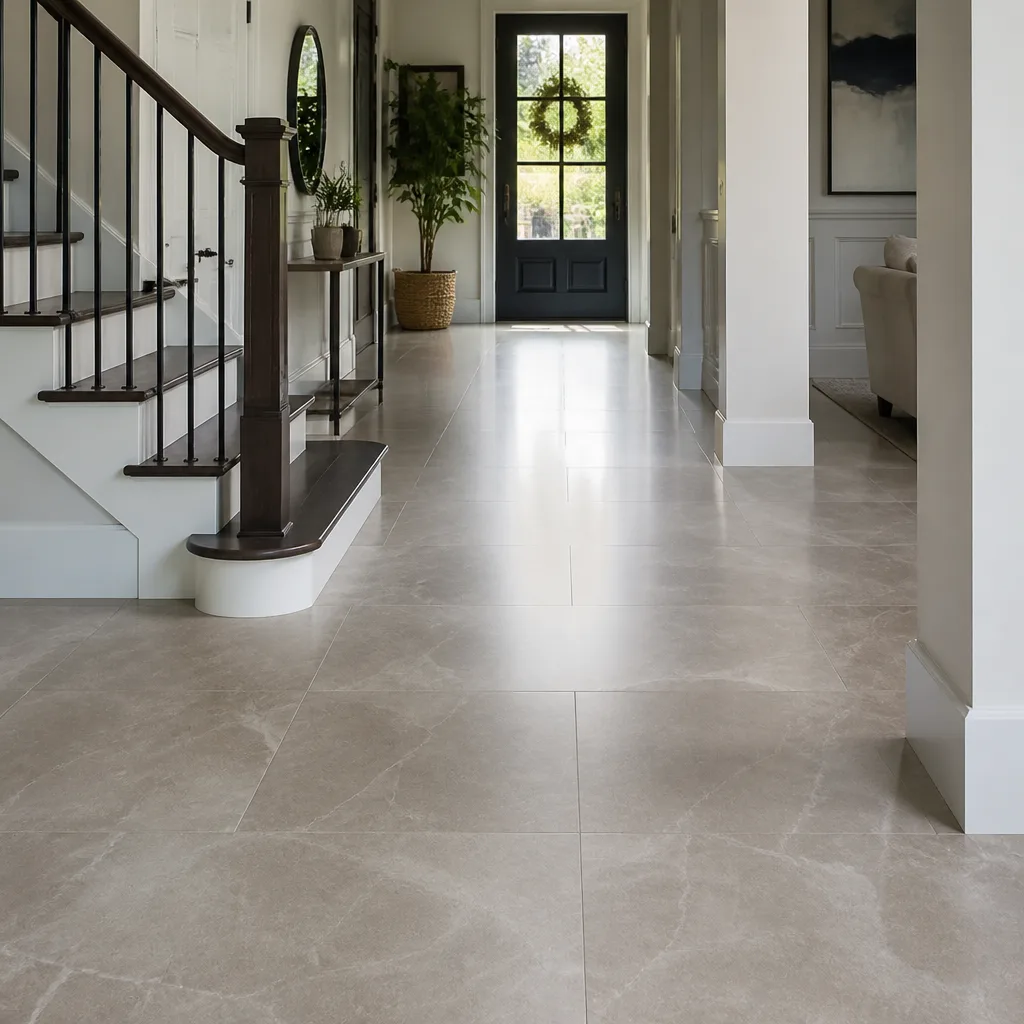 Porcelain tile
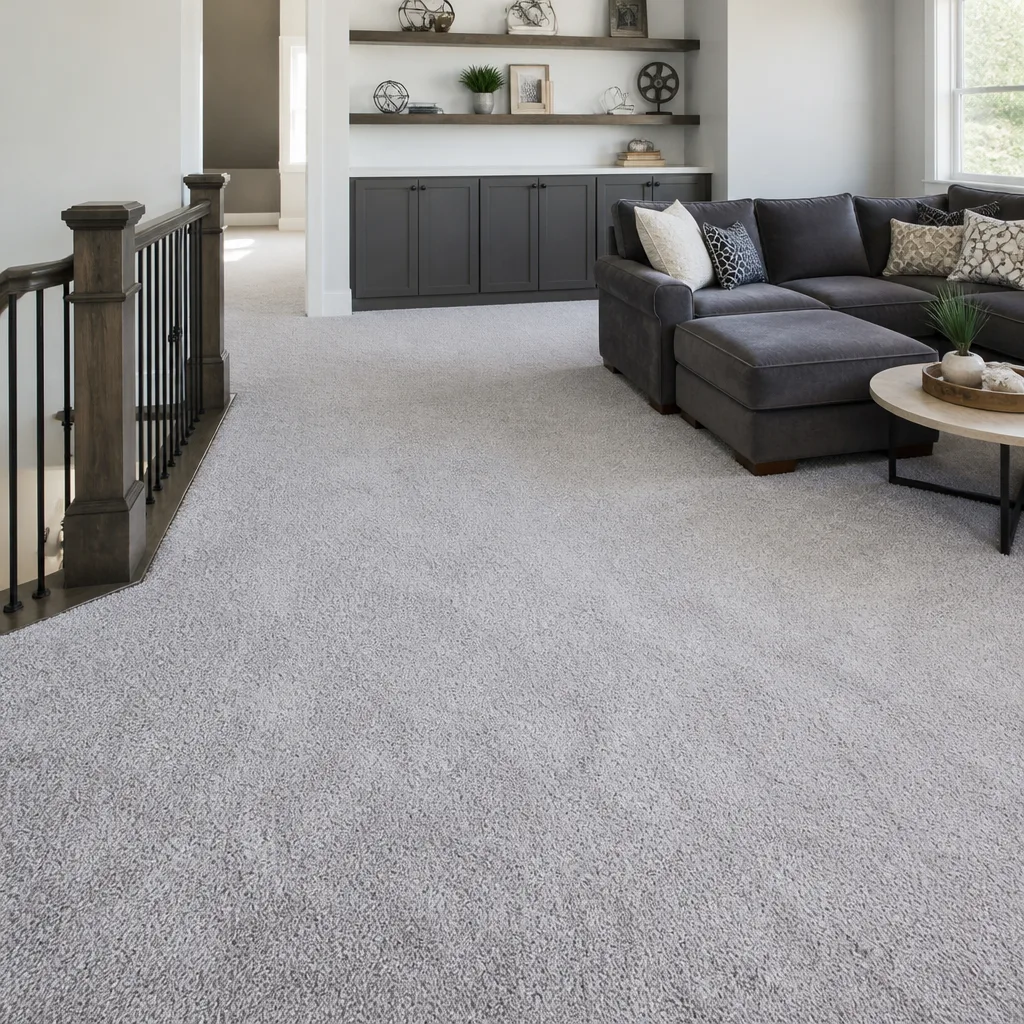 Carpet
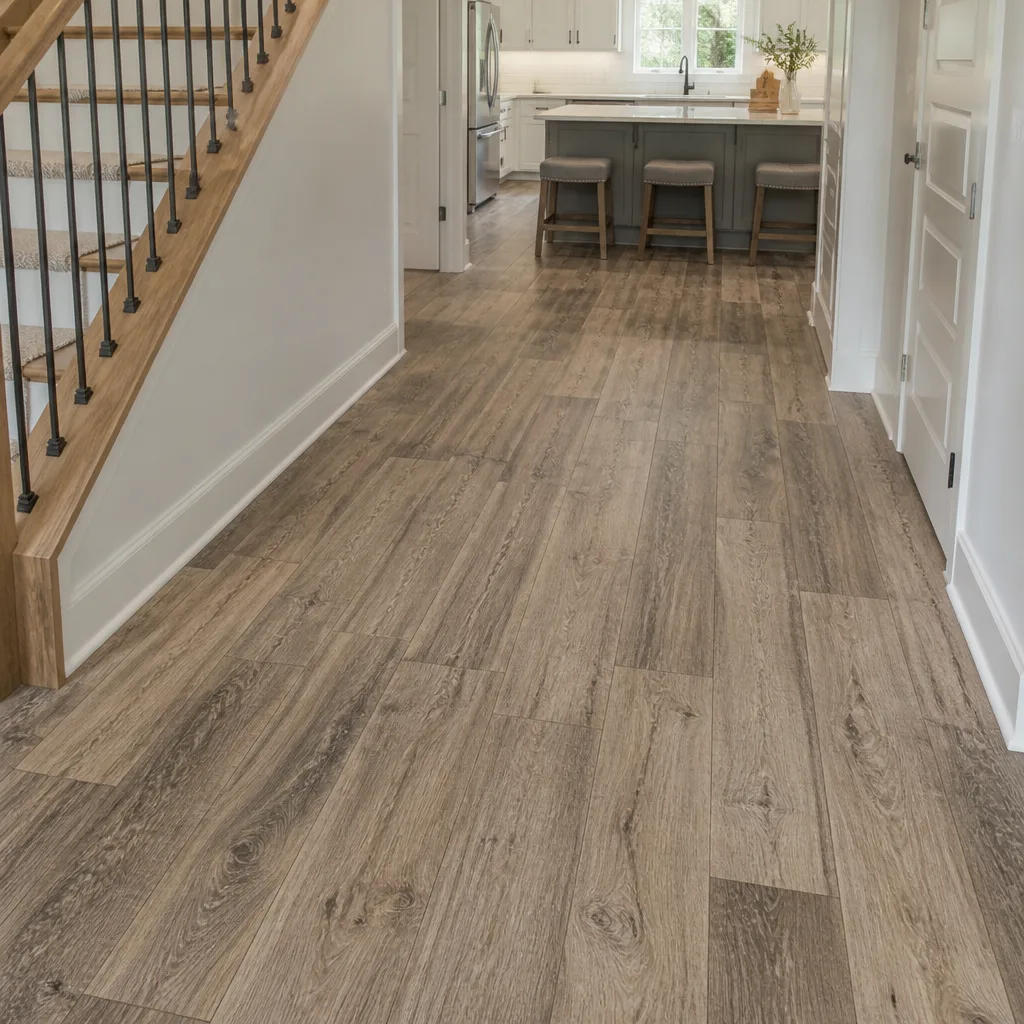 Shaw
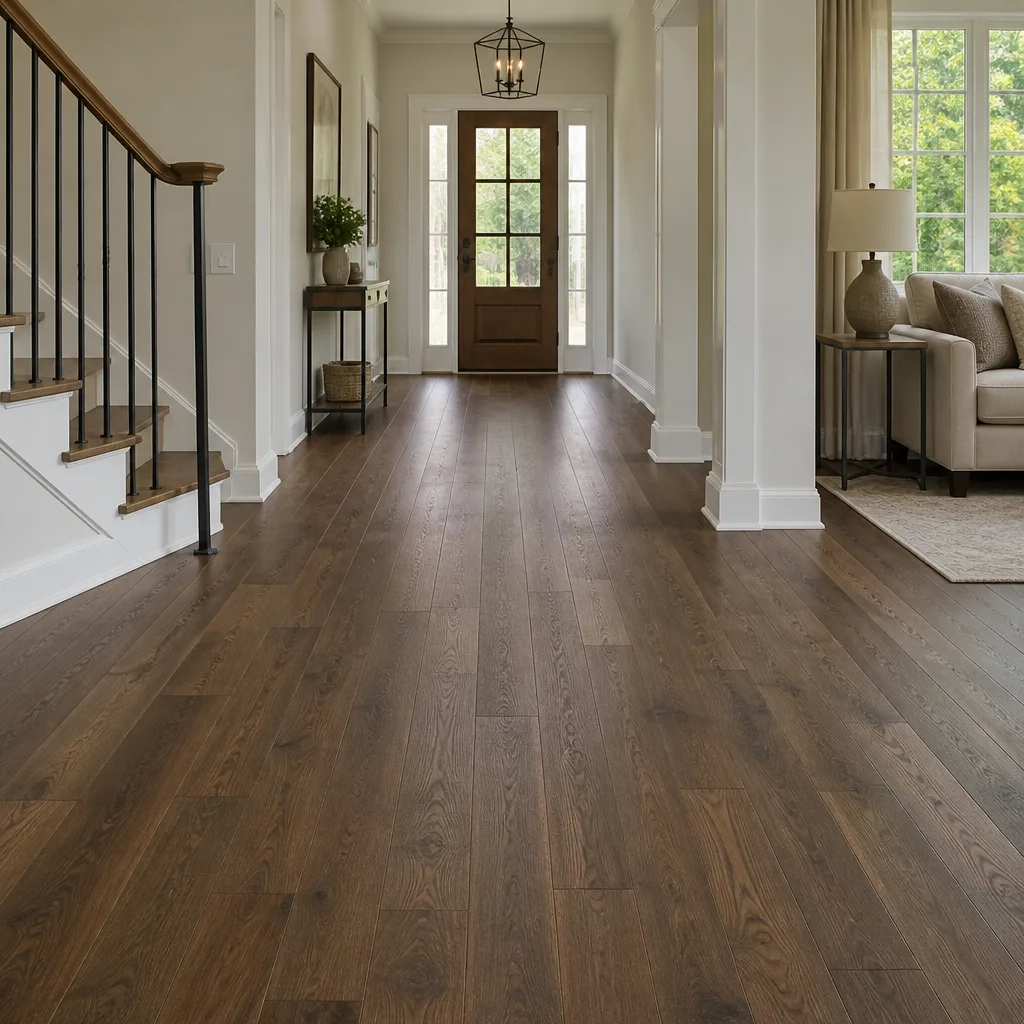 Mohawk
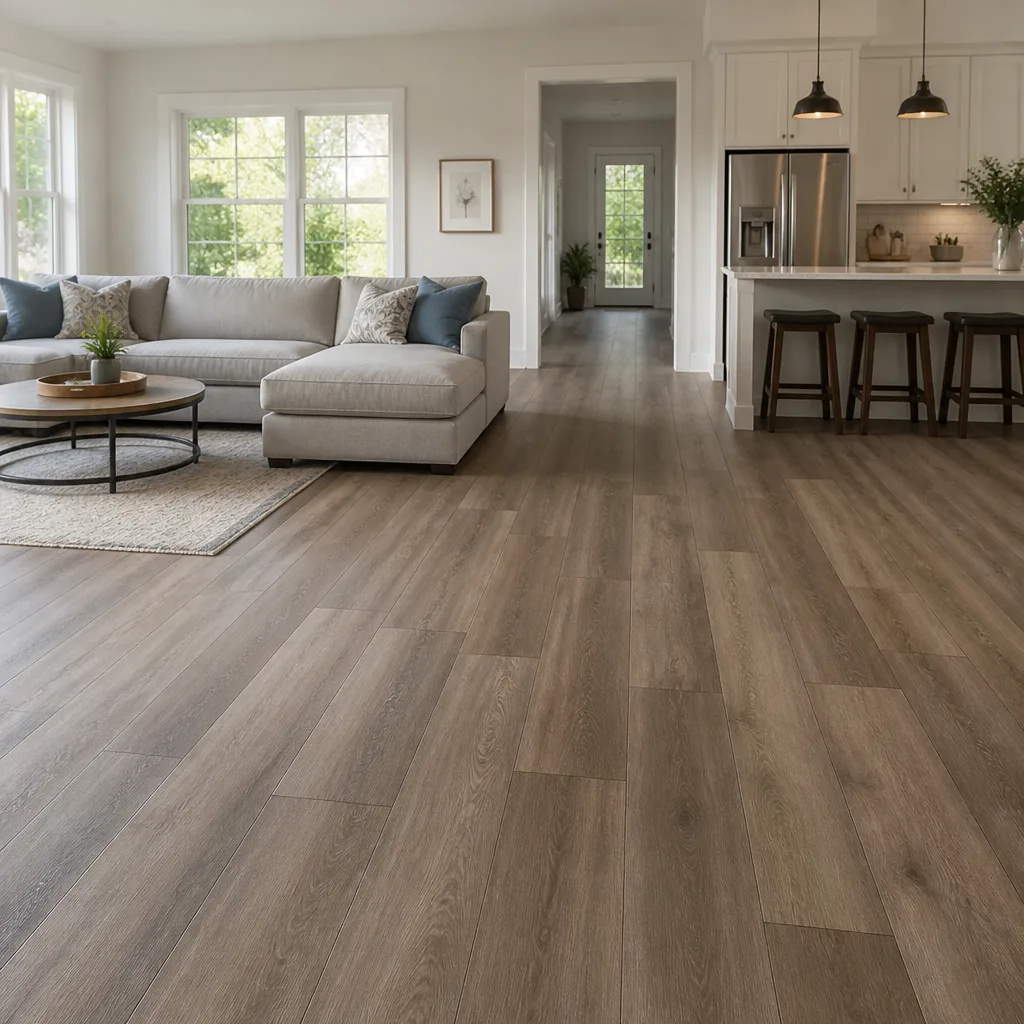 COREtec
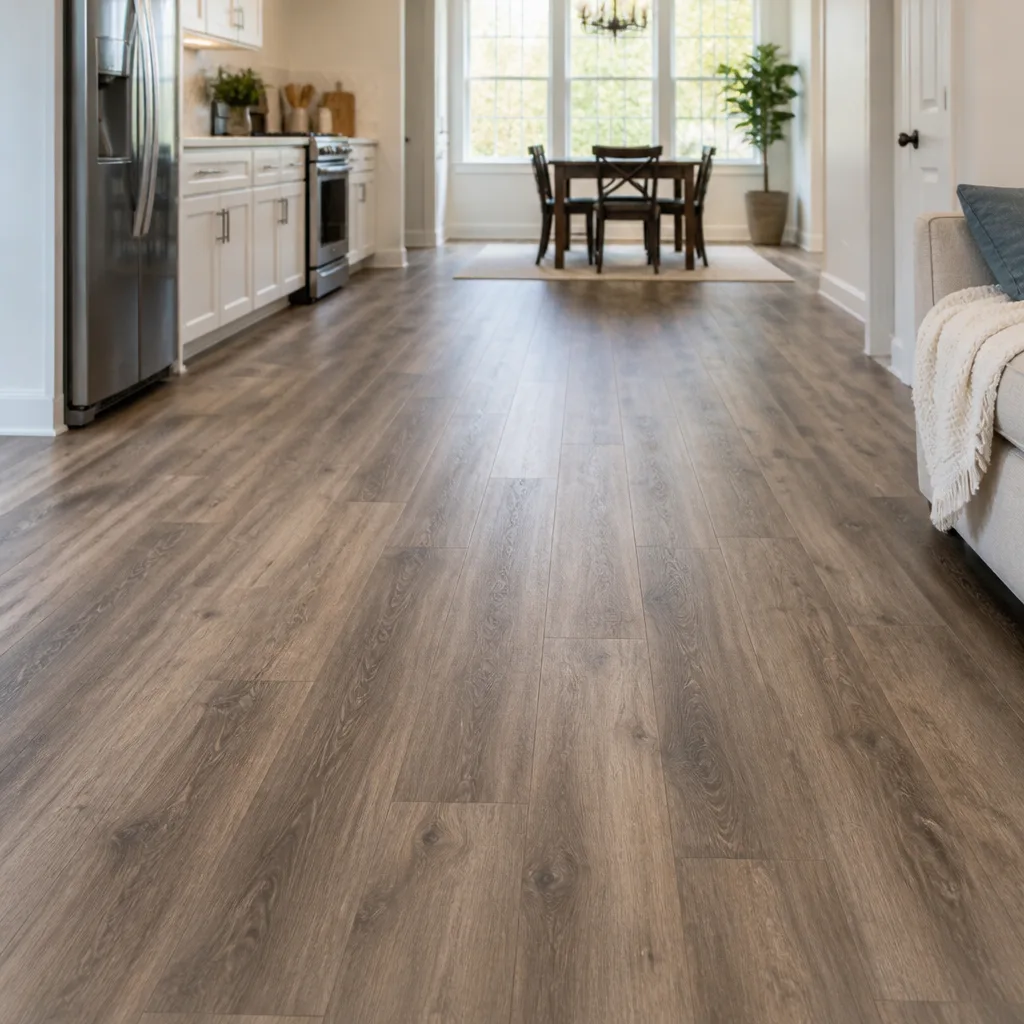 Pergo
Free in-home measure and written estimate: Shaw, Mohawk, COREtec and Pergo lines compared on your own rooms, with carpet, tile, vinyl plank, laminate and hardwood laid out side by side
Get your free estimateHardwood, Vinyl Plank, Laminate or Tile: How Boulder City Homeowners Decide
Solid hardwood has been installed in desert climates for over a century. It can absolutely work in Boulder City, but only if the species, board width, and acclimation protocol are matched to actual local conditions. The installers who skip that step are the reason “wood warps in Nevada” became a myth. This guide runs the decision the way it actually plays out: physics first, preferences second. You’ll learn which materials handle Boulder City’s dry air and intense sun, where each one genuinely earns its price, and how to weigh a floor over ten years instead of one purchase. We’ll also get into the parts most buying guides skip, like where laminate still beats vinyl plank and why tile belongs in more rooms than you think.
Quick Answer
In Boulder City, the right floor is the one that survives the climate first and suits your lifestyle second. Luxury vinyl plank handles the widest range of rooms for most households because it tolerates dry air and occasional moisture without fuss. Tile wins in wet and sun-baked spaces. Laminate still makes sense in dry, low-traffic rooms on a budget. Solid hardwood works here, but only with the right species, width, and a proper acclimation period before installation.
Styles & brands we work with
- Hardwood
- Engineered hardwood
- Luxury vinyl plank
- Laminate
- Porcelain tile
- Carpet
- Shaw
- Mohawk
- COREtec
- Pergo
Table of Contents
- Why Climate Comes Before Style
- Humidity Tolerance: How the Four Materials Compare
- Hardwood: The Long Game and the Ten-Year Math
- Luxury Vinyl Plank: Where It Wins and Where It Doesn’t
- Laminate in 2026: Still Worth It, Sometimes
- Tile Beyond the Bathroom
- What Boulder City Buyers Actually Notice
- Common Mistakes to Avoid
- Frequently Asked Questions
Why Climate Comes Before Style
Most flooring advice starts with “how do you live?” and works backward to material. That’s the wrong order in Boulder City. The Mojave environment narrows the field before your kids, your dog, or your design taste ever enter the conversation. Get the physics wrong and you’ll be replacing a floor in a few years no matter how much you loved the color.
Boulder City sits at roughly 2,500 feet in the desert, which means three things drive flooring behavior. First, the air swings between extremely dry stretches and the monsoon months of July through September. Second, interior humidity drops low enough in winter that any wood product will shrink if it hasn’t been allowed to settle. Third, sunlight through south and west windows is brutal on finishes and colors. Those are the variables that separate a floor that lasts from one that cups, gaps, or fades.
Here’s what the extremes actually do to each material:
- Solid hardwood expands and contracts with humidity. In a dry stretch, tight boards open into visible gaps. It needs stable indoor conditions and a real acclimation period.
- Engineered and rigid-core products use a plywood or composite core that’s far more dimensionally stable, so they take seasonal swings better than solid wood.
- Laminate is stable in dry air but vulnerable if moisture gets under it.
- Tile ignores humidity entirely. It’s the climate-proof option, though the grout and the subfloor have their own rules.
The takeaway: the desert doesn’t disqualify any category. It just raises the bar on how each one is specified and installed. That distinction is the whole foundation of a good decision, and it’s what separates a specialist consultation from a sales pitch. If you want to see how we think about the full range of options, the Boulder City Flooring page lays out the portfolio, and the local guide to Boulder City is a good starting point if you’re new to the area.
Humidity Tolerance: How the Four Materials Compare
If you only read one section of this guide, read this one. Humidity tolerance is the single best predictor of whether a floor holds up in Boulder City over a decade. Below is how each category behaves across the two extremes you’ll actually live with: the bone-dry winter air and the humid monsoon months.
| Material | Dry Season (Winter) | Monsoon Season (Jul – Sep) | Verdict for Boulder City |
|---|---|---|---|
| Solid hardwood | Gaps and shrinkage if not acclimated; needs controlled indoor humidity | Expansion and cupping risk if moisture reaches the wood | Works with the right species, width, and acclimation |
| Engineered / rigid-core LVP | Minimal movement thanks to the stable core | Handles surface moisture and humidity well; standing water still an issue | Most forgiving across the whole year |
| Laminate | Stable; resists dry-air shrinkage | Vulnerable if water seeps into the seams or from below | Good in dry rooms; keep out of wet zones |
| Tile | Unaffected | Unaffected by humidity; grout maintenance is the real variable | Climate-proof; watch the subfloor and grout |
Notice the pattern. Solid wood fails at both extremes unless conditions are managed. Laminate handles one extreme and struggles with the other. Rigid-core and tile, for different reasons, come out ahead. That’s not a knock on wood or laminate. It’s a reminder that a floor specified for the wrong room is a maintenance project waiting to happen.
One more local factor: evaporation. In dry air, spills and cleaning water disappear fast, which lulls people into leaving standing water near baseboards. Moisture from below and standing water are problems for every material. “Water-resistant” is a real, useful feature in rigid vinyl. “Waterproof” is a word that oversells what any floor actually does once a leak is involved. Deal with the water source first, then the floor.
Hardwood: The Long Game and the Ten-Year Math
Hardwood is the one category that can be sanded and refinished instead of replaced, and that single fact is what makes the cost math interesting. A cheaper floor that needs full replacement in a decade is rarely cheaper than a hardwood floor that gets refinished.
The two things people overlook about solid hardwood in Boulder City are board width and species. Wide-plank solid wood moves more across its width than narrow planks, so here it needs even more discipline on indoor humidity. Some species are also better suited to the swings than others. Here’s how a hardwood install should be specified:
- Check the subfloor. Hardwood needs a sound, level, dry base before anything else is decided. Flatness and moisture are checked at the estimate, not guessed at.
- Acclimate in place. The wood sits in the room before installation so it settles to the home’s actual conditions. Skipping this is the classic desert mistake.
- Match species and width to the room. A busy, sunbaked room gets a different recommendation than a hallway.
- Plan for control. During dry stretches and monsoon swings, indoor humidity needs attention. That’s true for wood in any climate.
Refinishing is the other half of the hardwood story, and it’s why we install new wood and restore existing wood under one roof. If your floors are worn but structurally sound, a refinish can bring them back without a full replacement. Not every floor can be sanded, though. How much wood is left above the tongue, and the overall condition, decide that. A stain also won’t always exactly match a sample. Both get checked at the estimate before we promise anything. The restore-or-replace decision is genuinely one of the most cost-effective conversations a Boulder City homeowner can have about an older home.
When people ask about “wood warping in Nevada,” the honest answer is that the wood was usually installed without acclimation or into a home with no humidity control during the dry months. The material wasn’t the problem. The process was.
Luxury Vinyl Plank: Where It Wins and Where It Doesn’t
Luxury vinyl plank is the easy default for most Boulder City homes, and it earns that position on more than marketing. Rigid-core construction, the kind behind COREtec’s rigid core, holds its shape through both the dry winter and the humid summer. That dimensional stability is exactly what the desert rewards.
Where LVP wins clearly:
- High-traffic rooms, like entryways and family rooms, where a wear layer and a sturdy core matter more than natural grain.
- Pet and kid households, because surface moisture wipes up and texture hides scuffs.
- Rooms above a slab or over a basement, where the stable core handles the conditions better than solid wood would.
- Projects with a firm budget, since LVP delivers a lot per square foot when you choose a good wear layer and install it correctly.
Where LVP loses to its reputation: it can’t be sanded and refinished. Wear it down over a decade and it gets replaced. It also won’t fool a buyer who runs their hand across it in the doorway, and it can’t be re-stained for a new look down the road. The honest framing is that LVP trades lifetime flexibility for upfront durability. For a rental unit or a room you expect to change anyway, that trade is smart. For a forever home where you want a floor that ages well and can be refreshed, hardwood may win the decade.
That’s a real trade-off, not a sales angle. The brand lineup matters less than the wear layer, the core, and the installer.
Laminate in 2026: Still Worth It, Sometimes
You’ll read plenty of blanket claims that vinyl plank has finished laminate off. In our experience, that’s too simple. Laminate still has a place in a Boulder City home, just a narrower one than it had a decade ago.
Laminate makes sense when the room is dry, the traffic is moderate, and the budget is tight. It’s dimensionally stable in dry air, it handles sun better than some people expect, and quality laminate can look convincing for years. Pergo remains a benchmark brand in the category for good reason. In a bedroom, a home office, or an upstairs room with no plumbing above it, laminate can be the sensible choice.
Where laminate has genuinely been outclassed:
- Near water. Kitchens, bathrooms, laundry rooms, and entryways are laminate’s weak spots. Water that reaches the seams is hard to recover from.
- Pet accidents and spills. If water sits on a laminate floor, the edges are the first to show it.
- Slab-on-grade framing. When the floor needs to shrug off moisture from below, a rigid-core plank is the safer call.
The rule of thumb: use laminate where it’s dry and protected, and choose rigid-core vinyl where water is even a possibility. That nuance beats a reflex either way.
Tile Beyond the Bathroom
Tile is the most misunderstood category on this list. Most people picture the bathroom and stop there. In Boulder City, tile can do far more because it’s immune to the climate swings that stress wood and laminate. Floor tile in a sunbaked entryway, a covered patio room, or a laundry space is a strong strategic choice, and it will outlast nearly everything else in the house.
Where tile earns its place beyond kitchens and baths:
- Entryways and mudrooms, where grit, water, and sun meet at the busiest door in the house.
- Laundry and utility rooms, where a leak or overflow is a real possibility.
- Sunrooms and enclosed patios, where the summer heat defeats most other surfaces.
- Living areas in high-traffic, no-pet homes, where durability beats softness.
The trend toward large-format tile raises the installation bar. Bigger tiles mean fewer grout lines, which looks great, but it also means a flatter, more carefully prepared subfloor, because a large tile can’t ride over a dip the way a small one can. It also puts more weight on the choice of grout. A darker or textured grout hides dirt and staining better than a light, smooth one, and grout maintenance is the main ongoing care a tile floor needs. Tile installation is a genuinely different skill from carpet or wood, which is why our relationship with Daltile matters: dedicated tile expertise rather than a side offering. If tile is on the table, the tile flooring installation page walks through what to expect.
What Boulder City Buyers Actually Notice
Resale advice about flooring tends to be vague. In our experience, Boulder City buyers and appraisers respond to a few specific things, and they’re less about brand name than condition and consistency.
- Condition beats category. A well-kept laminate floor reads as cared for. A neglected hardwood floor with gaps and worn finish reads as a project. Buyers notice first.
- Consistency across a level. A whole room in one material reads as clean. A patchwork of four floors across the same hallway reads as risk.
- Wet zones done right. Buyers and appraisers look at bathrooms and kitchens first. Tile that’s flat, sealed, and clean sends a signal.
- Refinishable hardwood is a plus in older homes. The option to sand and stain rather than replace is genuinely valued, especially in Boulder City’s older housing stock.
- That “click” test. Buyers touch floors. A rigid-core plank feels more solid underfoot than a soft laminate, and it shows at the doorway.
The takeaway for planning is that category matters less than condition and coverage. A single consistent material across the rooms a buyer actually walks through tends to feel more valuable than a mix of high-end and budget categories. That’s the thinking behind one contractor, every floor, for whole-home projects.
Common Mistakes to Avoid
- Skipping acclimation for solid wood. Wood installed straight off the pallet into a dry Boulder City home will gap and cup. It has to settle in place first, and the estimate should account for it.
- Choosing “waterproof” as the only criterion. No floor survives standing water or a leak from below indefinitely. Fix the water problem, then pick the floor.
- Using laminate in wet rooms. It’s a fine budget choice in dry rooms, but laminate in a bathroom or laundry is a repair waiting to happen.
- Ignoring the subfloor flattening for large tile. Big-format tile needs a flat, prepared base. Skipping that step causes lippage and cracked tiles.
- Mixing four materials across a hallway. It looks busy and it reads as risk at resale. Plan the material transitions on purpose, not by accident.
- Assuming every hardwood floor can be refinished. It depends on how much wood is left and the floor’s condition. Ask at the estimate, don’t assume.
- Choosing a floor you’ll want to change in five years. Match the plan to how long you expect to stay, and weigh it over ten years, not one.
Seeing these all in one place is also a good way to spot the questions a sales associate at a big-box store won’t ask. A focused specialist should ask about the subfloor, the sun exposure, the pets, and the timeline before recommending anything.
See the difference
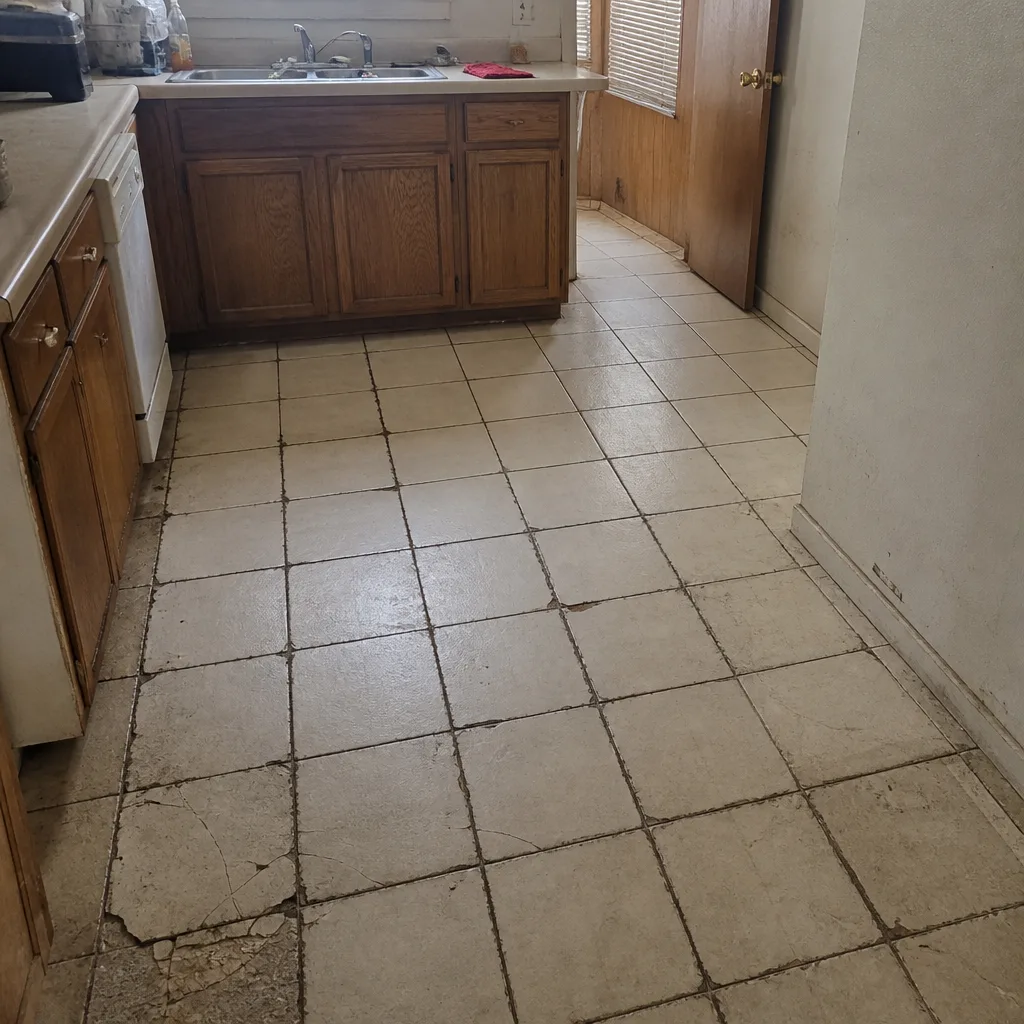 Before
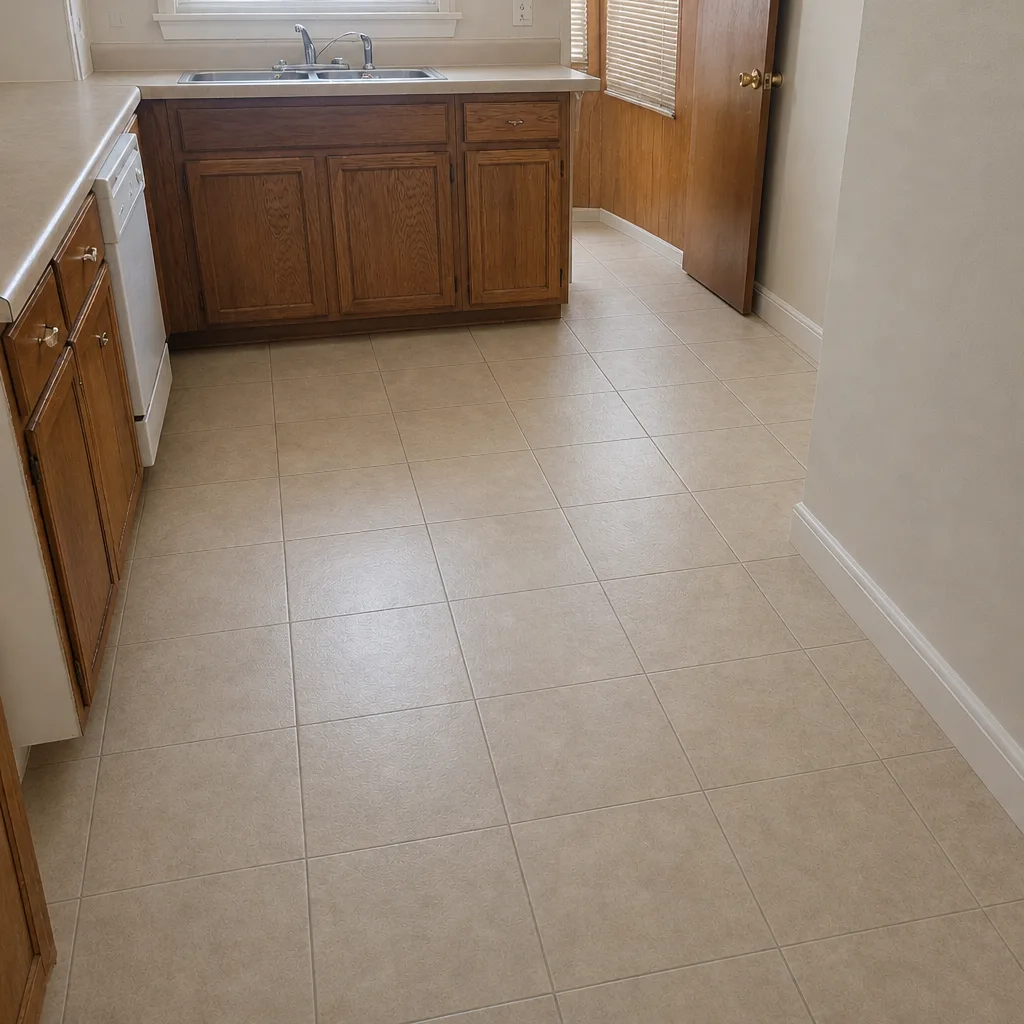 After
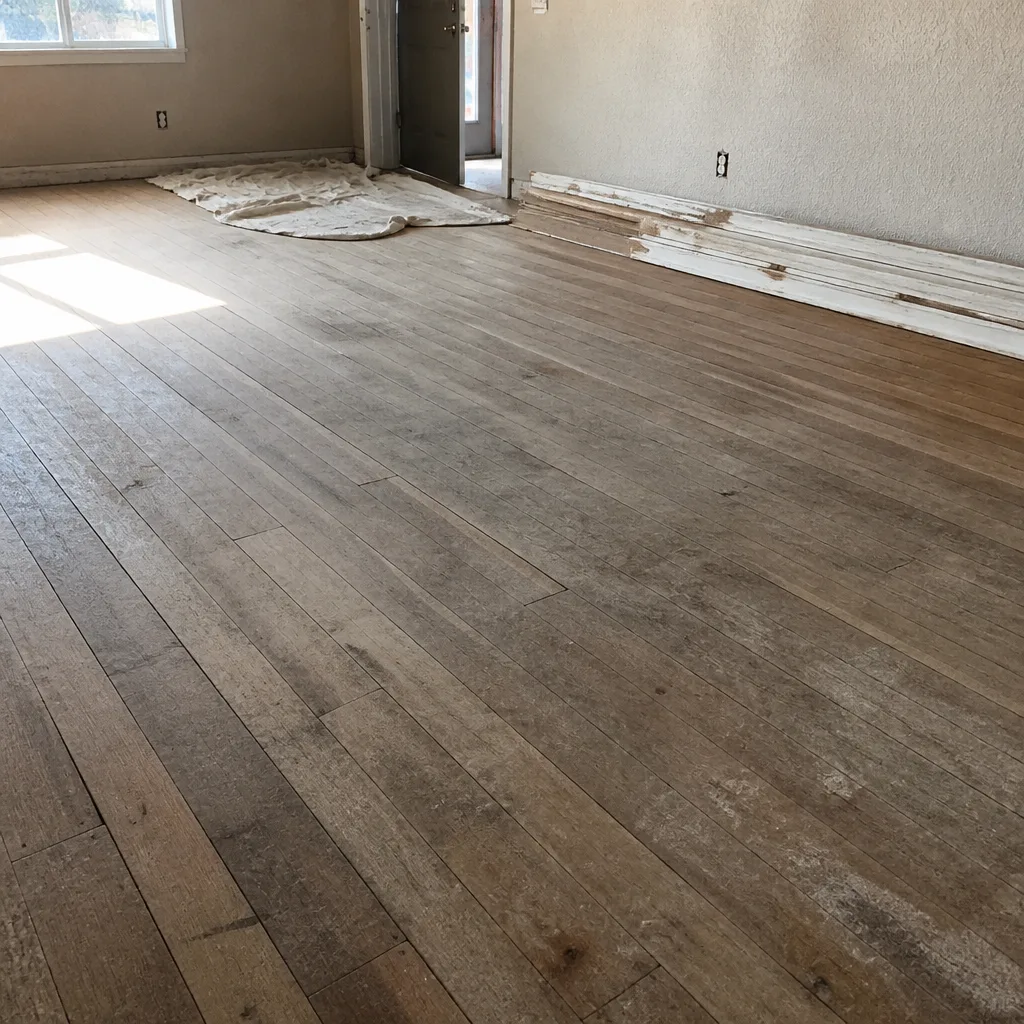 Before
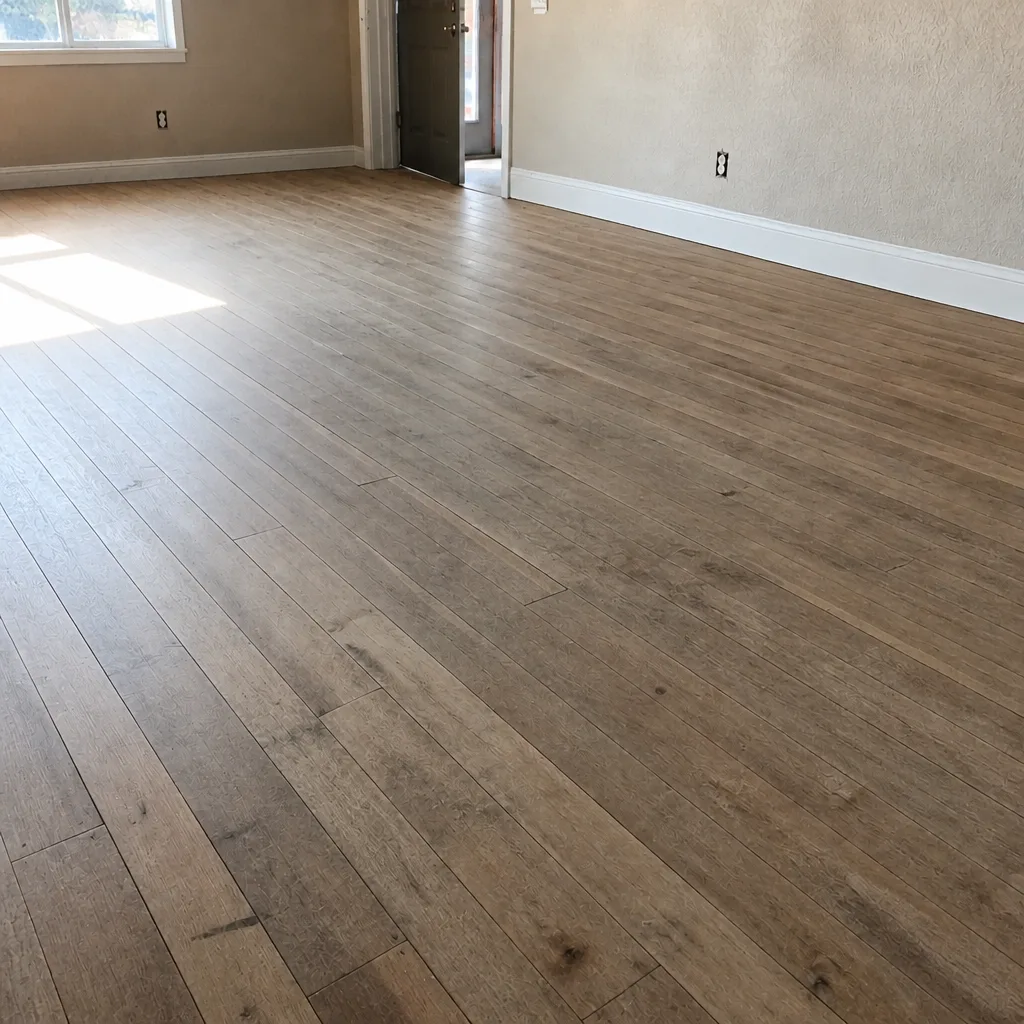 After
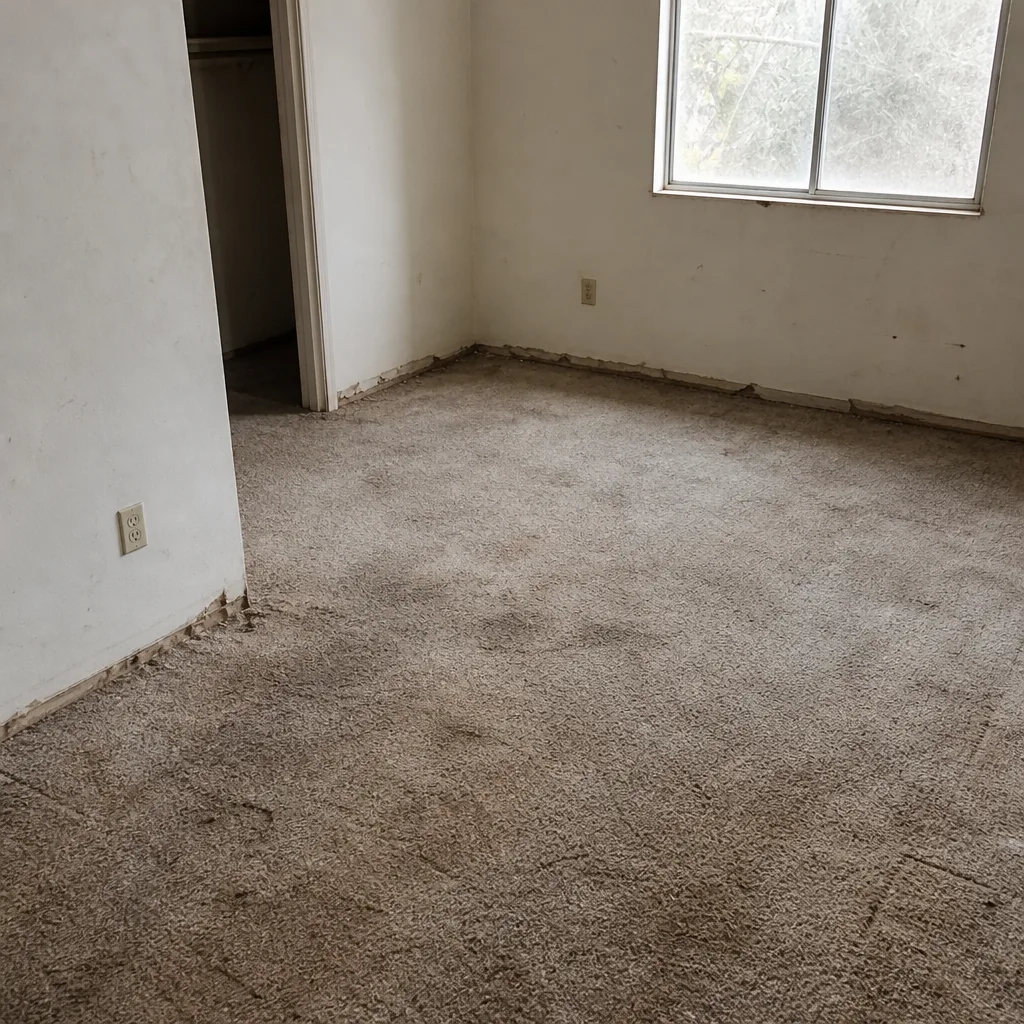 Before
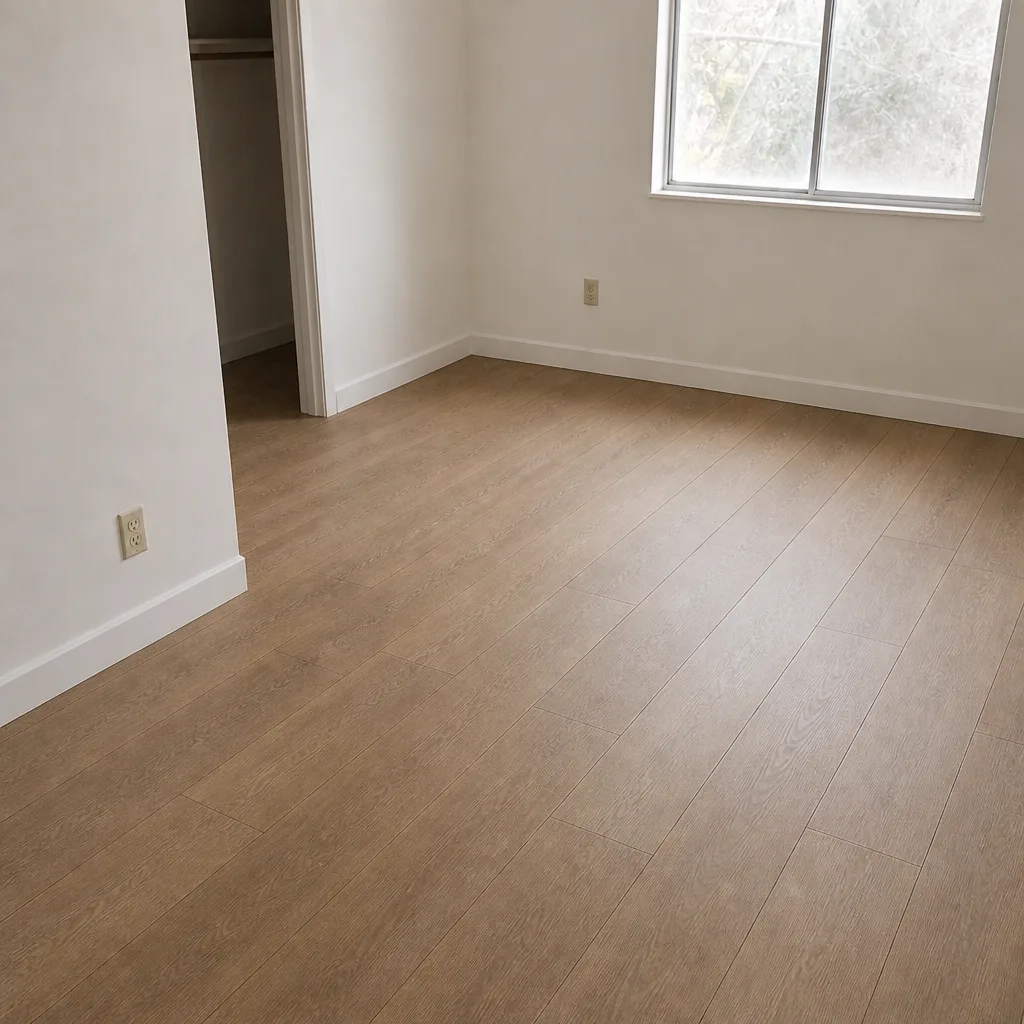 After
When to Call a Professional
Some decisions are worth a professional eye even if you’re comfortable with a DIY project. Struggling with the hardwood-vs-vinyl-vs-laminate-vs-tile question itself is reason enough to book a consultation, because the answer depends on things you can’t see: the subfloor, the moisture, the sun path, and the framing. Add any of these to the list and a professional visit is worth it.
- You’re planning a whole-home or multi-room project and want one contractor to coordinate it.
- You’re weighing refinishing old hardwood against replacing it.
- You have a slab-on-grade floor or a moisture question.
- You’re installing large-format tile.
Boulder City Flooring offers free estimates in Boulder City. Call (844) 560-5320. We answer 24/7. Fast dispatch from 7am to 7pm, Sunday through Friday. Every price comes from a written estimate, so you know exactly what the job involves before you commit. Our technicians have up to 10 years of experience, and we work across carpet, tile, and hardwood, so the advice comes from one place. If a whole-home project is on the table, the carpet installation page shows how carpet fits into the plan alongside hard surfaces.
Frequently Asked Questions
For most Boulder City households, luxury vinyl plank is the most forgiving across the full year because the rigid core handles both the dry winter air and the humid monsoon months. That said, tile beats it in wet and sun-baked rooms, hardwood wins when you want a floor that can be refinished for decades, and laminate makes sense in dry, moderate-traffic rooms on a budget. Call (844) 560-5320 for a free estimate tailored to your rooms.
Not when it’s specified and installed correctly. Solid hardwood has been installed in desert climates for over a century. It gaps and cups when it’s installed without acclimation or into a home with no humidity control during dry stretches. Choose the right species and width, let it settle in place, and plan for indoor humidity, and hardwood handles Boulder City fine. Call (844) 560-5320 for a free estimate and we’ll assess the floor’s condition first.
Not universally. LVP wins clearly in wet rooms, pet households, and slab-on-grade situations because water resistance and core stability matter there. Laminate still makes sense in dry, moderate-traffic bedrooms and offices on a tighter budget. The honest answer depends on the room and the moisture risk. Call (844) 560-5320 for a free estimate and we’ll help you sort it room by room.
Yes, the estimate is free, and the price is set by a written quote after we look at the job. We don’t quote over the phone without seeing the subfloor, the room, and the access. Call (844) 560-5320 to schedule your estimate.
The exact schedule is set at your estimate, because it depends on the material, the room count, the subfloor prep, and how much acclimation the product needs. Tile and hardwood generally take longer than plank because of prep and finishing steps. We’ll give you a realistic timeline on the written estimate so you can plan. Call (844) 560-5320 to book yours.
Refinish if the wood is thick enough and structurally sound, replace if it’s worn through, damaged, or too thin to sand. The amount of wood above the tongue and the floor’s overall condition decide it, and a stain won’t always exactly match a sample. We check both at the estimate, so you get a straight answer before you spend anything. Call (844) 560-5320 for a free estimate.
The Bottom Line
Start with the physics, then the preference. In Boulder City, the climate is the first filter: dry winters and humid summers favor rigid-core vinyl and tile, reward carefully specified hardwood, and leave laminate for dry, moderate-traffic rooms. After that, the decision comes down to how long you’re staying, whether you want a floor that can be refinished, and how the rooms connect. Weigh the cost over ten years, not one purchase, and plan material transitions on purpose. Whichever material you choose, the installer’s discipline decides how it performs. One contractor across carpet, tile, and hardwood keeps the whole project consistent and lowers the coordination risk. That’s the whole game.
Call (844) 560-5320 to schedule your free estimate. We answer 24/7. Fast dispatch from 7am to 7pm, Sunday through Friday.
Written by the team at Boulder City Flooring.