
Last updated November 17, 2026
 Hardwood
 Engineered hardwood
 Luxury vinyl plank
 Laminate
 Porcelain tile
 Carpet
 Shaw
 Mohawk
 COREtec
 Pergo
Free in-home measure and written estimate: Shaw, Mohawk, COREtec and Pergo lines compared on your own rooms, with carpet, tile, vinyl plank, laminate and hardwood laid out side by side
Get your free estimateHow to Hire a Flooring Contractor in Boulder City: A Step-by-Step Guide
A Nevada contractor license tells you someone passed a business-and-law exam. It tells you almost nothing about whether they can run a straight seam on patterned luxury vinyl or float a warped subfloor correctly. That gap between paperwork and craft is where most flooring disappointments start, and in a small city like Boulder City it matters more than anywhere. With a limited pool of local installers, you can’t shop your way to a good outcome by collecting five bids and picking the middle one. You have to learn what skilled work sounds like when someone talks about it. This guide shows you how to interview a flooring contractor, read a bid line by line, and spot the vague answers that signal trouble before your furniture is in the garage.
Styles & brands we work with
- Hardwood
- Engineered hardwood
- Luxury vinyl plank
- Laminate
- Porcelain tile
- Carpet
- Shaw
- Mohawk
- COREtec
- Pergo
Quick Answer
To hire a flooring contractor in Boulder City, verify the license, then interview for craft: ask specific product questions, demand a written subfloor policy, confirm the installer has worked with your exact material, and get moisture testing, warranty transfer, and a punch list in the contract before work starts. Price matters, but in a small market the skill behind the price is what protects your floor.
Table of Contents
- Why Vetting Beats Shopping in a Small Market
- The Trade Questions That Reveal Real Experience
- Why One Detailed Bid Beats Three Vague Ones
- What a Subfloor Policy Says About Quality Standards
- Verifying Experience With Your Specific Product
- Contract Terms That Protect Boulder City Homeowners
- How Boulder City’s Desert Climate Affects Flooring Choices
- Common Mistakes to Avoid
- When to Call a Professional
- Frequently Asked Questions
Why Vetting Beats Shopping in a Small Market
In a metro area, a bad flooring experience gets absorbed by volume. You move on to the next company and never think about it again. In Boulder City, the pool of qualified installers is smaller, so the decision carries more weight. There’s less margin for a casual pick. That’s not a knock on the local trade. It’s a reality of any small market: fewer options means each one deserves a harder look before you commit.
The instinct most homeowners follow is to collect bids and let price do the deciding. That works when you’re buying a commodity. Flooring isn’t a commodity. Two bids for the same square footage can differ by thousands of dollars because one contractor plans to correct the subfloor and the other plans to lay material over whatever’s there. The number on the page doesn’t tell you which is which. Only the questions you ask will.
Here’s what we mean by “craft over credentials.” A license proves the business side is in order. It’s a baseline, not a badge of installation skill. What separates a skilled flooring installer from a handyman with a license is the ability to read a room: to know when a slab needs grinding, when a joist system needs sistering, when a transition will fail underfoot, and when a customer’s choice of pattern will fight the light in the room. Those judgments don’t show up on a license lookup. They show up in conversation. Our technicians have up to 10 years of experience, and the good ones can talk about subfloor prep for an hour without repeating themselves.
This guide walks you through the vetting process step by step. It’s written from Boulder City, for homeowners here, because the local housing stock and desert conditions shape what a good flooring job looks like.
The Trade Questions That Reveal Real Experience
Ask a flooring contractor about their “process” and you’ll get a brochure answer. Ask a specific question about how material behaves in a specific room and you’ll learn whether they’ve actually installed it. A skilled installer answers trade questions with trade detail. A generalist answers them with enthusiasm and no specifics.
Here’s a set of questions that cut through the sales talk:
- “How will you test the concrete slab for moisture before install?” A real answer names the test method and explains what happens if readings are high. A vague answer is “we always check.” Push until you hear a method.
- “What’s your rule for subfloor flatness before you lay material?” Skilled installers have a standard and will describe how they correct out-of-flat areas. Listen for words like grinding, patching, or a self-leveling compound. If they just say “we make sure it’s flat,” ask how.
- “When would you recommend refinishing hardwood over replacing it?” Anyone who installs wood should be able to talk about board thickness and what they’d check before promising a refinish. Our team handles both sides of that decision, and the answer isn’t always refinish.
- “How do you handle a transition between two rooms with different flooring?” This is where sloppy work shows. A trained installer describes the trim or reducer and how they keep the two surfaces level.
- “What happens if you find rot or damaged subfloor under the old floor?” The good answer is “we stop and show you before we do anything else.” The bad answer is “we just work around it.”
- “Who’s actually installing the job, and how long have they been doing it?” Ask directly. If a salesperson is quoting and a crew you’ve never met shows up, you’ve lost your chance to vet the people doing the work.
Red flags in the answers: lot of “we’ll figure it out on the day,” reluctance to put anything about subfloor prep in writing, or enthusiasm about speed. Fast isn’t the same as careful. If a contractor talks about how quickly they can finish and never mentions prep, that’s a warning.
Why One Detailed Bid Beats Three Vague Ones
The standard advice is to get three bids and compare. In a small market, that advice wears thin. When there are only a handful of local contractors, three bids often means three thin paragraphs with a lump sum at the bottom. You can’t compare a number to a number if neither tells you what’s included. What you need is one bid detailed enough to interrogate.
A detailed bid should break the job into line items you can read out loud:
- Square footage per room, spelled out, not a single lump figure for the whole house
- The specific material and brand, not just “carpet” or “vinyl”
- Prep and subfloor work as its own line, with a number attached
- Moisture testing costs, if any
- Demo and haul-away of the old flooring
- Transition strips, trim, and baseboard removal and replacement
- Timeline for the install as a range, with the schedule confirmed after the estimate visit
Once you have that bid, interrogate it. Ask why the prep line is priced the way it is. Ask what happens to the price if they find damage under the old floor. Ask what’s not included. A contractor who can walk through their own bid line by line, without getting defensive, is telling you how they’ll handle the job. A contractor who shrugs and says “it’s all in there” hasn’t built a bid worth trusting.
If you do collect more than one bid, read them side by side for what’s missing, not just the totals. The cheapest bid is often cheapest because the prep line is empty. Our team writes estimates so each part of the job is visible, which makes the comparison honest. Estimates in Boulder City are free, and the written estimate sets the final price, so there’s no surprise after you’ve signed.
What a Subfloor Policy Says About Quality Standards
Ask a flooring contractor directly: “If the subfloor is out of spec when you pull up the old floor, do you fix it or install over it?” The answer tells you more about their quality standards than any set of reviews.
Every floor sits on a subfloor, and most flooring failures start there, not in the material. A slab that’s slightly out of flat will telegraph through rigid vinyl. A wood subfloor with a soft spot will show up as a creak or a dip in a year. A room with moisture coming up from below will fog a floor with trapped humidity until it cups or separates. None of those are material problems. They’re prep problems.
Here’s what a good subfloor policy looks like when it’s stated clearly:
- They inspect before they quote the final price. A real estimate visit includes looking at the subfloor, not just pacing the room with a tape measure.
- They test for moisture. Concrete slabs in this climate can still hold moisture, and that has to be checked before any floor goes down.
- They put prep in writing. Corrections are quoted as a line item so you see what’s planned.
- They stop when they find a surprise. If damaged subfloor is hiding under old material, they show you and requote before proceeding.
- They don’t promise to “install over it.” That phrase is a red flag. Installing over an out-of-spec subfloor shifts the risk onto you.
Our position is simple: the subfloor is the job, the material is what goes on top. Ask every contractor you interview where they land on that, and watch how quickly they answer. A confident contractor has a policy. A generalist has a shrug.
Verifying Experience With Your Specific Product
Flooring is a broad trade. An installer who’s set thousands of square feet of carpet may never have run a herringbone tile pattern. Someone who’s installed glue-down wood for years may not have worked with a rigid-core product like COREtec. Experience with flooring in general is not the same as experience with the material you’re putting in your home. Ask for the specific.
Start by naming the product or category you’re considering and asking how many jobs they’ve done with it. Then ask questions only someone with real experience can answer:
- For carpet: “How do you handle seams in a patterned carpet?” Seam placement and pattern matching are skills, and a vague answer means they’re hoping the customer won’t notice. Ask about how they stretch it too.
- For tile: “How do you plan the layout so the cuts fall where they should?” Every tile job has a layout decision. A skilled tile installer describes the plan before the first thin-set is mixed. We work with Daltile specifically, which means the tile side gets the same attention as the carpet side.
- For luxury vinyl plank: “How do you handle a warp or a hump in the subfloor under rigid core?” Rigid-core products follow the surface under them, so the question is really about prep. A good answer focuses there.
- For hardwood: “What determines whether my existing floor can be refinished?” Board thickness and condition, checked in person at the estimate. Anyone who promises a refinish before seeing the floor is guessing.
- For installation in a home with pets or high-moisture rooms: “What do you recommend for water resistance?” Real answers talk about the product and about standing water and moisture from below still needing to be dealt with. No floor is waterproof against a plumbing leak.
Boulder City Flooring carries nine brands across carpet, tile, and hardwood, including Shaw, Mohawk, Pergo, LifeProof, and COREtec. That range is useful when the answer to your lifestyle question is “a different product than you first thought.” More on that below.
Contract Terms That Protect Boulder City Homeowners
Before any material comes into your house, you should have a written agreement that covers the job from prep to cleanup. A handshake isn’t enough when the work runs into real money. Here’s the short list of what has to be in writing before work starts.
Scope and material. The contract should name the rooms, the square footage, and the exact material and brand going in. “Carpet, approximately 800 square feet” is not a scope. “Shaw carpet, [specific product], living room and hallway, 812 square feet” is. Ask for the product identified the way you’d identify it on a receipt.
Subfloor prep and moisture testing. Prep is not optional; put it in the contract with the number attached. If the contractor tests for moisture, the results and what they mean for the install should be noted. This protects you if a floor fails and everyone starts pointing fingers.
Warranty hand-off. Ask what warranty comes with the material and what comes with the installation, and get both written down. The product’s warranty comes from the manufacturer, and the contract should say how you receive it and what documentation you need to keep. We’re not going to tell you what a specific brand warrants; that’s between you, the manufacturer, and the paperwork they issue. The installer’s workmanship question is separate, and it should be spelled out too.
Punch list process. A punch list is the walkthrough at the end where you note anything unfinished or wrong. It should be described in the contract, including how long you have to raise items and how quickly they’ll be addressed. Every floor has a small trim detail or a transition to fine-tune. A contractor who puts a punch list process in writing expects to come back and make it right, which is exactly the expectation you want.
Change orders. If damage is found, or you decide to add a closet, the contract should explain how changes are priced and approved in writing. No verbal upgrades, no surprise additions to the final invoice.
Schedule and payment. The estimate visit sets the install date. The contract should say what happens if the schedule shifts and how payments are tied to milestones. The written estimate sets the final price for the scope in the contract; anything outside it requires a change order.
How Boulder City’s Desert Climate Affects Flooring Choices
Boulder City sits in the Mojave Desert, which shapes what flooring does in a home over time. The climate brings long, hot summers and dry air most of the year, with the Colorado River and Lake Mead nearby as a reminder of how much water matters in a desert. Two things follow from that for flooring decisions.
First, dry air and temperature swings put stress on wood and wood-based products. Hardwood expands and contracts with seasonal humidity, and so do some laminate and engineered products. That’s not a reason to avoid them. It’s a reason the installer matters. Material that’s installed with the right expansion gaps and the right transitions handles the swing; material that’s jammed tight against a wall will cup or gap. Ask how they plan for movement, and listen for a specific answer.
Second, moisture in a desert home comes from the inside more than the outside. Bathrooms, kitchens, laundry rooms, and evaporative coolers all put humidity into the air. Households with pets or kids add spills to the mix. For rooms like that, water-resistant materials earn their keep: COREtec and LifeProof are built for that use, and we recommend them when the room is going to see standing water and quick cleanups. Be clear about the limits, though. Water-resistant isn’t waterproof. A failed supply line or moisture wicking up from a slab will still need to be dealt with, no matter what’s on the surface.
Then there’s the housing itself. Boulder City’s stock includes older homes alongside newer builds, and the subfloor under an older home is often the wild card. A 1950s slab and a 2010s slab are different projects. That’s why the estimate visit matters more than a phone quote. Prep is decided in person, not over the phone, and the install date is set once both sides know what the job actually is.
If you’re working through a whole-home project, single-source help keeps it manageable. We install carpet installation, tile flooring installation, and hardwood refinishing, so a bedroom refresh and a bathroom retile can be handled by one contractor instead of three. One call, every floor.
Common Mistakes to Avoid
- Picking on price alone. In a market with fewer contractors, the cheap bid often skips the prep that keeps a floor in service. Compare bids for what’s missing, not just the total at the bottom.
- Skipping the in-home estimate. A phone quote can’t see an out-of-flat slab or a soft spot under old carpet. The price you get over the phone is a guess; the price you get after a visit is an estimate.
- Not asking who’s doing the install. A great sales pitch from a licensed business means nothing if the crew is unfamiliar with your product. Ask to talk to the installer before the job.
- Accepting “we’ll install over it” on a bad subfloor. That’s the fastest way to a floor that fails in a year. Ask for a policy in writing before you sign.
- Choosing a product before you know how the room is used. A high-traffic hallway and a guest bedroom have different requirements. Talk about pets, kids, and moisture first, then let the material follow.
- Leaving warranty and punch list details verbal. If it’s not written down, it’s not a commitment. The written contract protects you when the floor is done and you’re walking the rooms.
- Assuming a refinish will always work. Hardwood refinishing depends on board thickness and condition, checked in person. Any promise made before that check is premature.
When to Call a Professional
Some flooring questions are worth a call even before you’re ready to buy. Call a professional when you see a floor starting to cup, buckle, or separate at the seams, because those are usually prep or moisture problems that get worse if ignored. Call when you’re buying a home and want an honest read on whether the existing hardwood can be refinished or needs replacing. Call when a bathroom or kitchen floor has popped tiles, since the cause is often under the tile. Call when pets and kids make water resistance a priority and you want to see the options side by side. Boulder City Flooring offers free estimates in Boulder City. Call (844) 560-5320. We answer 24/7. Fast dispatch from 7am to 7pm, Sunday through Friday.
Frequently Asked Questions
Verify experience by asking product-specific questions and listening for specific answers. A contractor with real experience can describe how they’d handle a subfloor issue, how they plan a tile layout, or how they deal with movement in a wood floor. Ask who actually installs the job, and ask for details about the material you’re choosing, not just flooring in general. If you’re not satisfied with the answers, call (844) 560-5320 for a conversation about your project. Estimates are free.
Yes. Our estimates in Boulder City are free, and the written estimate sets the final price for the scope of work. The in-home visit is where we look at the subfloor, measure the rooms, and talk through material options. Call (844) 560-5320 to schedule your estimate. We answer 24/7. Fast dispatch from 7am to 7pm, Sunday through Friday.
No. One detailed bid, read carefully, tells you more than three vague ones. Get a bid that breaks out the material, prep, and cleanup, then ask questions about each line. If you do compare bids, look for what’s missing rather than what’s cheapest. For a written estimate in Boulder City, call (844) 560-5320.
The install length depends on the size of the job, the material, and what we find under the existing floor. The schedule is set at the estimate visit, once both sides know what the job involves. Call (844) 560-5320 to book your estimate and get a clearer picture of the timeline.
Often yes, but it depends on the thickness of the wood and its condition, which we check at the estimate visit. If a refinish is a good option, it saves the existing floor and can cost less than a full replacement. If it isn’t, we’ll tell you. Call (844) 560-5320 to schedule a free assessment.
At minimum, the contract should cover the material and brand, room-by-room square footage, subfloor prep and moisture testing, warranty documentation, a punch list process, and how changes are priced. If a contractor resists putting those details in writing, that’s a red flag. Call (844) 560-5320 to talk through our written estimate process.
The Bottom Line
Hiring a flooring contractor in Boulder City comes down to vetting craft, not just comparing prices. A license is the starting line. The real questions are about subfloor prep, product experience, and what’s in writing before the work begins. Get one detailed bid and interrogate it. Make the contractor state their subfloor policy. Confirm the installer has worked with your specific product. And insist on a contract that covers moisture testing, warranty hand-off, and a punch list. That’s how a floor looks right on install day and still looks right five years later.
Written by the team at Boulder City Flooring.
Ready to start? Call (844) 560-5320 for a free estimate. We answer 24/7. Fast dispatch from 7am to 7pm, Sunday through Friday. If you’re exploring your options first, learn more about Boulder City Flooring and how we approach carpet, tile, and hardwood as one contractor, one job.
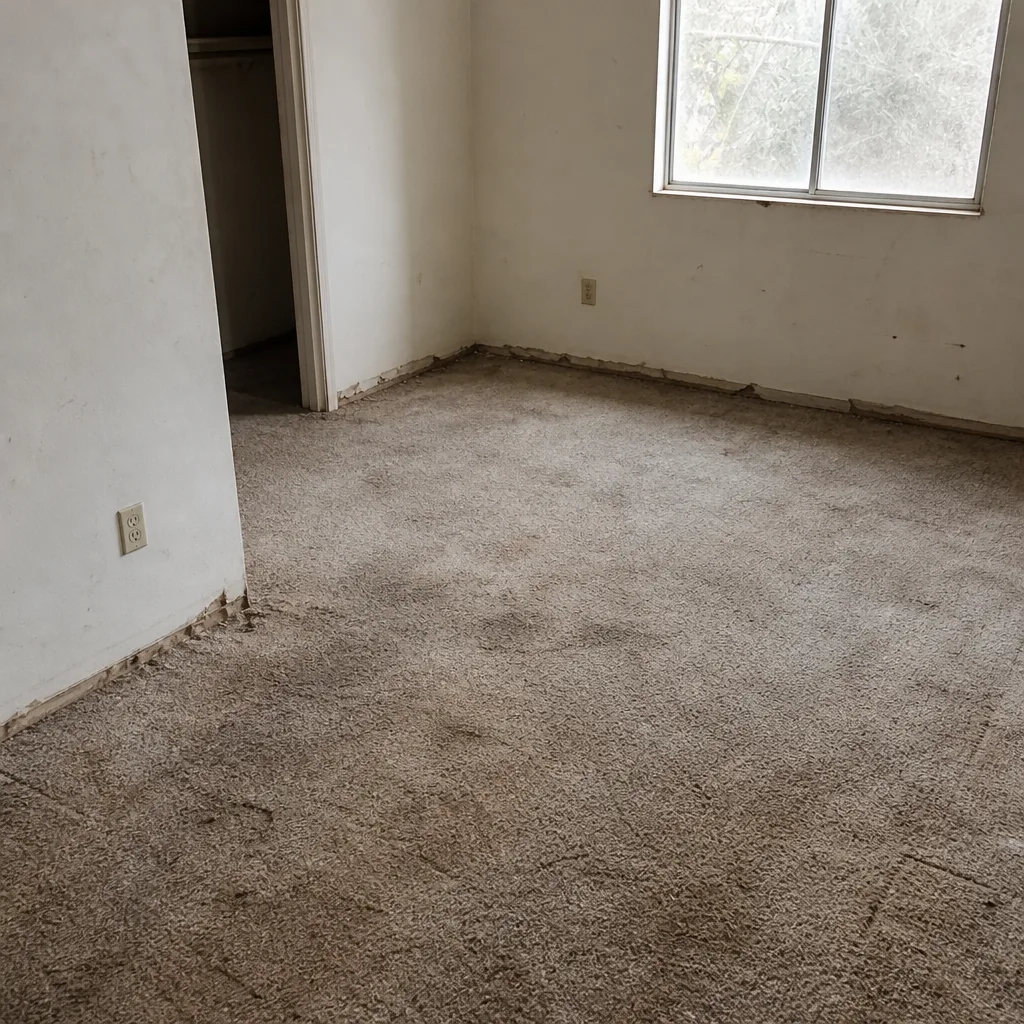
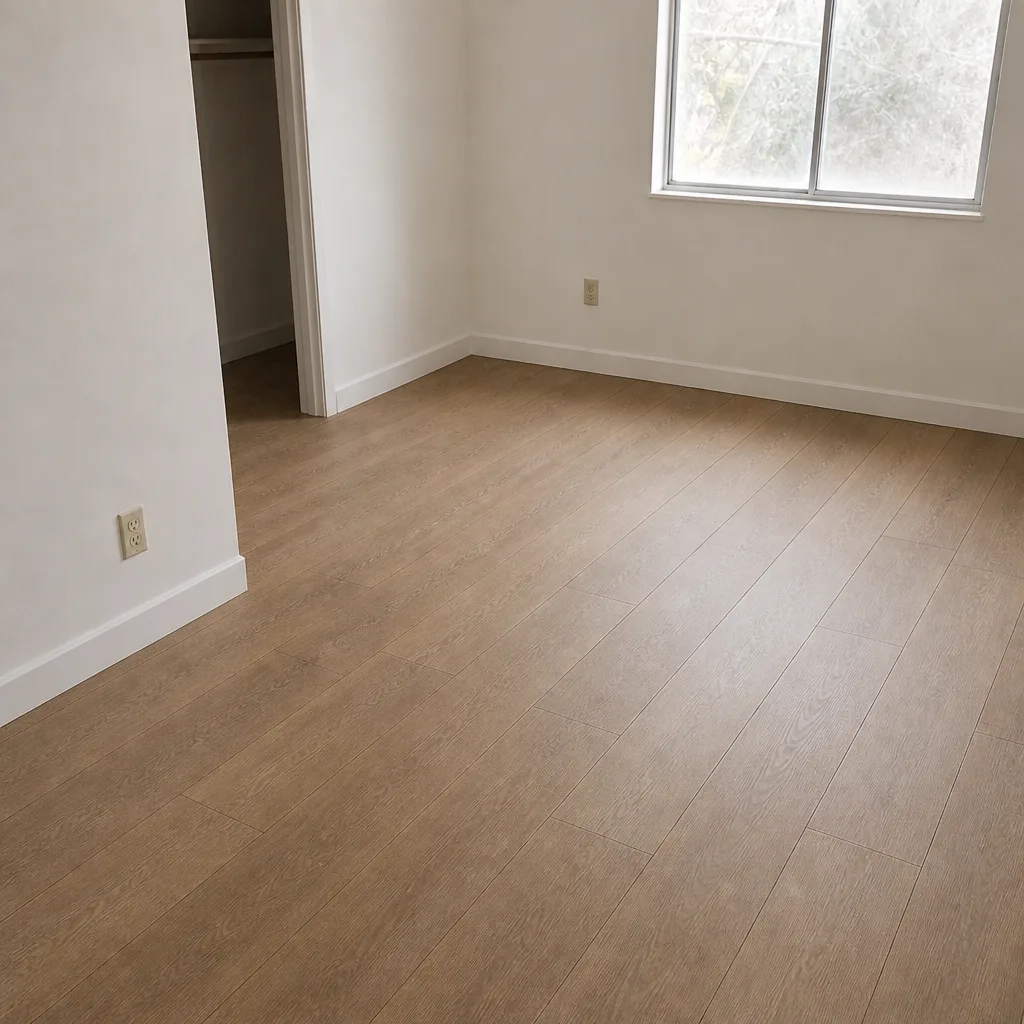
See the difference
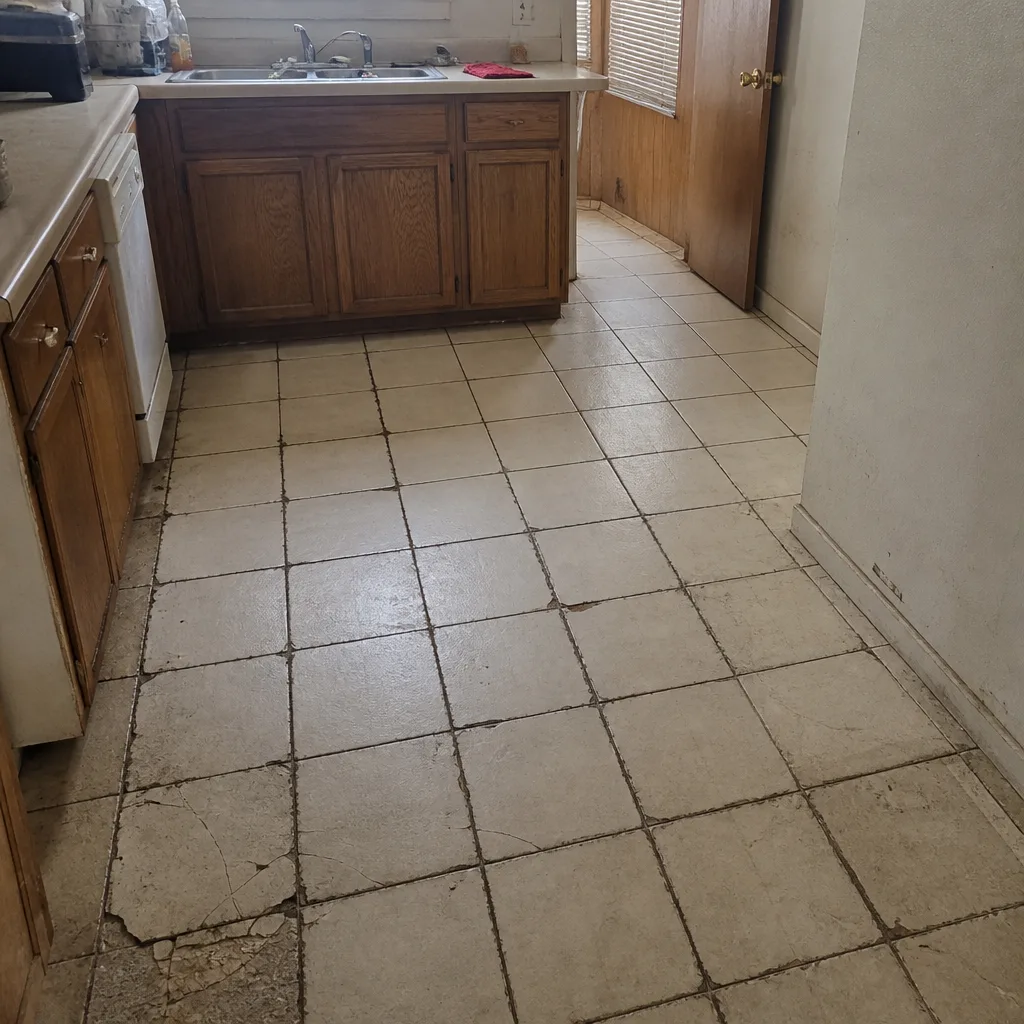 Before
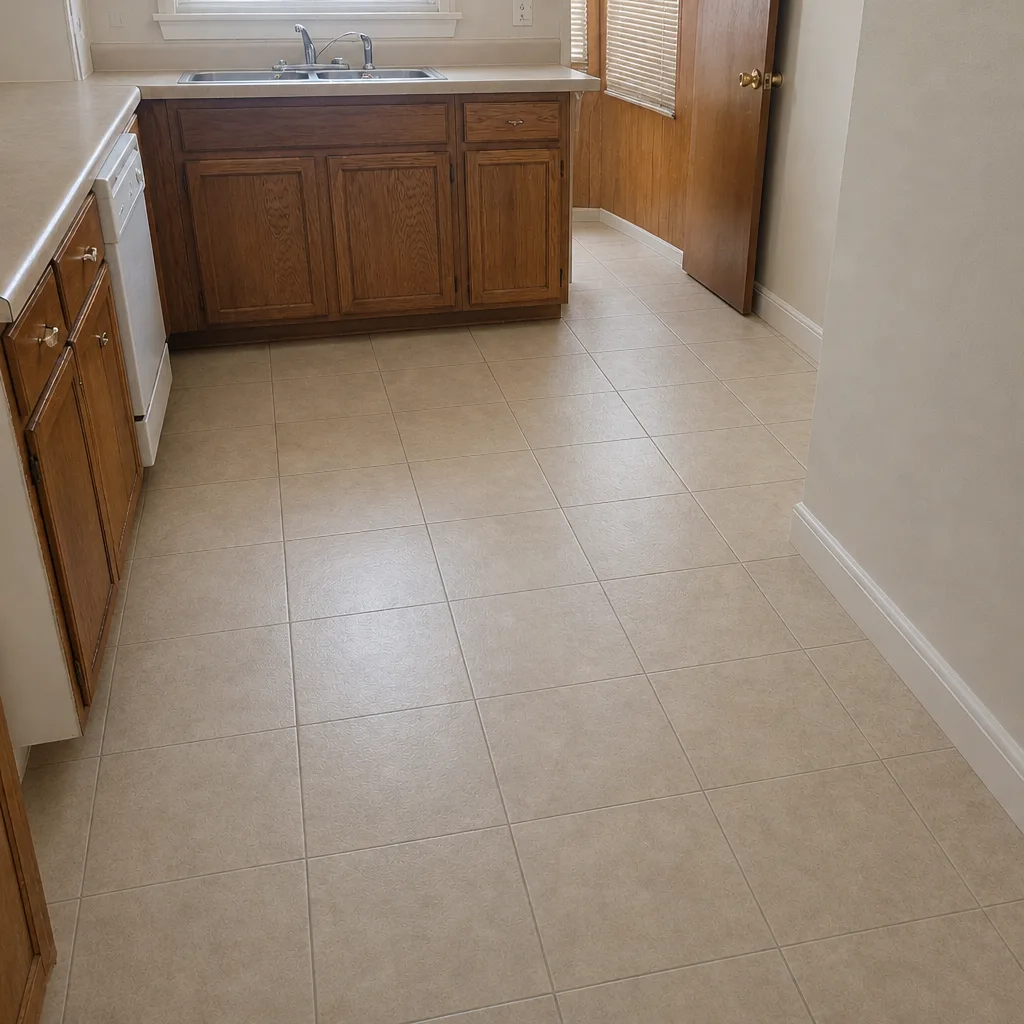 After
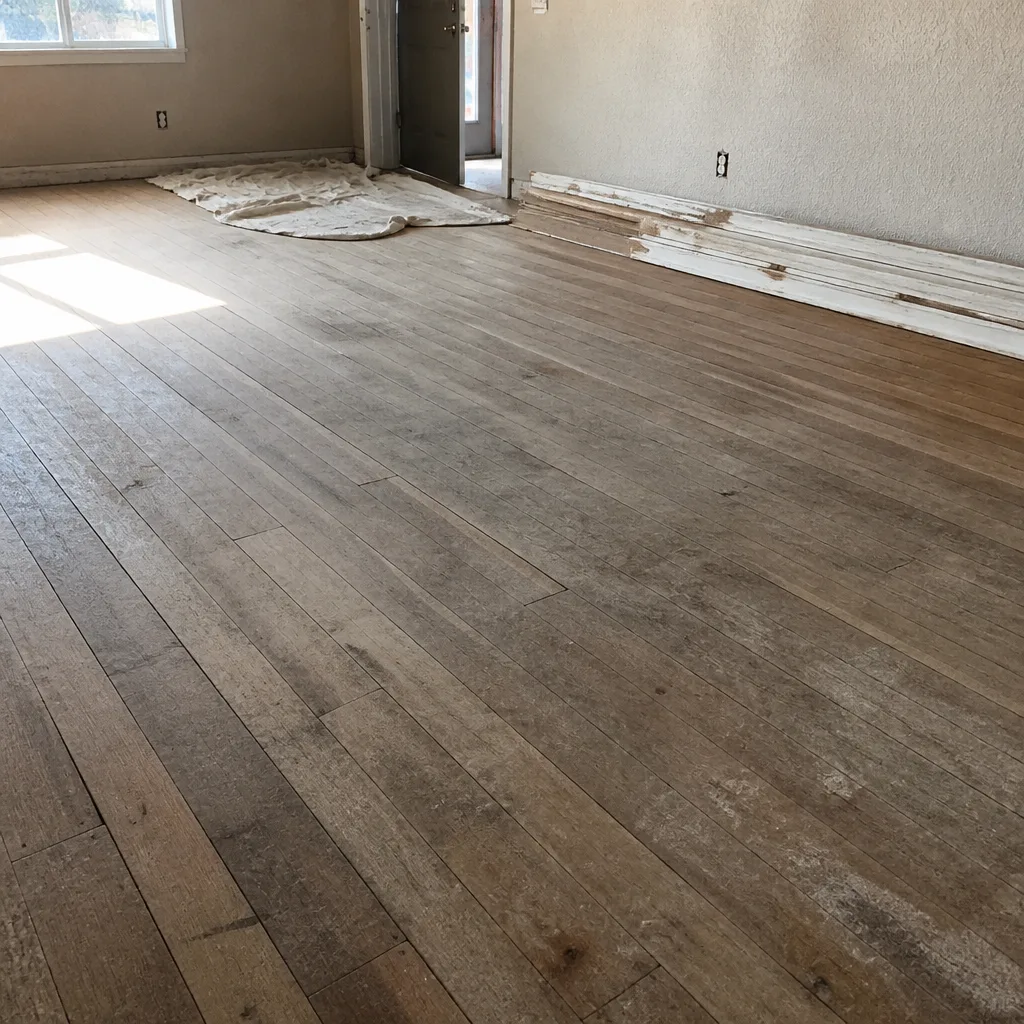 Before
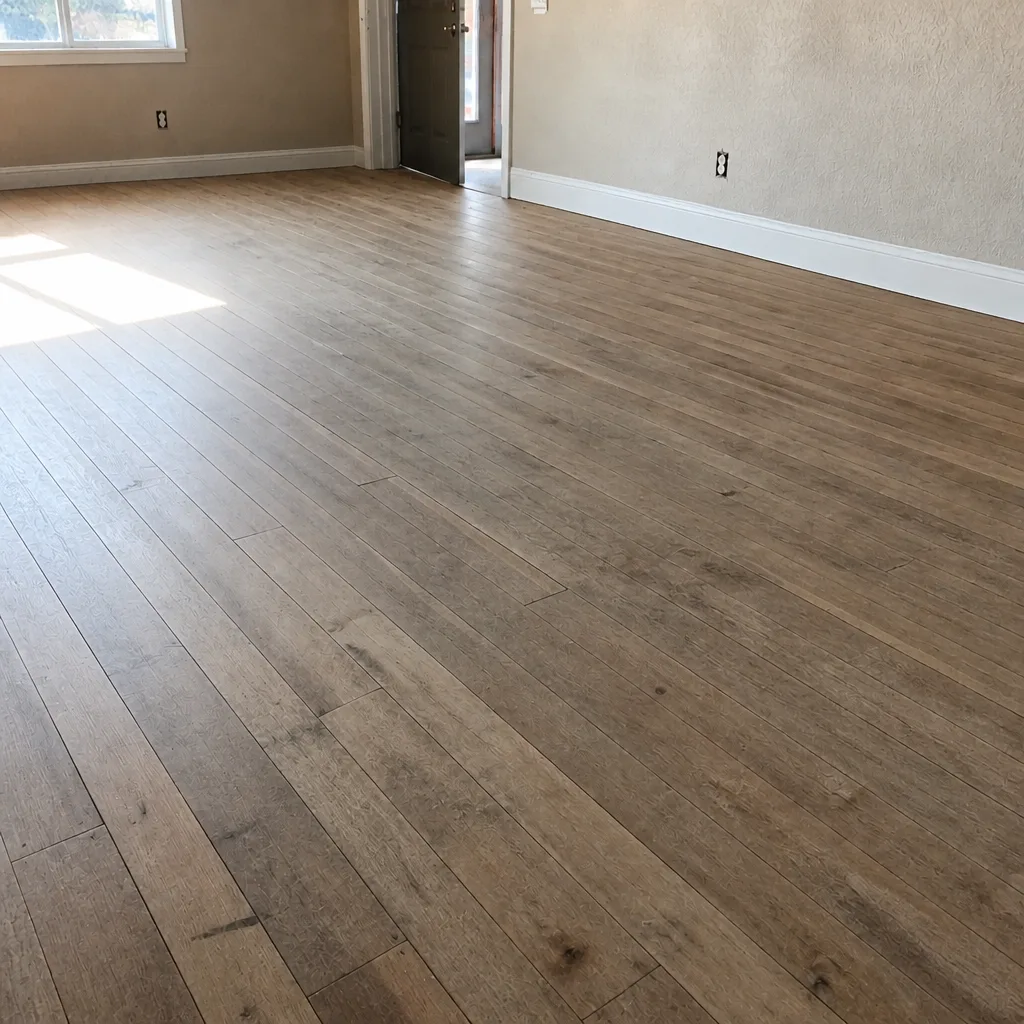 After
 Before
 After