
Last updated November 17, 2026
 Hardwood
 Engineered hardwood
 Luxury vinyl plank
 Laminate
 Porcelain tile
 Carpet
 Shaw
 Mohawk
 COREtec
 Pergo
Free in-home measure and written estimate: Shaw, Mohawk, COREtec and Pergo lines compared on your own rooms, with carpet, tile, vinyl plank, laminate and hardwood laid out side by side
Get your free estimateFlooring Installation Questions to Ask Before You Sign
“What’s your warranty?” sounds like a thorough question. It usually isn’t. The answer you get back could mean the company stands behind the installation for a decade, or it could mean they hand you a manufacturer’s brochure and disappear. Those are two entirely different levels of accountability, and the difference only shows up when something goes wrong. The moment before you sign a flooring contract is the last point where you still have real leverage. After that, you’re relying on whatever the paperwork says. This guide gives you the exact questions to ask in Boulder City so you sign with a contractor who will actually pick up the phone in month three.
Quick Answer
Ask these five questions before signing any flooring contract: (1) Is the warranty yours or the manufacturer’s, and who do I call if something fails? (2) Who is financially responsible if subfloor problems are found mid-job, and is that in the contract? (3) Have you confirmed material stock, or are you quoting from a catalog? (4) Will your own installers do the work, or a subcontracted crew? (5) What does the punch list and 30/60/90-day follow-up look like in writing? If a contractor can’t answer all five clearly and put the answers in the contract, keep shopping.
Styles & brands we work with
- Hardwood
- Engineered hardwood
- Luxury vinyl plank
- Laminate
- Porcelain tile
- Carpet
- Shaw
- Mohawk
- COREtec
- Pergo
Table of Contents
- Who Backs the Warranty: You or the Manufacturer?
- Who Pays If the Subfloor Turns Out Wrong?
- Lead Times and Whether the Material Is Actually in Stock
- Will the Crew Be Theirs or a Subcontractor’s?
- Disposal, Daily Cleanup, and What “We’ll Handle It” Really Means
- The Punch List and the First 90 Days After Install
- Boulder City Climate and Flooring Choices That Hold Up
- Reading the Contract Before You Sign
Who Backs the Warranty: You or the Manufacturer?
The right follow-up to “what’s your warranty?” is: “Is that your warranty or the manufacturer’s warranty, and who do I call?” Most homeowners never ask that second half. It’s the difference between a general contractor acknowledging responsibility for the installation and a manufacturer covering only defects in the material itself.
Those are separate promises. A manufacturer’s warranty typically covers the product. A workmanship warranty covers the installation, which includes things like how the subfloor was prepped, how the seams were joined, and whether the floor was allowed to acclimate per the product’s instructions. If the floor fails because of a bad install, the manufacturer’s warranty usually won’t help you. That’s the workmanship side. And if the workmanship isn’t in writing from the contractor, there’s nobody left to call.
Here’s what to ask, in order:
- Is there a workmanship warranty, and how long does it run?
- Is it transferable if you sell the house?
- Who is the point of contact for a claim, and what’s the process?
- Do you have a sample of the written warranty I can read before signing?
- Does the warranty cover the specific product line being installed, or just the brand generally?
Any legitimate contractor will hand you the written warranty without blinking. If the answer is “we’ve never had a problem” or “it’s all covered,” ask them to point to the clause. Vague reassurance is not a warranty.
Product brands and warranty paperwork
When you choose a Shaw or Mohawk carpet, a Karndean luxury vinyl, or a Daltile tile, each manufacturer publishes its own warranty terms. Read them. They vary considerably by product line, and the contractor’s job is to match you with a product whose coverage fits how you actually live. In Boulder City, where homes take a lot of sun and dry heat, the material selection itself affects which products are a sensible fit. We install the floor you choose; we’re clear about what the manufacturer covers and what our installation side covers, so there’s no confusion after the fact.
Who Pays If the Subfloor Turns Out Wrong?
This is the question that separates careful contractors from the ones who learned the hard way. Almost every flooring job starts with assumptions about the subfloor. Concrete slab or wood subfloor, moisture level, flatness, old adhesive residue – all of it matters, and any of it can surprise everyone once the old floor is up.
The right answer is a written clause, not a verbal promise. Here’s what the contract should say:
- Who is responsible for verifying subfloor condition before work begins.
- How subfloor repairs are priced if they’re discovered mid-job (flat fee, hourly, or change order with your written approval).
- What triggers a pause in the job until you sign off on the additional cost.
- Whether the original estimate is held open if you decline the repair.
If any of those is missing, you’re exposed. The verbal promise “we’ll figure it out” is worth nothing when the crew has torn up 400 square feet of old carpet and standing there waiting on your approval of a change order.
A good contractor will inspect the subfloor before quoting, so the written estimate reflects what’s actually under the existing floor. If that inspection can’t happen until materials are removed (which is the case for whole rooms), the estimate should say so and include the mechanism for handling what they find. In Boulder City’s dry climate, slab moisture can still be a factor – concrete wicks moisture differently than a wood-frame floor, and a contractor who doesn’t check is guessing.
Ask specifically: “What’s your process for handling a subfloor issue you didn’t anticipate, and is that written in my contract?” The answer tells you whether you’re signing with someone accountable or someone hoping everything goes well.
Lead Times and Whether the Material Is Actually in Stock
“We can usually get that in a couple weeks” is not a lead time. It’s a guess. Real lead times come from a supplier’s system, not a catalog. When you call or sit down with a contractor, ask the question this way: “Have you confirmed this specific SKU is available, or is that an estimate based on the catalog?”
The distinction matters because the flooring industry is not Amazon. Some products sit in regional warehouses. Others are ordered from the manufacturer after the contract is signed and arrive in their own time. Some tile lines have periodic backorders. If your install date depends on a specific product, you want to know where it actually is, not where it usually is.
Questions to press on:
- Is the product in a local or regional warehouse right now, or is it a made-to-order item?
- What happens if the material arrives short or damaged – who bears the cost of the delay?
- If the product can’t be delivered before install, does the contract allow re-scheduling, and at whose cost?
- Can you show me the specific color, pattern, or dye lot being ordered?
- Does this product have a matching trim and transition inventory, or is that a separate order?
Dye lots matter for tile and carpet. Two batches of the same tile line can color-shift slightly, which means if you run short you may not be able to match the batch on a re-order. Any contractor who doesn’t mention dye lots for tile or carpet has probably never run into the problem on your behalf. A real flooring specialist will bring it up themselves before you ask.
Will the Crew Be Theirs or a Subcontractor’s?
It’s a fair question, and the answer affects both quality and warranty. Ask directly: “Will the people who show up at my door be your employees or a subcontracted crew?” Neither answer is automatically bad, but you deserve to know which one you’re getting.
If the installers are the contractor’s own, the warranty chain is simpler. The company is responsible for the installation, the same people who installed it are on the hook for fixing anything that’s wrong, and the person managing the job has an employment relationship with the people doing the work. If the installers are a subcontracted crew, the accountability can still be strong, but it depends on how the contractor vets and supervises their subs. A flooring specialist who’s been running crews for years knows who does good work and who doesn’t.
Follow up with:
- How long has this crew been installing the specific type of flooring going in? (Carpet, tile, and hardwood each have their own skills.)
- Is there a job foreman on site, or does the crew self-manage?
- What happens if something’s installed wrong – who negotiates with the installer to redo it?
- Are the installers covered by the contractor’s liability and workers’ comp, or is that a separate risk?
Tile is the sneaky one. Carpet-first shops frequently subcontract tile out, which means the tile work is only as good as whoever they found that month. A specialist like Daltile brings dedicated knowledge. At Boulder City Flooring, we treat carpet, tile, and hardwood as distinct disciplines that live under the same roof, so you’re not coordinating three separate trades for a whole-home refresh – one contractor, every floor.
Disposal, Daily Cleanup, and What “We’ll Handle It” Really Means
“We’ll haul it away” is one of the most misused sentences in the industry. The question underneath it is: at what cost, and on what day? The old flooring has weight, volume, and a disposal fee. A contractor whose verbal promise is “we’ll handle it” is leaving three things ambiguous: what’s included, when the old material leaves your property, and who pays the dumpster fee.
Pin down, in the contract:
- Is removal and disposal of the old flooring included in the estimate, or quoted as a line item?
- Where will old material sit between tear-out and pickup – in your driveway, in a dumpster, or hauled that day?
- Who supplies and pays for the dumpster (if one is used)?
- Will the crews remove old carpet tack strip and staples, or only the visible carpet?
- What’s the daily cleanup commitment – sweep, vacuum, and haul debris – and is it in writing?
- How are hallways, doorways, and rooms protected during the job?
- Is furniture moving included, or does the homeowner need to clear the room first?
The daily cleanup commitment is the one most people forget to put in writing. A crew that vacuums at the end of every day and removes all debris is very different from one that leaves exposed tack strip in a hallway for a week. You shouldn’t have to point out that trip hazard yourself, and you shouldn’t have to call three times to get the debris moved.
In Boulder City homes with a lot of sun-facing windows and single-story layouts, tape and protection on adjacent flooring is more critical than it looks. Sun-exposed vinyl and wood can react to tape residue. Ask what protection the crew uses and whether they’ve worked with your existing floor type.
The Punch List and the First 90 Days After Install
Every install has a punch list. The only question is whether it’s written down and agreed at the walkthrough, or whether you’re supposed to notice problems on your own next week. Before the crew pulls out, walk the floor with the job lead and write down everything that isn’t what you expected: transitions that don’t sit flush, a grout line that’s a hair wide, a seam in the carpet that shows a little more than you like when the light hits it. Write it down. The list signs off.
Then ask:
- What’s the process for items on the punch list to be corrected, and by when?
- Is there a written final walkthrough document I sign?
- Who’s my point of contact if I notice something in the first 30 days, at 60, at 90?
- Is there a callback timeframe promised in writing?
- What’s the process if I need warranty work in year two or year five?
A flooring install is a physical installation in your home. It’s normal for small things to surface in the first few weeks: a grout line that settles, a transition edge that lifts, carpet pile that “blooms” slightly where it was stretched. What you’re testing with these questions is whether the contractor expects those calls and has a system to handle them, or whether the relationship ends the moment the check clears.
Boulder City Climate and Flooring Choices That Hold Up
Boulder City is desert. Dry air, intense sun, big temperature swings between day and night, and a lot of concrete slab floors in the homes around town. That combo drives material choices more than people realize, and it’s the reason a good contractor asks about the room, the windows, and the sun exposure before recommending a product.
Here’s how it plays out in practice:
- Carpet in a sun-baked room can fade faster than in a shaded interior room, so fiber selection matters. Shaw and Mohawk offer a range of solution-dyed fibers that hold up better to UV exposure, and this is worth discussing at the estimate.
- Tile is the friendliest for Boulder City heat because it doesn’t expand and contract much and handles sun and slab movement well. It stays cool, which matters in summer. It’s also the most forgiving on slab moisture.
- Hardwood can expand and contract in a desert climate with seasonal humidity swings, so acclimation and gap tolerance matter. This is a conversation to have at the estimate, not on install day.
- Luxury vinyl like Karndean and COREtec is stable in heat and its rigid core handles minor slab variation better than some alternatives.
Energy codes, HOA rules, and permit requirements vary by the specific job and home. If your project involves cutting into the slab, moving any structural element, or anything beyond a straight replacement of flooring material, ask your city’s building department whether a permit is required. That’s a question for your city, not your flooring contractor, but a good contractor will tell you when to ask it.
Reading the Contract Before You Sign
Most flooring contracts are short – a page or two – and that brevity is part of why homeowners miss things. Read every line before signing, and walk through these checkpoints:
- Scope. Every room, every product, every transition, every trim piece named. “Install flooring in living areas” is not a scope. “Install Shaw carpet in three bedrooms and the hall, with Karndean luxury vinyl in the entry” is a scope.
- Product specifics. Brand, product line, color name, and SKU or lot number. Not “tile.” Actual tile.
- Subfloor clause. Who verifies, who pays for additional work, how it’s approved.
- Timeline. Start date window, install duration, and how delays beyond the contractor’s control are handled.
- Warranty. Whose warranty, what’s covered, how long. Written, not verbal.
- Payment schedule. What’s due at signing, at delivery, and at completion. Legitimate contractors don’t demand full payment upfront.
- Change-order process. What triggers a change order and how you approve it in writing.
- Cancellation. What happens if you need to reschedule or cancel, and any cost to you.
If any of those is blank or hand-waved, ask for it in writing before you sign. A contractor who resists putting something in writing isn’t protecting you from paperwork; they’re protecting themselves from accountability.
Common Mistakes to Avoid
- Signing without a subfloor clause. Subfloor surprises are the most common cost overrun in this industry, and if the contract is silent on who pays, you pay. Insist on a written change-order process before signing.
- Accepting a verbal warranty. “We’ll take care of it if something fails” is not enforceable. Warranty terms should live in the contract, and the workmanship warranty should be separate from the manufacturer’s product warranty.
- Not confirming stock before picking an install date. Catalog availability is not actual availability. Ask whether the specific SKU and dye lot are confirmed, not estimated, before the install date is set.
- Skipping the crew question. If the installers aren’t the contractor’s own, you still deserve the accountability chain in writing. Know who’s on the job and who backs the work.
- Leaving disposal and cleanup ambiguous. “We’ll handle it” is a phrase to interrogate. Get it in the contract with a specific line item, and ask what daily cleanup commitment gets made.
- Hand-waving punch list and 90-day follow-up. A floor that’s installed wrong usually shows signs in the first month. A contractor with a real punch-list process makes that easy; one without makes it hard.
- Ignoring the climate fit. In Boulder City, a product that performs well in a humid climate may not be the best choice here. The contractor should ask about sun exposure, slab construction, and room usage before recommending a product.
When to Call a Professional
Some projects are genuinely DIY-friendly – a single small closet, a bathroom vanity surround, a loose transition piece. But the moment the project involves more than one room, any subfloor repair, a slab, or coordination between carpet and tile in the same home, the calculation shifts. Installing carpet over a problem subfloor, or setting tile over a slab that hasn’t been checked for moisture, is where homeowner projects go wrong, and the fix is more expensive than the original job would have been.
Same story for hardwood refinishing. Refinishing an existing floor is a very different job than installing a new one, and if the wood can’t be sanded down without risking the wear layer, DIY is not the right path. That’s a conversation to have with a specialist who both installs new floors and refinishes existing ones – so you can compare “restore what’s there” against “replace it” with real information instead of guesswork.
Boulder City Flooring offers free estimates in Boulder City for carpet installation, tile flooring installation, and hardwood refinishing. Call (844) 560-5320 to schedule yours. We answer 24/7. Fast dispatch from 7am to 7pm, Sunday through Friday. The written estimate sets the final price, and there’s no cost to get one.
See the difference
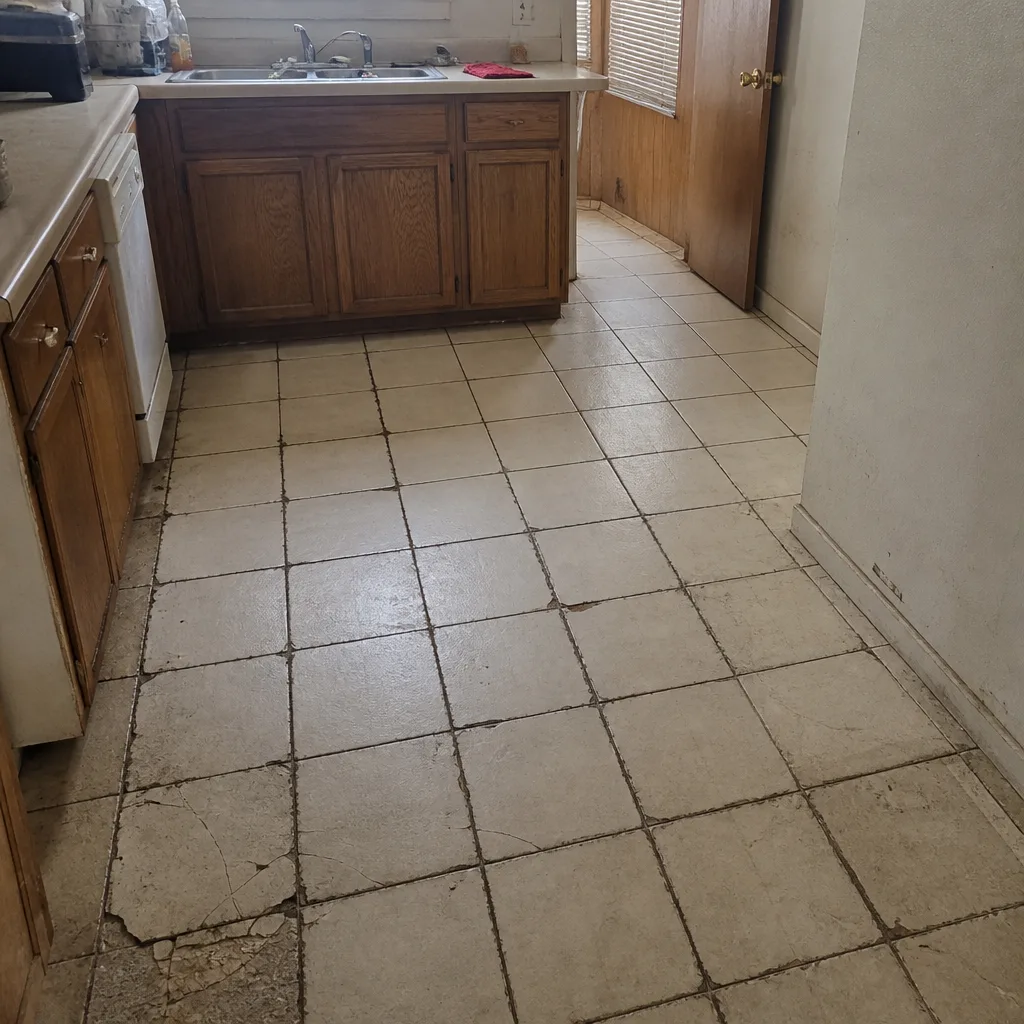 Before
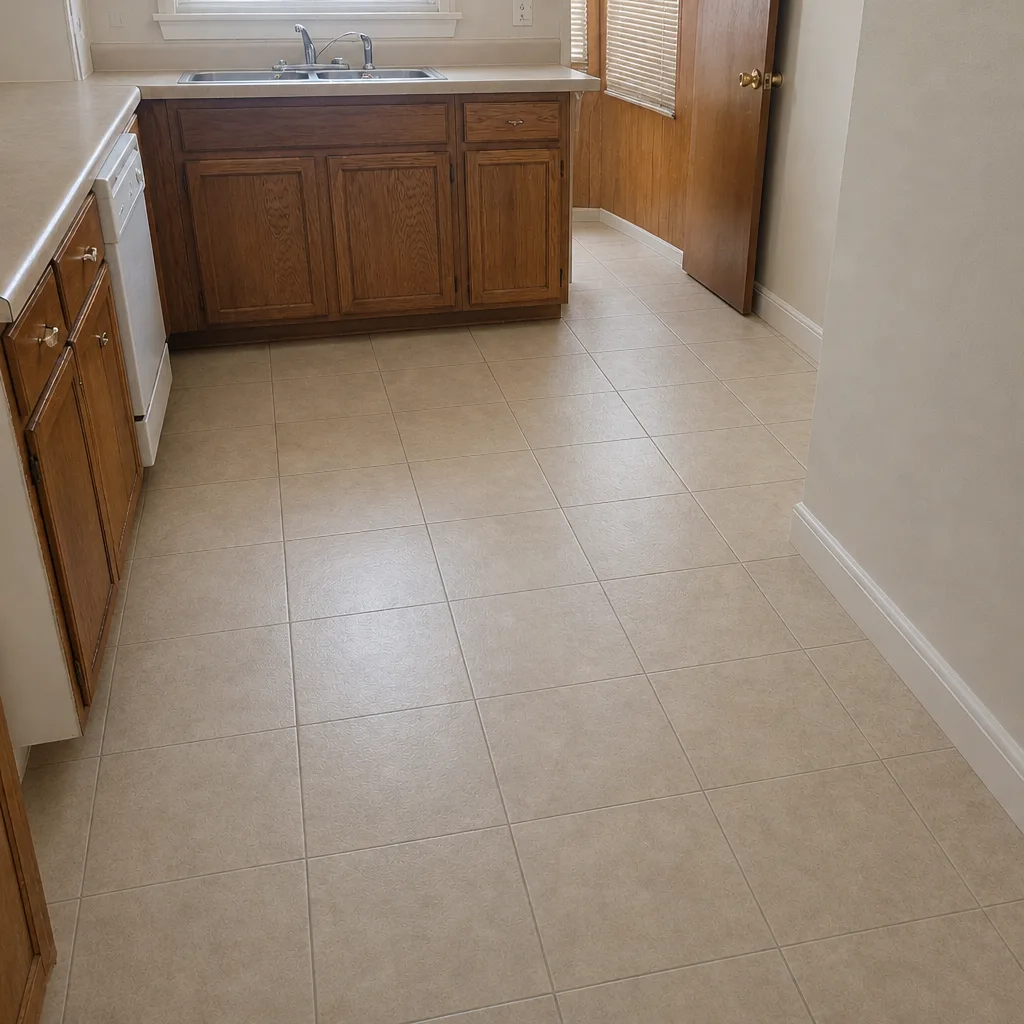 After
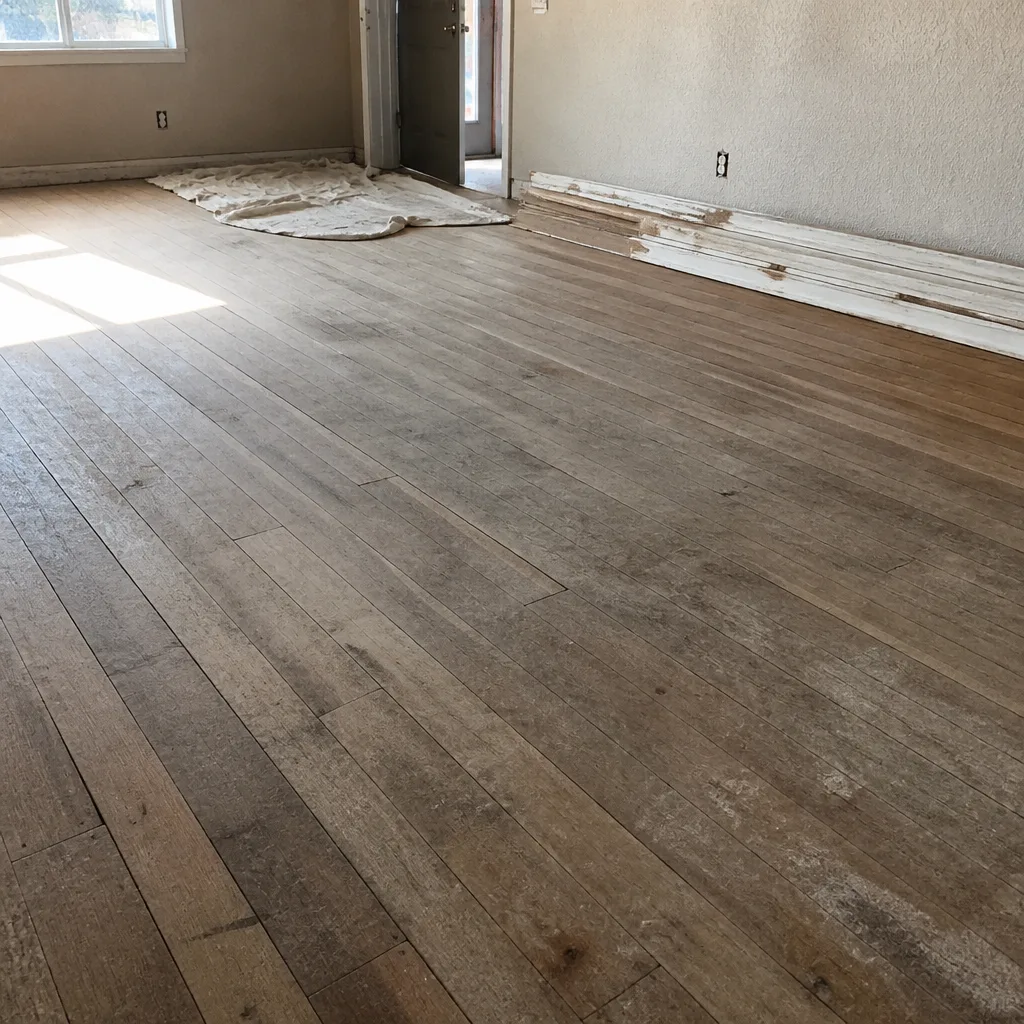 Before
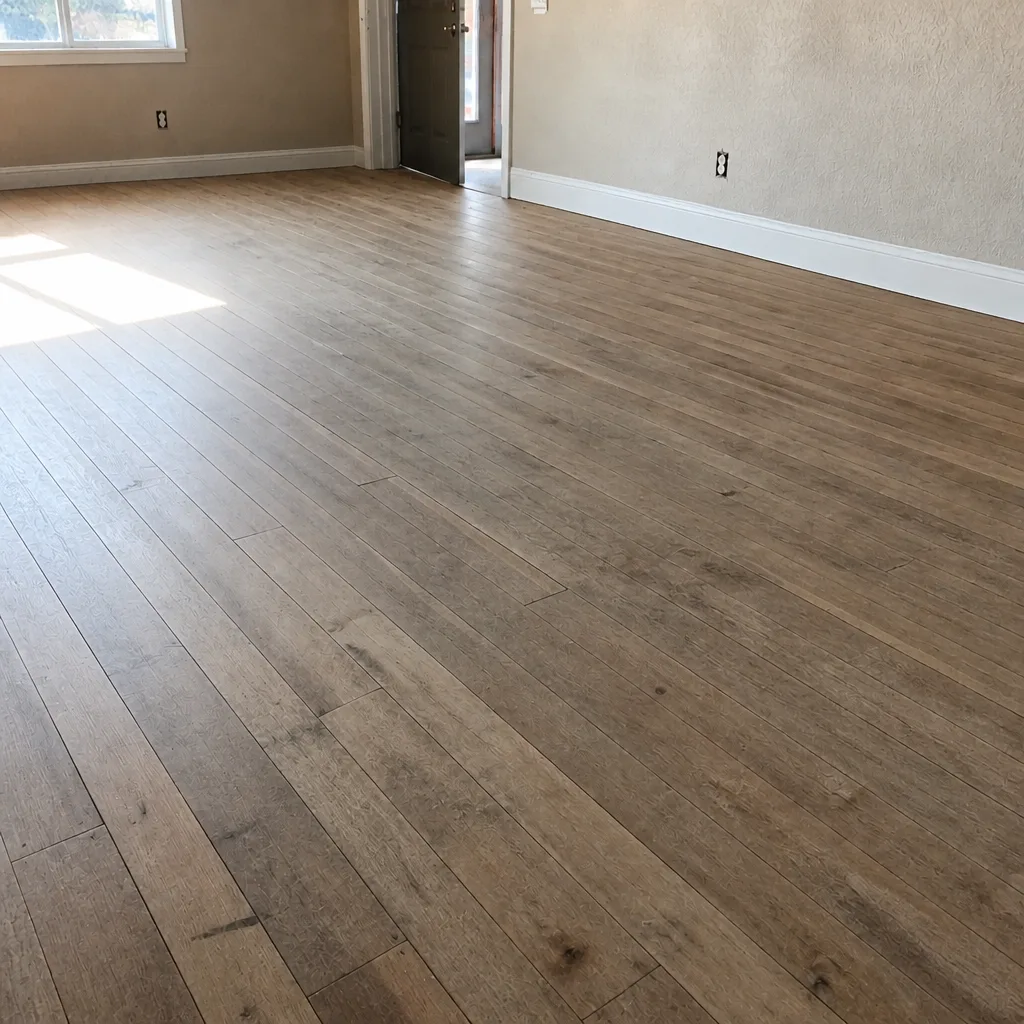 After
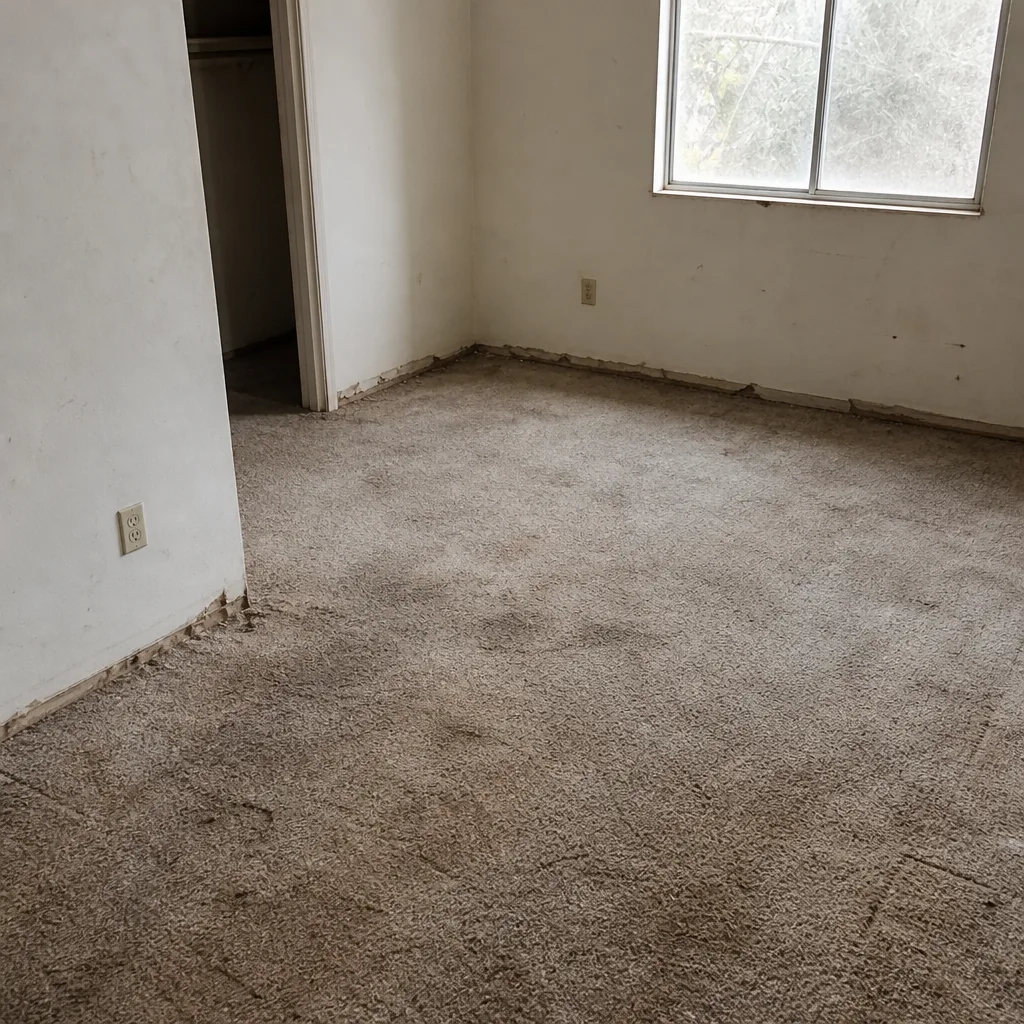 Before
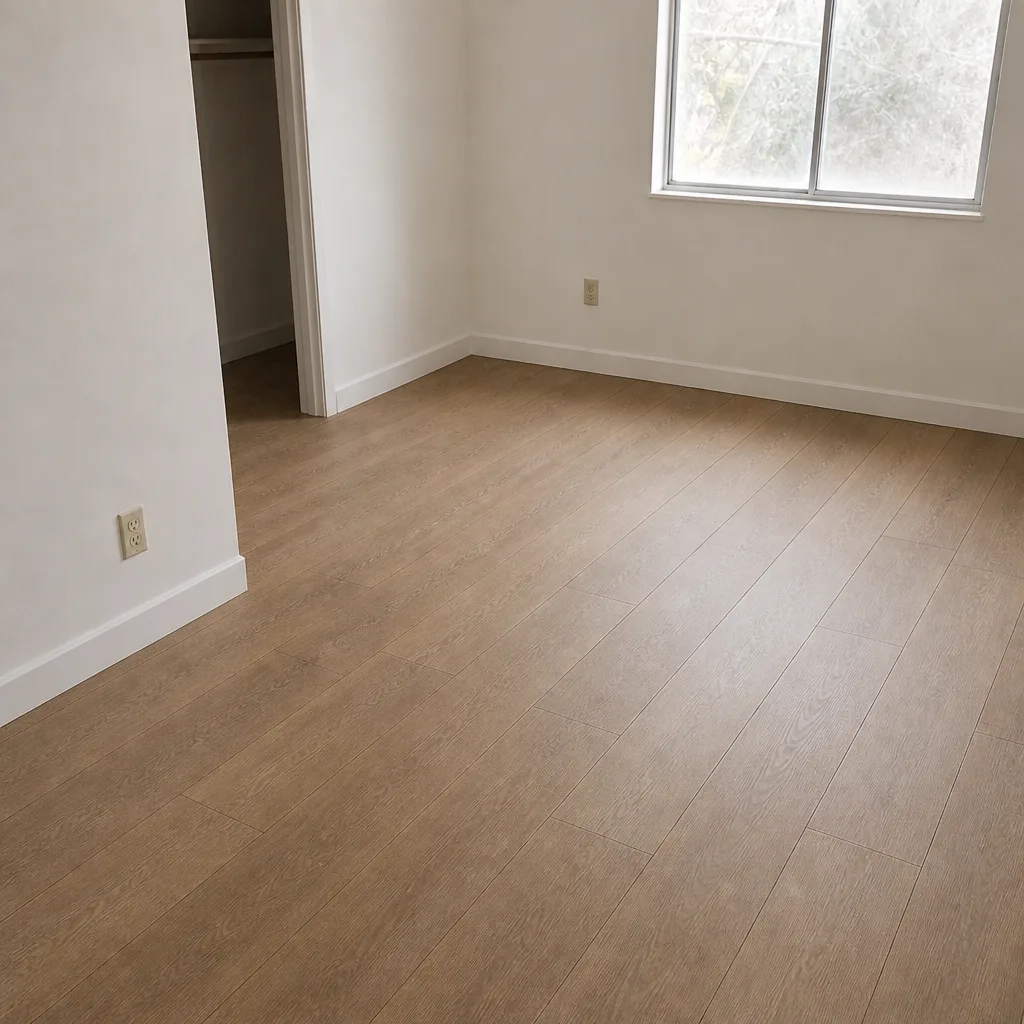 After
Frequently Asked Questions
Ask them to show you the written warranty document. A workmanship warranty is issued by the contractor and covers the installation; a manufacturer’s warranty is issued by the product brand and covers the material itself. Both should be separate, both should be written, and you should have a copy of each before you sign. If the contractor can’t produce both, that’s your answer – there’s no real workmanship coverage. Call (844) 560-5320 to ask us about our warranty paperwork in plain English – estimates are free.
It depends entirely on what the contract says. A good contract states who is responsible for verifying subfloor condition, how repair costs are calculated if discovered mid-job, and how you sign off on the additional work before it proceeds. If that clause is missing, the cost usually lands on you. Ask for the clause in writing before signing, and if the contractor won’t provide one, keep shopping. Call (844) 560-5320 for an estimate that addresses subfloor condition upfront.
Yes, and the answer affects both quality and who you call if something goes wrong. In-house crews mean a direct employment relationship between the contractor and the installers, which simplifies warranty work. Subcontracted crews can still deliver good work, but the accountability chain is longer – ask how the contractor vets and supervises the crew, and who handles rework if something is installed wrong. Call (844) 560-5320 and ask us directly about our process.
It depends on material, square footage, subfloor condition, and how many rooms are being done at once. The schedule is set at the estimate – a free in-home measure first, then a written price, then a booked install date. We don’t give timeline ranges over the phone because doing so would be guessing, and you deserve a real answer. Call (844) 560-5320 to schedule the estimate and get a timeline that reflects your actual project.
Straightforward replacement of flooring material usually does not require a permit, but anything beyond that – cutting into a slab, moving structural elements, or altering plumbing and electrical under the floor – can require one. The right answer comes from your city’s building department, not from anyone on the phone. Ask them before the job starts, and a good contractor will tell you when to ask. Call (844) 560-5320 for a free estimate and we’ll flag anything that needs a city review first.
Call your contractor’s warranty line and put the issue in writing – an email with a photo is best. A serious flooring company expects those calls and has a process to handle them. What you’re testing with the “who do I call in 90 days” question at signing is whether that system exists. If it does, the fix should be quick; if it doesn’t, you find out fast. Call (844) 560-5320 for a free estimate – we’ll explain our post-install process before you sign.
The Bottom Line
The contract-signing stage is the last moment you can change the terms. After signing, you’re relying on whatever was written down, and verbal promises evaporate quickly. The five questions that matter most: is the warranty yours or the manufacturer’s, who pays for subfloor surprises, how do you actually confirm the material is in stock, will the crew be theirs or a subcontractor’s, and what does the punch list and follow-up process look like in writing. Get all five answered in the contract, and you’re on solid ground. Skip them, and you’re trusting the phrase “we’ll take care of it” – which is not the same as having it in the paperwork. Start the conversation with Boulder City Flooring and ask us the hard questions first.
Where to Start in Boulder City
If you’re planning a carpet, tile, or hardwood project in Boulder City, the estimate is the right place to start – not because you have to commit, but because that’s where the hard questions get answered. We install and service flooring across the full range of brands, including Shaw and Mohawk carpet, Karndean and COREtec luxury vinyl, and Daltile tile, and we refinish existing hardwood alongside new installations, so you’re not coordinating three separate trades. Our technicians have up to 10 years of experience. The estimate is free, and the written price sets the final number. Call (844) 560-5320 to schedule yours. If you’d like to learn more about what carpet installation involves, read that page next.
Contact Us
Ready to have a real conversation about your flooring project? Call Boulder City Flooring at (844) 560-5320 for a free estimate. We answer 24/7. Fast dispatch from 7am to 7pm, Sunday through Friday. We’ll walk through the subfloor, the material options, and the warranty in plain language, and you’ll get a written estimate you can read before signing anything. Estimates are free, and the written estimate sets the final price.
Written by the team at Boulder City Flooring.