
Last updated November 17, 2026
 Hardwood
 Engineered hardwood
 Luxury vinyl plank
 Laminate
 Porcelain tile
 Carpet
 Shaw
 Mohawk
 COREtec
 Pergo
Free in-home measure and written estimate: Shaw, Mohawk, COREtec and Pergo lines compared on your own rooms, with carpet, tile, vinyl plank, laminate and hardwood laid out side by side
Get your free estimateHow to Prepare Your Home for a Flooring Installation in Boulder City
Most prep guides hand you a checklist for moving furniture. That’s the easy part. The problems that actually derail a flooring installation in Boulder City usually start two weeks earlier: a concrete slab that nobody checked for moisture, a house whose air conditioning gets switched off mid-project, or a stack of flooring that sat in a garage in July instead of inside where it belongs. If you want a smooth install, the work starts well before the first box gets opened. This guide walks you through the two weeks before installation, what to do with your HVAC, how to read your own subfloor, and how Boulder City’s desert climate changes the timeline you’ll read on the manufacturer’s box.
Quick Answer
To prepare for a flooring installation in Boulder City, clear the room and remove small items, keep your HVAC running at a steady temperature so materials can settle, test your slab for moisture about two weeks ahead, and document any cracks or uneven spots before the crew arrives. Confirm with your installer what furniture moving and appliance disconnection they handle and what stays on you. Book the job around the material’s acclimation needs rather than the other way around.
Styles & brands we work with
- Hardwood
- Engineered hardwood
- Luxury vinyl plank
- Laminate
- Porcelain tile
- Carpet
- Shaw
- Mohawk
- COREtec
- Pergo
Table of Contents
- The Two-Week Countdown: What to Do and When
- Acclimation in Boulder City’s Climate
- Managing Your HVAC Before, During, and After
- Reading Your Own Subfloor Before Install Day
- Boulder City Logistics: Heat, Deliveries, and Timing
- What to Move, What to Leave, and What to Ask
- Common Mistakes to Avoid
- When to Call a Professional
- Frequently Asked Questions
The Two-Week Countdown: What to Do and When
The two weeks before installation break into a clear sequence. Getting the order right matters because some steps take a day and others need time to settle. Here’s the sequence we walk our Boulder City customers through.
- Day 14 – Check your slab for moisture. Buy a test kit and place it where the new floor will go. Let it sit according to the kit’s instructions so you have a reading before the installer’s own check.
- Day 12 – Confirm the delivery date and where materials will sit. Flooring needs to be stored inside the home it’s going into, not in the garage or on the patio. Confirm with your supplier where the boxes will land so you can prep that space.
- Day 10 – Start clearing the room. Remove pictures, curtains, and outlet covers. Empty closets and cabinets that will sit under the new floor.
- Day 7 – Arrange furniture and appliance help. Decide what you’ll move and what your installer handles. Book a helper if you need one for a heavy piece.
- Day 5 – Set the HVAC schedule. Plan to keep the thermostat steady from here through a few days after install so materials settle in a stable environment.
- Day 3 – Snapshot any existing subfloor conditions. Photograph cracks, high spots, and stains so you have a record.
- Day 1 – Final clear-out. Remove anything left, sweep the floor, and confirm the HVAC is set.
If you’re installing carpet in a bedroom, the prep is mostly the same; if you’re laying tile, the subfloor check matters even more because tile has less tolerance for movement. Our tile flooring installation team builds the prep into the estimate, and so should anyone else you hire.
Acclimation in Boulder City’s Climate
Acclimation means letting the material adjust to the temperature and humidity inside your home before it gets installed. It matters everywhere, but Boulder City’s specific climate pushes the timeline in ways the manufacturer’s sheet doesn’t always spell out. Summer afternoons here run hot and bone-dry, and winter nights get cold enough to matter. That swing inside an unmanaged house is wide, and a floor that never settles into a stable environment can end up with tight seams, gapping, or a floor that isn’t lying flat.
Why the box instructions may understate things:
- Standard instructions assume a stable house. They’re written for a building that holds a fairly constant indoor environment. A Boulder City house with the AC off during the day and a door open to the patio is not that house.
- Extreme dry heat dries out every material faster. Wood and laminate shrink in dry heat, and yours may arrive from a warehouse that was more humid. The material needs time in the room it will live in.
- Concrete slabs can run warm in summer. A slab that has soaked up the day’s heat behaves differently than a slab in a cooler home. The flooring wants to sit in the room at your normal indoor conditions, not on a warm slab with nowhere to settle.
What to actually do: bring boxes inside the room where they’ll be installed, stack them with a little air between boxes so the stack can adjust, and leave the HVAC running at your normal seasonal setting. A Pergo or LifeProof product and a natural product will settle differently, and the product’s own instructions set the time. Ask your installer to walk you through the right window at the estimate instead of following a number on the carton without context. For carpet, acclimation is shorter but the room still needs a normal indoor environment before it goes down.
Managing Your HVAC Before, During, and After
Your HVAC is the workhorse of a good flooring install. A steady temperature and steady humidity keep the material stable, keep the adhesive and any finish behaved, and keep the crew from working in an oven in July. Here’s a workable approach.
- Before: Set the thermostat to a normal seasonal temperature and leave it there for several days before installation starts. If you have a programmable unit, keep one set point rather than letting it swing wide.
- During: Keep the system running while the crew works. If it’s summer, a comfortable setting keeps the crew productive and keeps materials from cooking. If it’s winter, a steady warm setting keeps the material from becoming brittle.
- After: Hold the same setting for a few days after install so the floor has time to settle without a sudden change. Then return to your normal routine.
If your HVAC needs servicing, do it in the week before, not the day after the floor goes in. A system that’s struggling and blowing warm air in summer won’t hold a steady temperature. Also think about airflow: if you’re refinishing hardwood, dust control and air movement work together, and a crew will manage that on the day. That’s another reason to ask the installer how they handle dust before the job starts. For homeowners replacing carpet after years of use, the room will feel different once the old carpet and pad are out, so a stable HVAC setting before the tear-out keeps the new material on solid footing.
Reading Your Own Subfloor Before Install Day
You don’t need to know how to install a floor to look at your subfloor. Walking the slab and jotting down what you see two weeks out means no surprise conversation on day one, and no extra charges you weren’t expecting. Here’s what to look at and how to record it.
- Walk the floor barefoot or in socks. Feel for high spots, dips, and soft areas. Mark anything that feels off with a piece of painter’s tape.
- Look at cracks and gaps. Fine hairline cracks in a concrete slab are common in Boulder City’s soil and temperature swings. Wider cracks or cracks that have lifted on one side are worth a closer look.
- Check for moisture clues. Discoloration, damp patches, or a powdery surface on the slab are signs to test. Use the moisture test kit and record the reading and the date.
- Photograph everything. Take a photo of each wall base, each crack, and the moisture reading. Save them on your phone. If a question comes up later, you’ve got a record.
- Check for old adhesive or stains. Especially in older Boulder City homes where carpet or vinyl came up, leftover residue can affect how a new floor bonds. Note where it appears.
- Look at door clearances. Open each door and see how much space is between the bottom and the floor. A thicker new floor can make a door drag. Note it so your installer can plan a trim.
What you shouldn’t do is try to fix the slab yourself. Leveling compound, patching, and moisture mitigation are jobs for a professional, and a subfloor problem handled wrong costs more to undo than to get right the first time. At the estimate visit, the installer checks these conditions and documents them, and the written estimate sets out any prep that’s needed. That’s the point where a phone photo and a note from you save a lot of back-and-forth. If your floors also need a refresh rather than replacement, hardwood refinishing is often the better answer, and it uses the same subfloor review before the sanding starts.
Boulder City Logistics: Heat, Deliveries, and Timing
A Boulder City flooring project runs on its own calendar, and it helps to know what that calendar looks like. The town’s desert location and distance from the larger supply hubs mean the two weeks before install is also the time to lock in delivery and staffing windows. Here’s what we see as the practical constraints.
- Summer heat changes the workday. On a hot July or August day, a crew will start earlier and may finish before the afternoon peak. That’s normal, and it’s why a room left with the AC off from morning to evening can become very warm quickly. Keep the cooling on.
- Delivery windows are wider than you’d expect. Flooring suppliers serving Boulder City typically schedule deliveries from their larger facilities, and a slot can shift. Confirm your delivery date a few days out, and keep the day flexible if you can. Have the drop-off spot cleared before the truck arrives.
- One day, not one hour. A flooring install isn’t a same-day drop-in. The room gets cleared, prepped, and installed over a booked day or schedule set at the estimate. Plan to be around for the delivery and the start.
- Parking and access. If boxes have to come up a set of stairs or through a narrow doorway, tell the installer before the day. It affects how the job is planned.
- Weather doesn’t stop the install, but it does inform it. There’s no rain-out here the way there is in wetter climates, so a Boulder City install can move forward on a clear day. The heat is the bigger scheduling factor.
If your whole home is getting new flooring, the project may run room by room rather than all at once, and the schedule is best agreed before the first box arrives. If you want flooring across carpet, tile, and hardwood with one point of contact, we handle that at Boulder City Flooring so you’re not juggling three separate trade contractors.
What to Move, What to Leave, and What to Ask
This is where more disputes happen than anywhere else on the job. Nobody wants to discover on install morning that furniture moving was never included. Clear it up at the estimate.
Plan to move yourself:
- Small furniture, lamps, boxes, and decor
- Items in closets and cabinets that will sit over the new floor
- Curtains, pictures, and outlet covers
- Fragile or valuable pieces you don’t want handled
Ask the installer in advance:
- Whether they move large furniture such as beds, sofas, and dressers
- Whether they disconnect and reconnect appliances (a fridge or washer may need to move for carpet or tile)
- Whether they remove the old flooring and haul it away, and who pays for disposal
- Whether they disconnect and reset toilet fixtures for a bathroom floor
- Whether they handle door trimming if the new floor raises the level
Get the answers in the written estimate. Anything not listed there may be billed separately on the day. That’s not a reason to suspect the installer. It’s simply how the job gets scoped fairly. Our technicians have up to 10 years of experience, and what gets included is set out clearly at the estimate stage so nothing surfaces late. The clean rule: if it’s not written down, ask, and if it’s still not written down, assume it’s not included.
See the difference
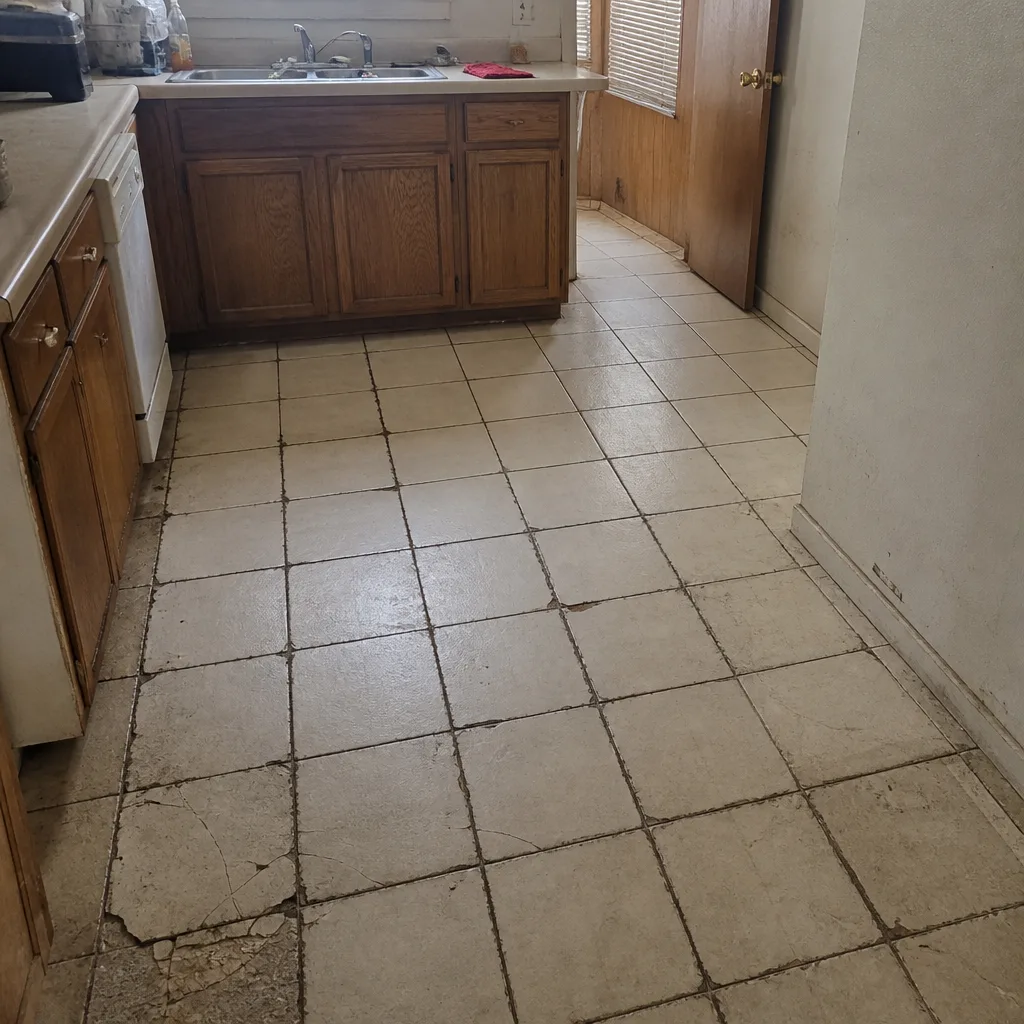 Before
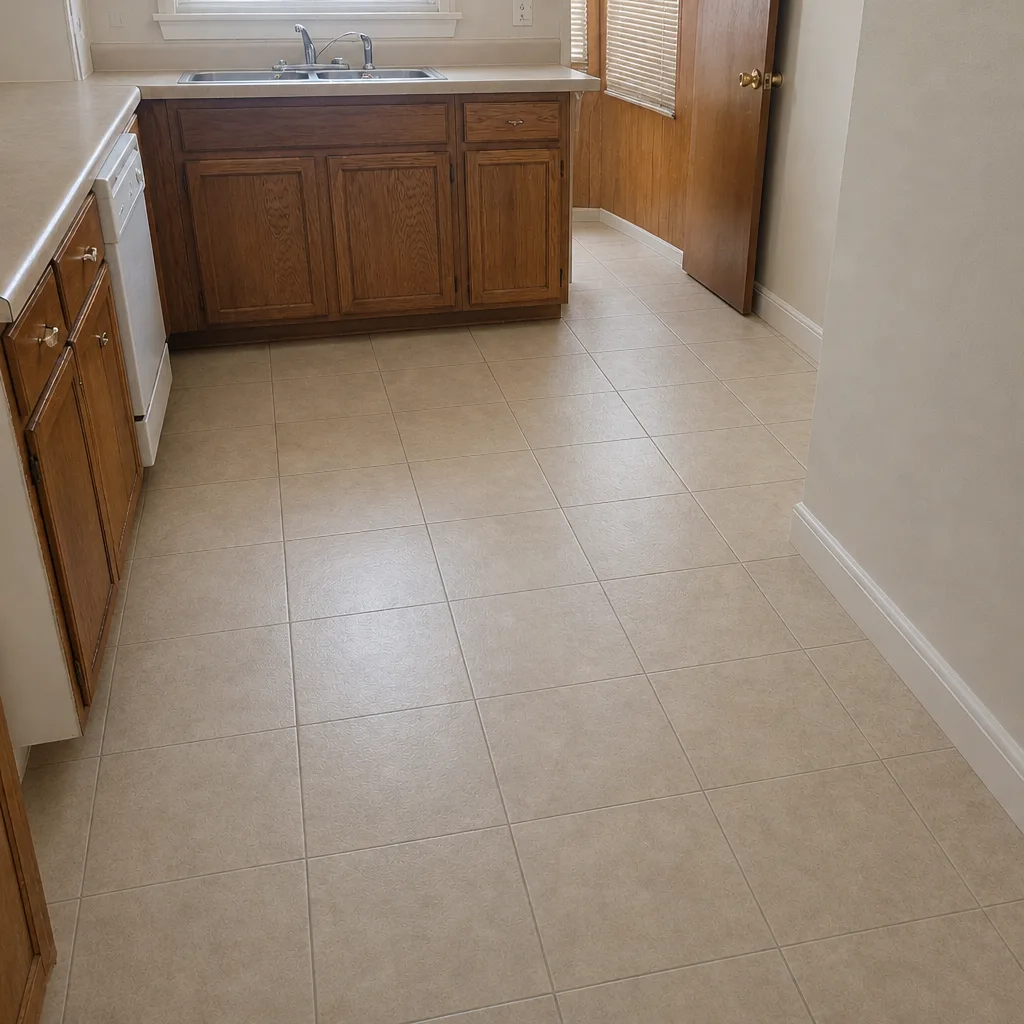 After
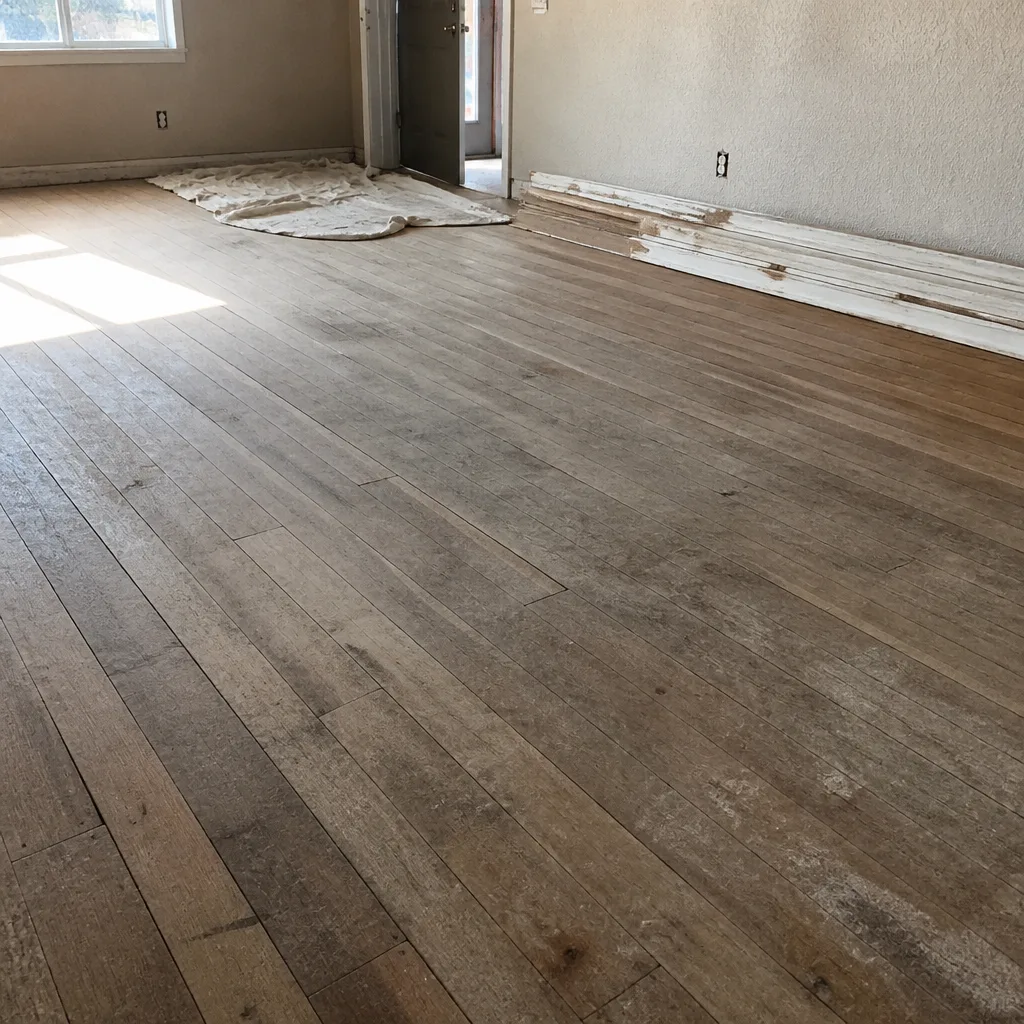 Before
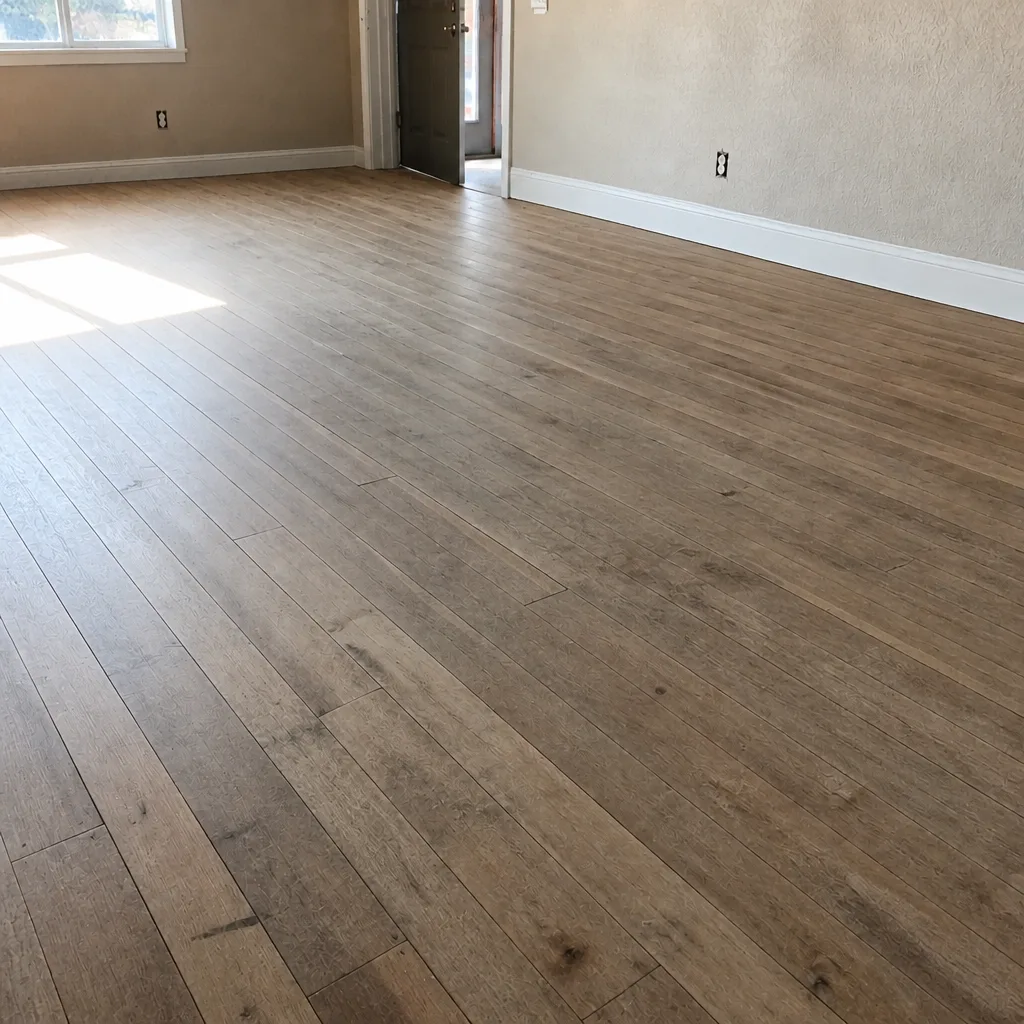 After
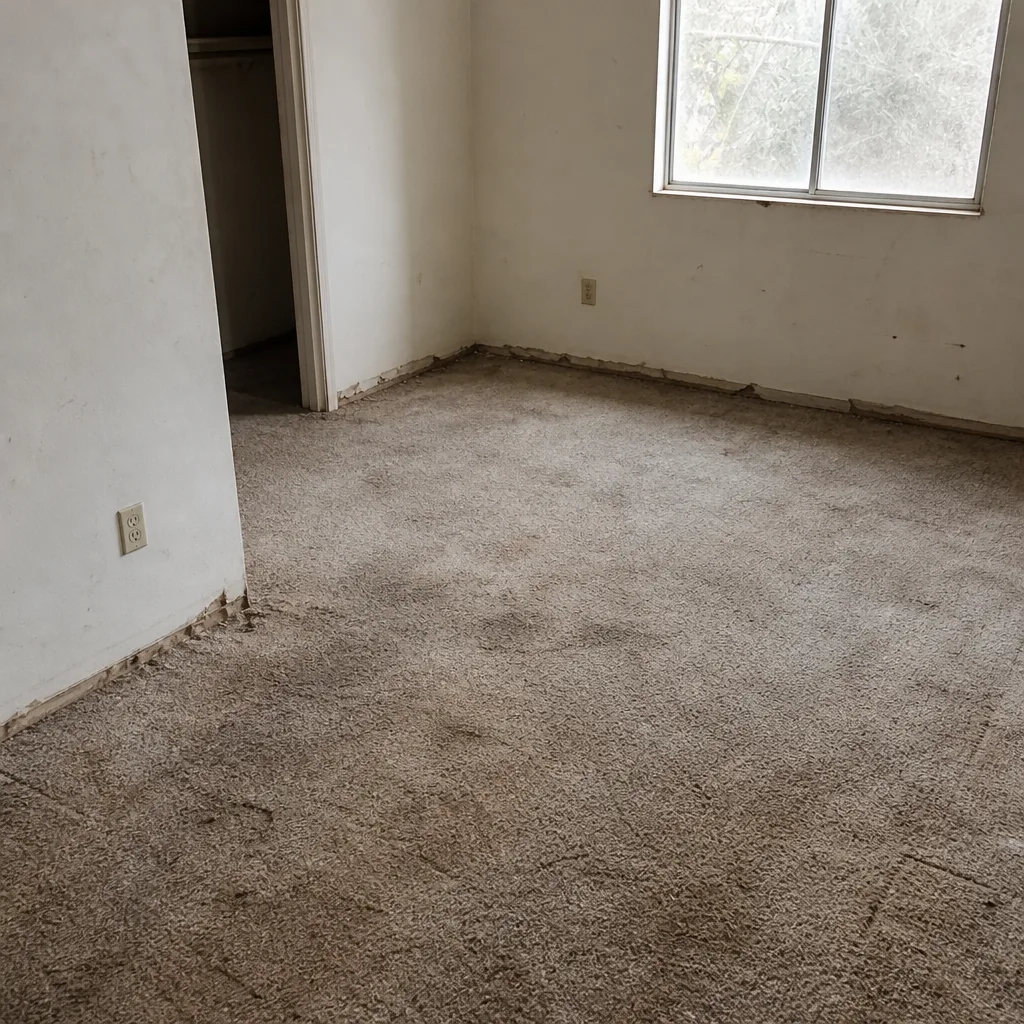 Before
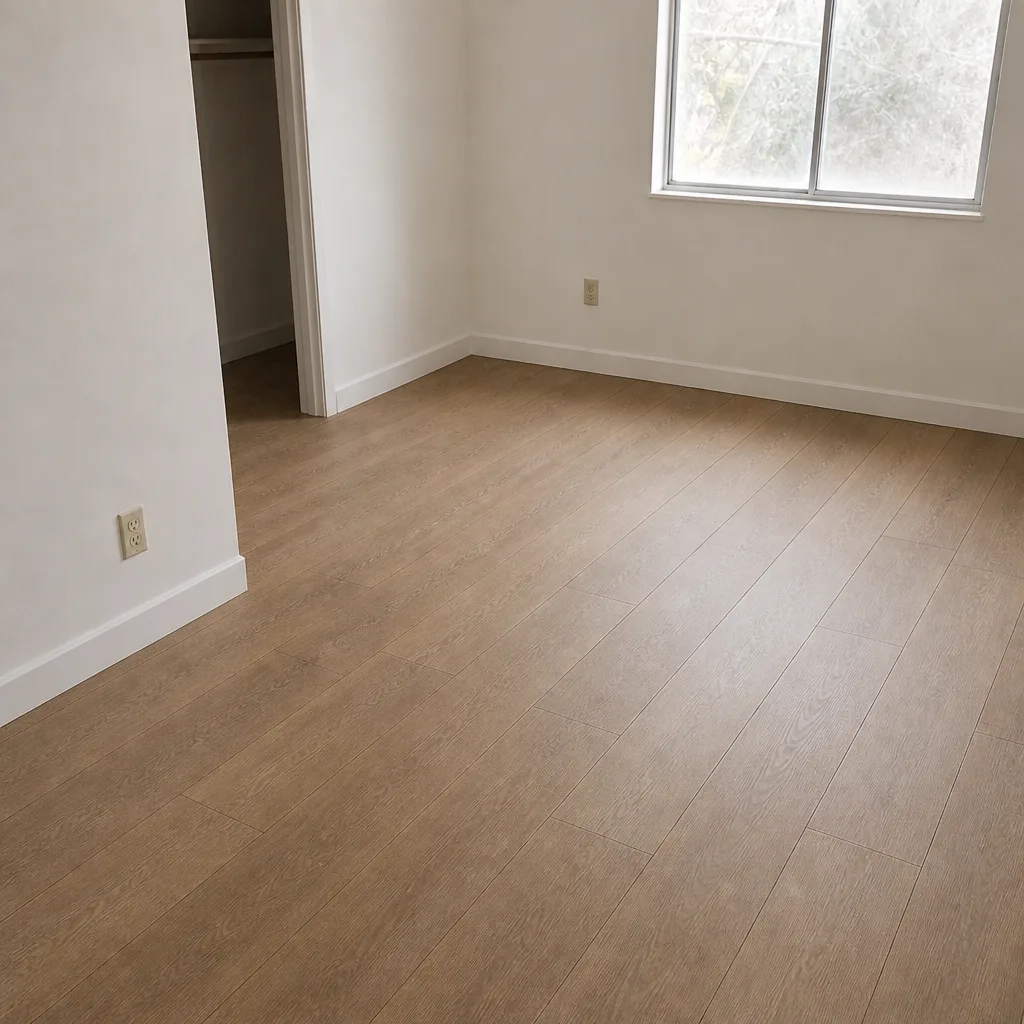 After
Common Mistakes to Avoid
- Skipping the moisture test because the slab looks fine. A clean-looking slab can still be holding moisture, and a floor laid over it can fail months later. Buy the test kit two weeks out and record the reading.
- Turning off the AC to save energy during the install. In Boulder City summer, a house without cooling can get hot enough to throw off material settling and make the day harder on everyone. Keep it running at a steady setting.
- Leaving the flooring in the garage to acclimate. A garage in July is not the same environment as your living room. The material needs to settle inside the room where it will be installed.
- Assuming furniture moving is included. Check the written estimate. If it’s not on the page, it’s not in the price.
- Forgetting old flooring disposal. Tear-out and haul-away are separate from installation, and the estimate should say who handles it.
- Replacing hardwood that could be refinished. If your floor is solid wood and the surface is sound, refinishing can be the smarter move than a full replacement. Ask at the estimate before you commit to new material.
- Scheduling a delivery for a day you can’t be home. A missed delivery can push the whole project. Confirm the date and stay reachable.
When to Call a Professional
DIY prep is limited to clearing a room, checking your slab, and managing the HVAC. When it comes to the floor itself, there are clear signs to call us. If you see wide cracks in the slab, a soft spot, or a moisture reading you’re unsure how to interpret, that’s a professional’s call. If your home has moved or settled, or a previous floor failed in a way you don’t understand, bring someone in before you buy material. If your project crosses carpet, tile, and hardwood and you want one contractor accountable across all three, that’s exactly what we’re set up for. Boulder City Flooring offers free estimates in Boulder City – call (844) 560-5320. We answer 24/7. Fast dispatch from 7am to 7pm, Sunday through Friday.
Frequently Asked Questions
Flooring installation is priced per job by a written estimate, and cost depends on the material, the square footage, and what the subfloor needs. Carpets, tile, and hardwood each carry different labor and material costs. The written estimate you receive after a free in-home measure sets the final price. Call (844) 560-5320 to schedule your free estimate.
Acclimation time depends on the product and your home, and the manufacturer’s instructions set the window. In Boulder City, the practical answer is to bring the material inside the room where it will be installed and keep the HVAC steady for several days so the floor adjusts to normal indoor conditions. Confirm the right window with your installer at the estimate.
Yes. We provide a free in-home measure and estimate, and you receive a written price. There’s no obligation to book, and the estimate is the basis for the final cost. Call (844) 560-5320 to schedule yours.
Move small items, decor, and closet contents yourself. Whether large furniture and appliances are moved is something to confirm at the estimate, since it’s typically handled separately from installation. The written estimate should list exactly what’s included.
No. Carpet and pad come out before a hard floor goes in, and the subfloor is reviewed at that point. If you’re planning a mix of carpet in bedrooms and tile in a bathroom or kitchen, the installations are scheduled and priced separately within the same project.
Stop and call a professional before any flooring goes down. Moisture under a slab needs to be addressed with a plan made for your home, and the installer can check the slab and recommend the right prep. Call (844) 560-5320 and we’ll set up an estimate.
The Bottom Line
The best flooring installation is the one that starts two weeks early. Test your slab, keep the HVAC steady, bring the material inside where it will live, clear the room, and get the furniture and disposal questions answered in writing before day one. In Boulder City, the heat and dry air make the acclimation and environment steps matter more than the standard instructions suggest, and the delivery schedule calls for a little patience. If you’re refinishing hardwood rather than replacing it, the same prep applies. When you’re ready to price your project, call (844) 560-5320 for a free estimate.
Written by the team at Boulder City Flooring.