
Last updated November 17, 2026
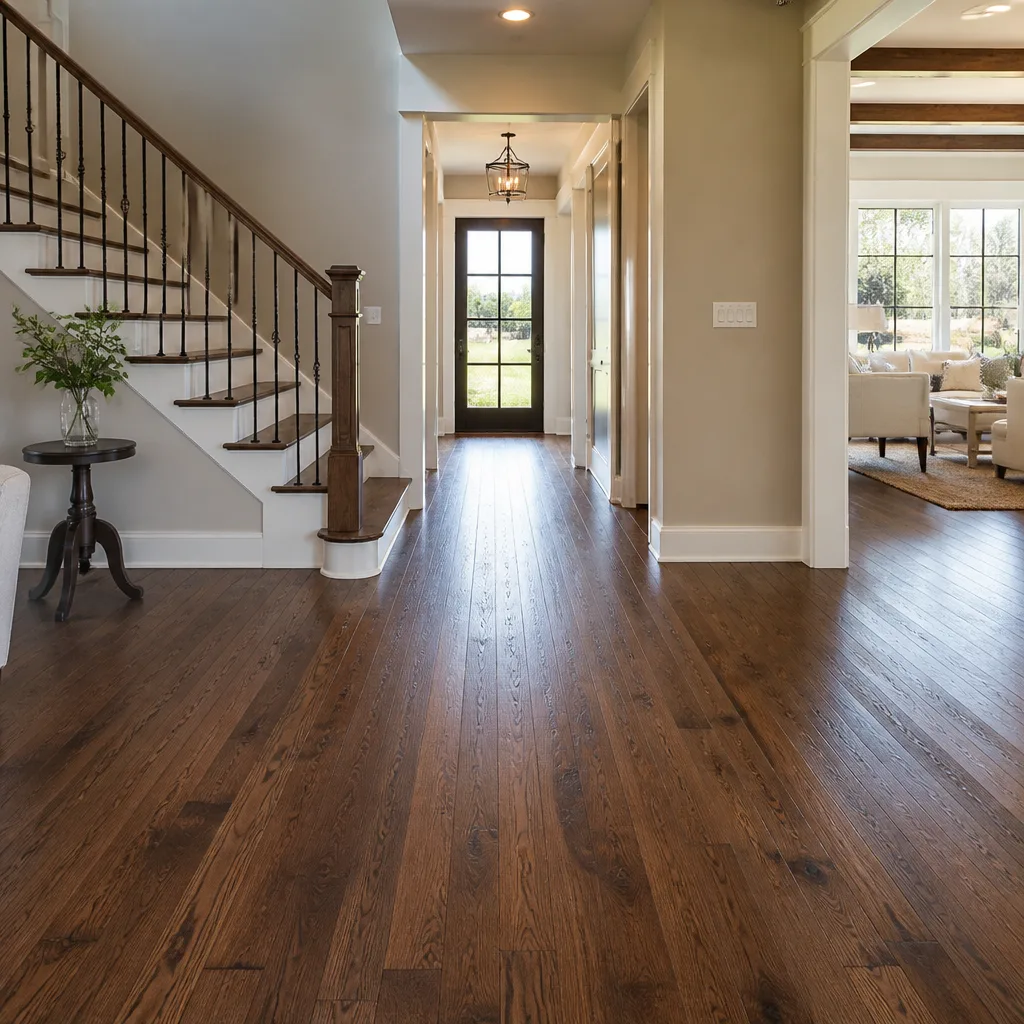 Hardwood
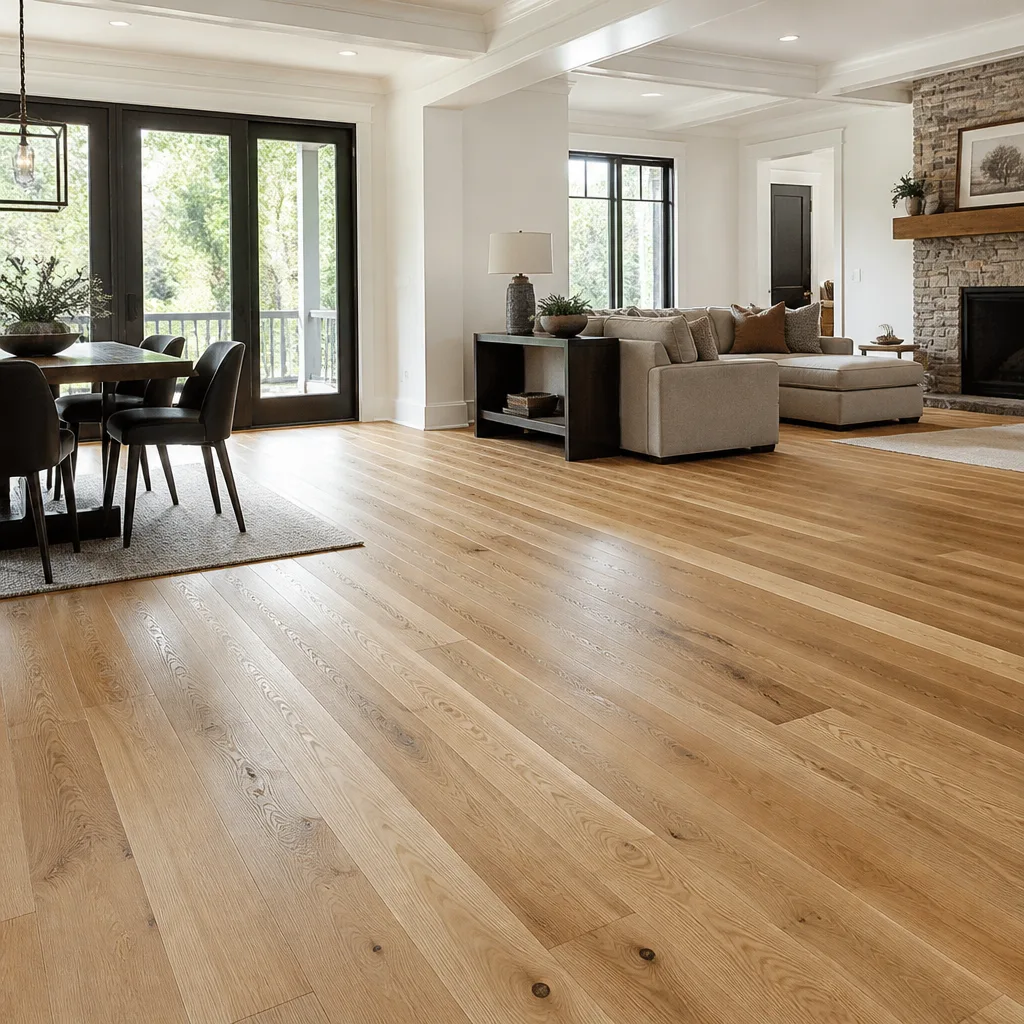 Engineered hardwood
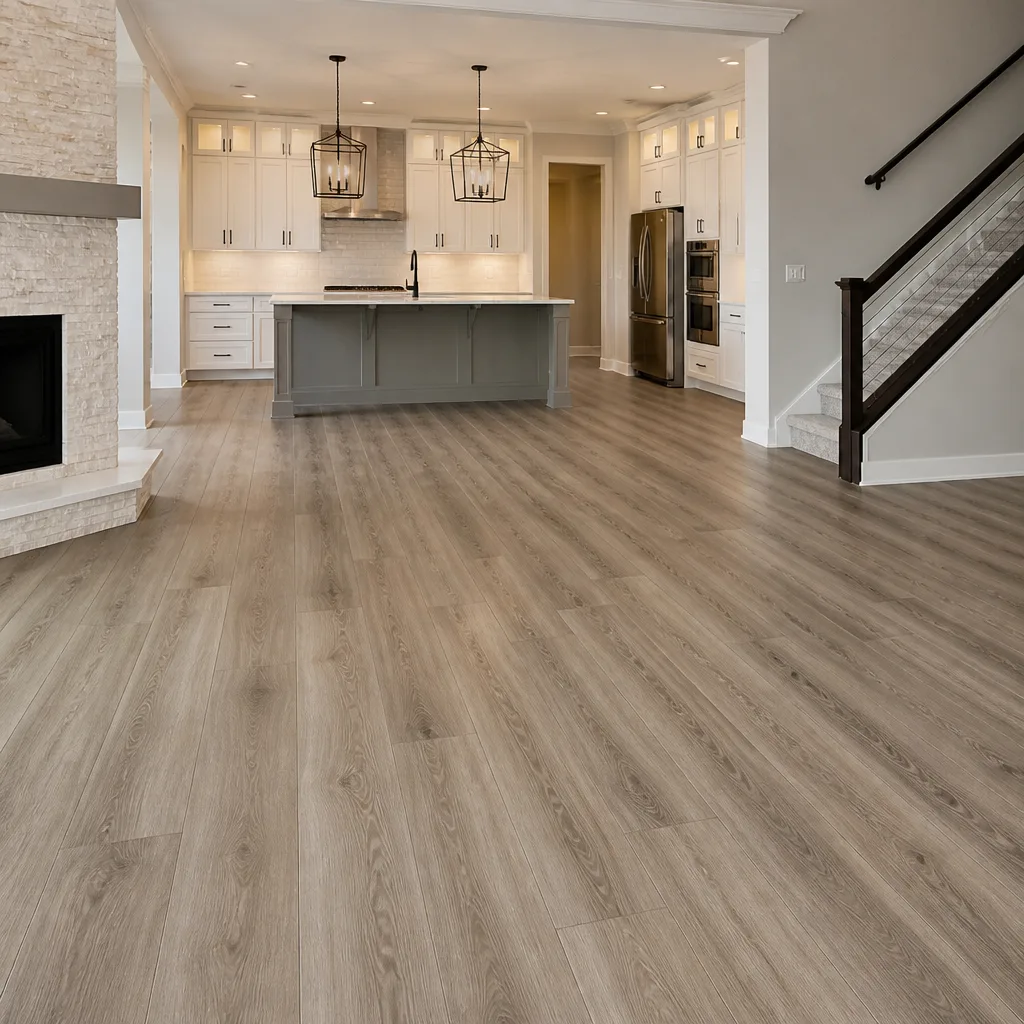 Luxury vinyl plank
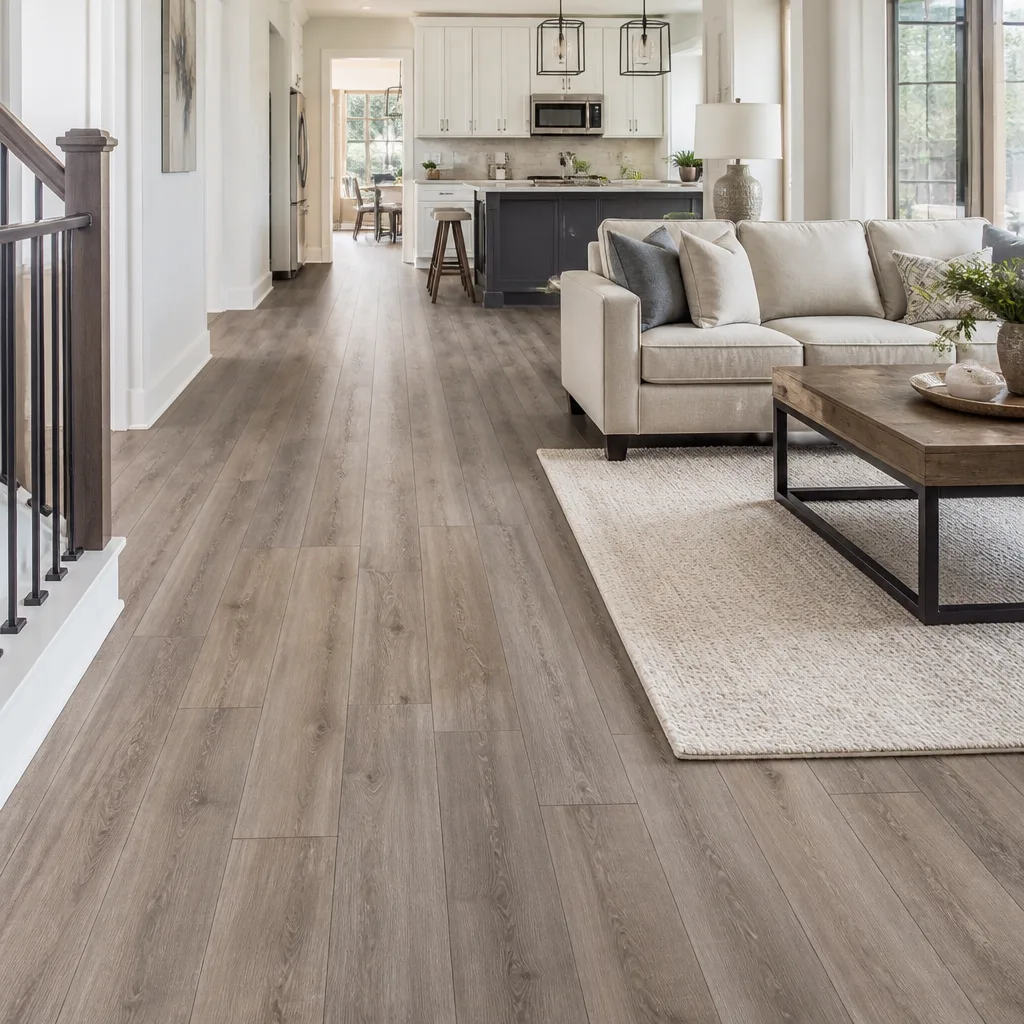 Laminate
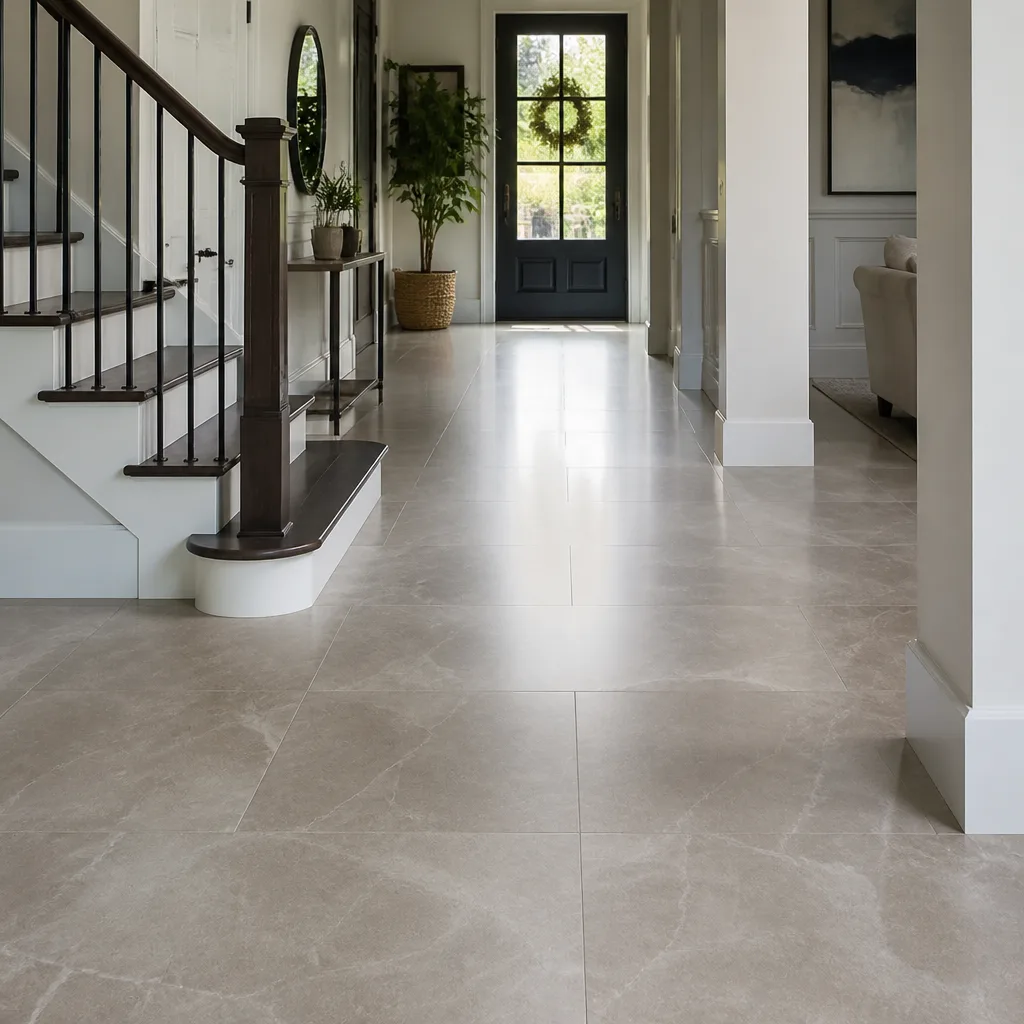 Porcelain tile
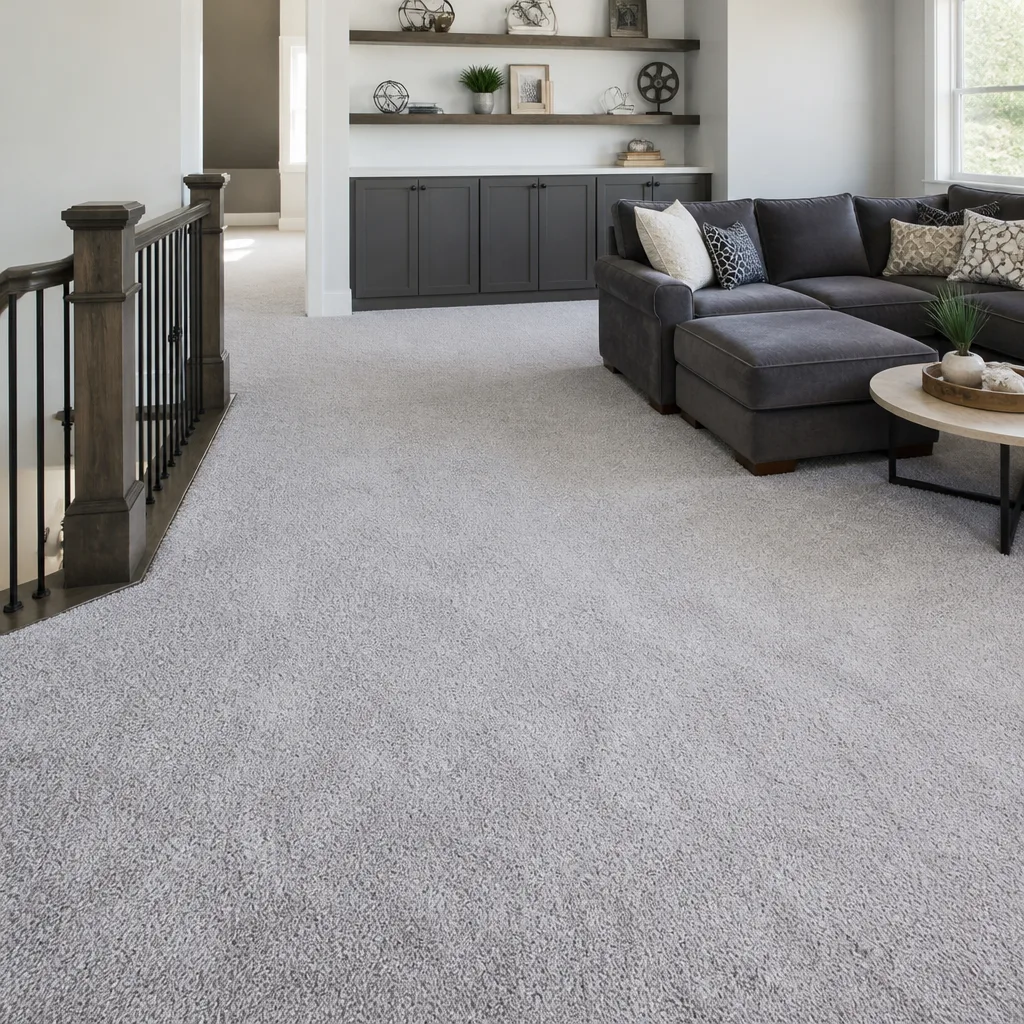 Carpet
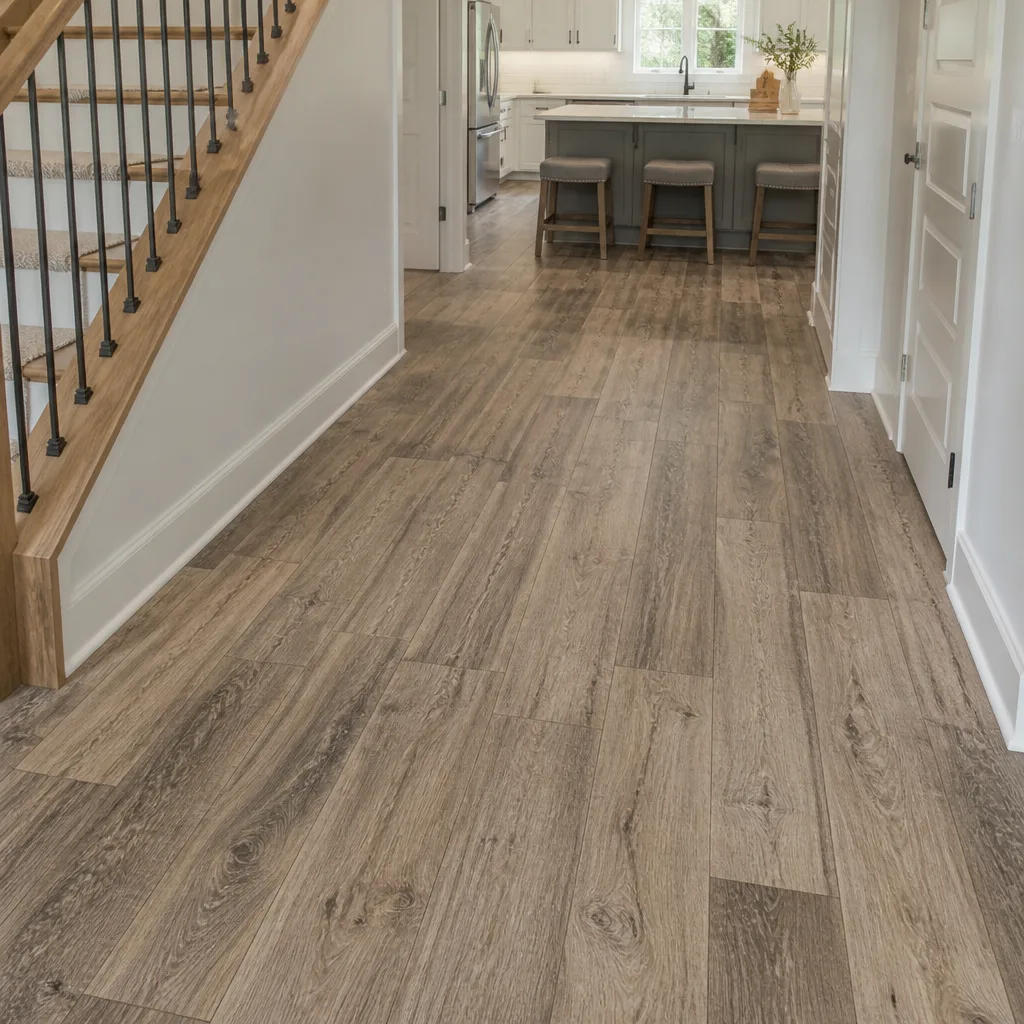 Shaw
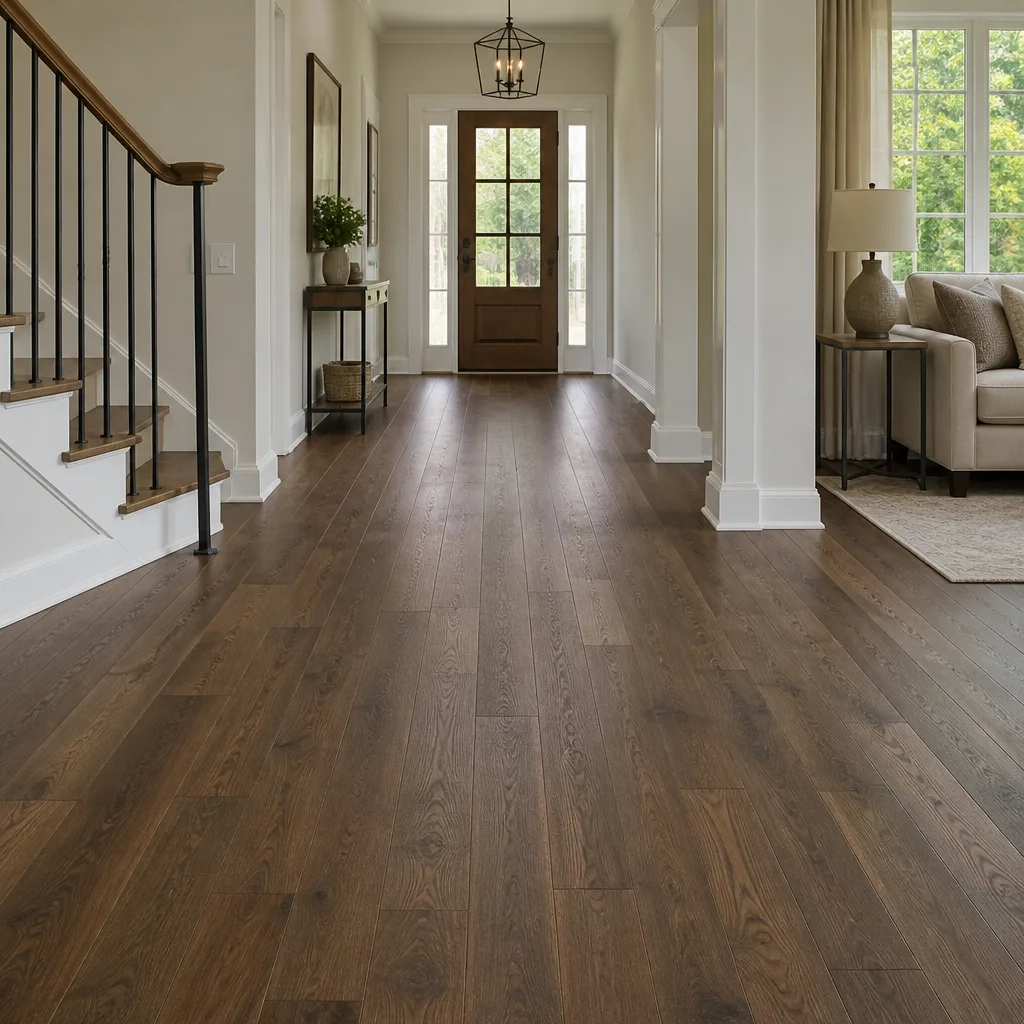 Mohawk
 COREtec
 Pergo
Free in-home measure and written estimate: Shaw, Mohawk, COREtec and Pergo lines compared on your own rooms, with carpet, tile, vinyl plank, laminate and hardwood laid out side by side
Get your free estimateHow Boulder City’s Climate Can Affect Your Flooring Choice
Most flooring advice you’ll read online was written for a house in Ohio or Oregon, where the air stays humid and the temperature swings are gentle. Boulder City is not that place. Here, the Mojave Desert sets the rules: single-digit humidity for much of the year, summer afternoons that push past 110°F, and cool nights that pull the thermostat back down by thirty or forty degrees before morning. That combination is brutal on the wrong floor, and forgiving on the right one. The difference between a floor that looks new in two summers and one that gaps, cups, or lifts usually comes down to matching the material to this climate before installation, not after. In this guide, we’ll walk through what actually holds up in Boulder City, which specs matter, and the mistakes that cost homeowners the most.
Quick Answer
The best flooring for a desert climate in Boulder City is engineered hardwood, luxury vinyl plank (LVP/LVT), and properly installed ceramic or porcelain tile. Solid hardwood is risky here because humidity often drops below 20% RH, causing boards to shrink and gap. The key is picking products rated for high heat and low moisture, then letting them acclimate to local conditions before installation.
Styles & brands we work with
- Hardwood
- Engineered hardwood
- Luxury vinyl plank
- Laminate
- Porcelain tile
- Carpet
- Shaw
- Mohawk
- COREtec
- Pergo
Table of Contents
- Why Low Humidity Is the Hidden Enemy of Solid Hardwood
- The LVP and LVT Specs That Actually Matter in High Heat
- Radiant Heat from Concrete Slabs: What It Does to Adhesive and Floating Floors
- When Tile Is Not Just the Safe Choice but the Best One
- What Acclimation Really Means in a Desert Climate
- Room-by-Room Recommendations for a Boulder City Home
- Engineered Hardwood Versus Solid: The Realistic Call for Boulder City
- Common Mistakes to Avoid
Why Low Humidity Is the Hidden Enemy of Solid Hardwood
Solid hardwood is a living material. It absorbs moisture when the air is wet and releases it when the air is dry, which means its dimensions change with the seasons. In a humid climate, that movement is small and gradual. In Boulder City, where indoor relative humidity can sit under 20% for weeks at a stretch, the boards lose moisture fast and shrink. The result is visible: gaps open between planks, edges cup upward, and in extreme cases, thin cracks appear along the grain.
Here’s the part that catches most homeowners off guard. Many solid hardwood warranties specifically exclude damage caused by humidity outside a stated range, and dry desert air often falls outside that range. A homeowner can watch a floor fail and then discover the failure isn’t covered. Nobody explains this at the point of sale, especially not at a big-box store where the person selling you the box has never set foot in your house.
What actually happens to solid hardwood in Boulder City’s climate:
- Planks shrink along their width, opening face gaps that trap dust and look worn
- Edges curl or cup as the top dries faster than the bottom
- Boards can separate from fasteners, causing squeaks and movement underfoot
- Repeated dry-wet cycling weakens the finish, especially near exterior doors
The realistic alternative for most Boulder City homes is engineered hardwood. Engineered planks are built in layers, with a real wood wear layer on top and a stable core beneath. That construction resists the dimensional movement that solid wood can’t, which makes it far better suited to desert conditions. At the estimate, we check the thickness of the wear layer, because that’s what determines whether a floor can be refinished later. If you already have solid hardwood and want to know if it can be brought back to life instead of replaced, Boulder City homeowners often find that refinishing is the smarter route.
The LVP and LVT Specs That Actually Matter in High Heat
Luxury vinyl plank looks like the easy answer, and for many Boulder City homes it is. But not every plank is built the same, and in a house that sees 110°F summer afternoons through unshaded windows, the wrong product can telegraph, buckle, or peel at the seams. What should drive your decision isn’t the color or the texture. It’s the product’s tested temperature range and how it handles heat under direct sun.
When we’re helping a homeowner choose LVP for a sunny room, we look at four things first:
- Stated temperature tolerance. Every manufacturer publishes acceptable installation and service temperatures. A plank rated for hot climates will hold its shape better in a room that heats up all afternoon.
- Rigid core construction. Products like COREtec use a rigid core that resists expansion and contraction better than older flexible vinyl. That matters most in rooms with big windows facing the sun.
- Sun exposure. South- and west-facing rooms in Boulder City get punishing direct light. Even good LVP can fade or heat up more than expected when sunlight hits it unfiltered for hours. Window coverings help.
- Water resistance versus waterproof. Many LVP products are water-resistant, but standing water and moisture from below still have to be dealt with. A water-resistant floor is not a substitute for fixing a leak or grading issue.
For homes with pets or kids, products like LifeProof are worth looking at because the surface layer handles daily wear better than entry-level vinyl. We install and service the floor the customer chooses, and we’ll walk you through the trade-offs honestly rather than steering you toward one brand. If you want to talk through the options for a specific room, that’s part of the estimate conversation.
Radiant Heat from Concrete Slabs: What It Does to Adhesive and Floating Floors
Many Boulder City homes sit on concrete slab foundations, a common build style in Mojave-climate construction. That slab does something flooring installers have to plan around: it absorbs heat all day and radiates it back into the room well into the evening. A slab that was warm at noon is often still releasing heat at 9pm, which means the floor above it is in almost constant thermal movement.
This affects installation methods differently. An adhesive-down floor is bonded directly to the slab, so any seasonal slab movement or heat expansion transfers straight into the adhesive and the plank. If the adhesive wasn’t specified for high-heat slab conditions, or the slab wasn’t properly prepped, you get cupping, lifting edges, or hollow spots that sound off when you walk on them. A floating floor, by contrast, sits on an underlayment and is designed to move as a unit, which usually handles slab heat better, provided it has the right expansion gap around the perimeter.
Here’s the practical guidance for Boulder City homes:
- Test the slab for moisture first. Desert slabs can still hold moisture, and adhesives and underlayments need to be matched to what the test shows. We never skip this step.
- Confirm the adhesive is rated for the heat. The product’s spec sheet will tell you the maximum service temperature. That number matters more than the brand name on the bucket.
- Leave the correct expansion gap. Floating floors need room to move, especially in rooms that get hot. A tight fit against a wall is a buckle waiting to happen.
- Check for direct sun through glass. A sunroom or a west-facing great room can push slab surface temperatures well above ambient air temperature. Mention it at the estimate.
If you’re planning a whole-home project that mixes new floors with existing hardwood, it helps to work with one contractor across all three categories rather than coordinating separate trades. That’s the model we work from, and it’s one reason we handle both installation and refinishing.
When Tile Is Not Just the Safe Choice but the Best One
Tile gets a reputation as the “safe” flooring choice, which undersells it. In a Boulder City home, tile is genuinely the best performer in specific situations: kitchens, entryways, bathrooms, laundry rooms, and any room where water, heat, or heavy foot traffic converge. Ceramic and porcelain don’t care about low humidity. They don’t gap in dry air. They don’t telegraph in heat. And they handle the daily traffic of a busy household without complaint.
The catch is installation. Desert homes often sit on slabs that shift seasonally, and improper tile installation over a moving slab is where grout failures come from. Cracks in grout lines, tiles that sound hollow, lippage along the edges: these are almost always installation problems, not product problems.
How a proper tile installation should go:
- Assess the slab. Flatness, moisture, and any existing cracks get checked before a single tile goes down. Cracks in the slab need to be treated, not ignored.
- Choose the right membrane and thinset. A crack-isolation membrane and a flexible thinset designed for slab conditions make a real difference in how the install holds up.
- Plan the layout. Grout lines, expansion joints, and tile orientation are set before installation begins. Cutting tile to fit around a bad layout gets expensive fast.
- Use the right grout. Grout selection should match the traffic and moisture in the room. It’s worth a conversation, not an afterthought.
Our tile flooring installation work is built around that sequence. We work with Daltile because it gives us access to professional-grade tile rather than treating tile as an afterthought next to carpet. If you’re weighing tile against another material for a specific room, ask us at the estimate. We’ll tell you when tile isn’t the right call.
What Acclimation Really Means in a Desert Climate
Acclimation is the process of letting flooring material sit in the room where it will be installed long enough to reach the room’s temperature and moisture conditions. The standard advice you’ll see online is to let the material sit for 48 hours. In Boulder City, that’s often not enough, because the gap between warehouse conditions and desert home conditions can be enormous.
A box of flooring that’s been stored in a climate-controlled warehouse may be at 60°F and moderate humidity. Move it into a Boulder City home and it needs to reach whatever the home is doing: dry air, warm afternoons, cool nights. Material that hasn’t adjusted fully can expand, contract, or shift after installation in ways that show up as gaps, creaks, and lifting edges. The 48-hour rule assumes a mild climate and a mild transition. Neither applies here.
What a realistic acclimation process looks like in this climate:
- Let the HVAC run normally in the home for several days before installation, so the material adjusts to the conditions the finished floor will actually live in.
- Stack and restack the material so air circulates around every box, not just the outer edges.
- Follow the product’s own instructions. Acclimation time depends on the product. The written instructions from the manufacturer set the requirement, and the written estimate sets the schedule.
- Don’t rush it. The install day is set at the estimate, which means we schedule the acclimation window in from the start rather than squeezing it in.
Acclimation is one of those steps that nobody notices when it’s done right and everybody notices when it isn’t. Ask about it at the estimate, and we’ll build it into the plan.
Room-by-Room Recommendations for a Boulder City Home
The right flooring decision is rarely one answer for an entire house. Boulder City homes often have a mix of room types with very different demands, and matching the material to the room is where you get the most value out of a project. Here’s how we think through the common rooms.
Kitchen and entryway. Tile is the strongest recommendation here. Heat, water, dropped pans, and heavy traffic all favor ceramic or porcelain. It’s easy to clean, doesn’t gap, and holds up to the kind of daily use a desert home puts on a floor.
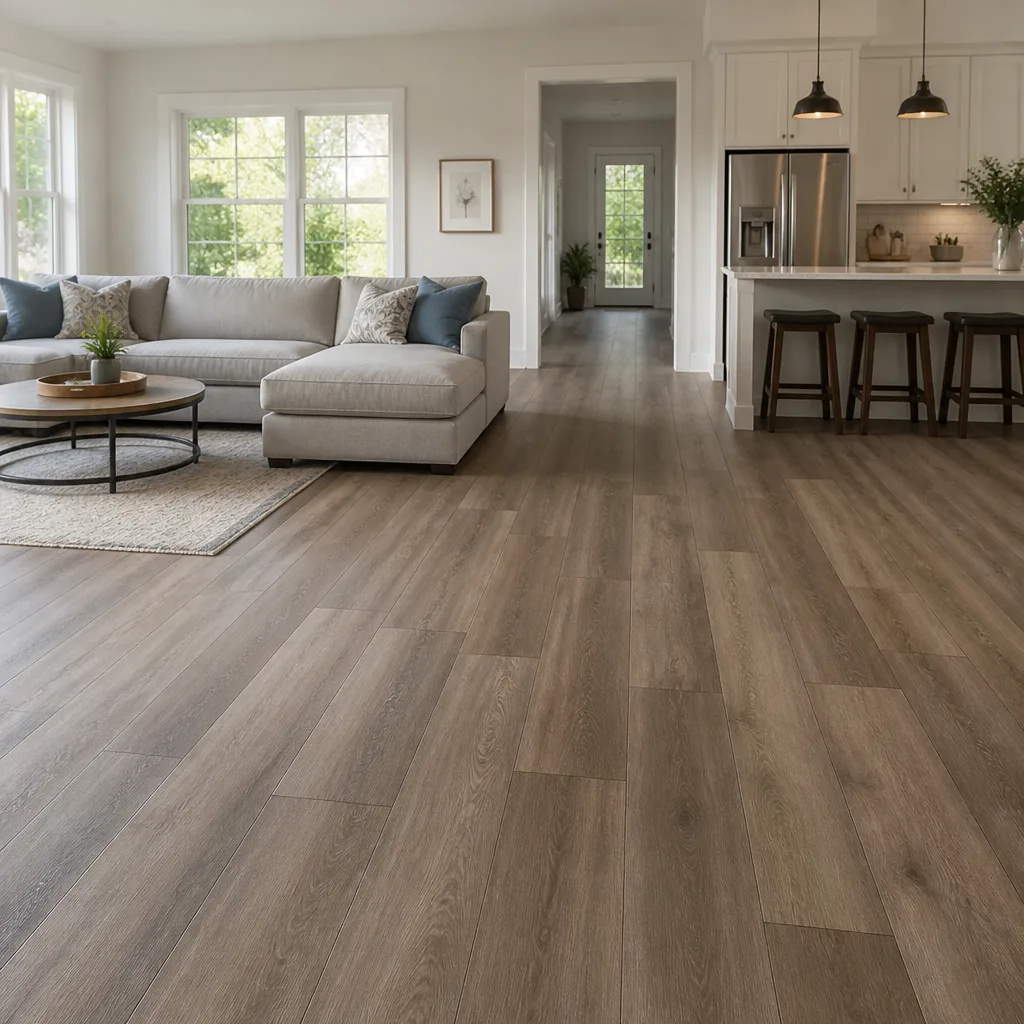
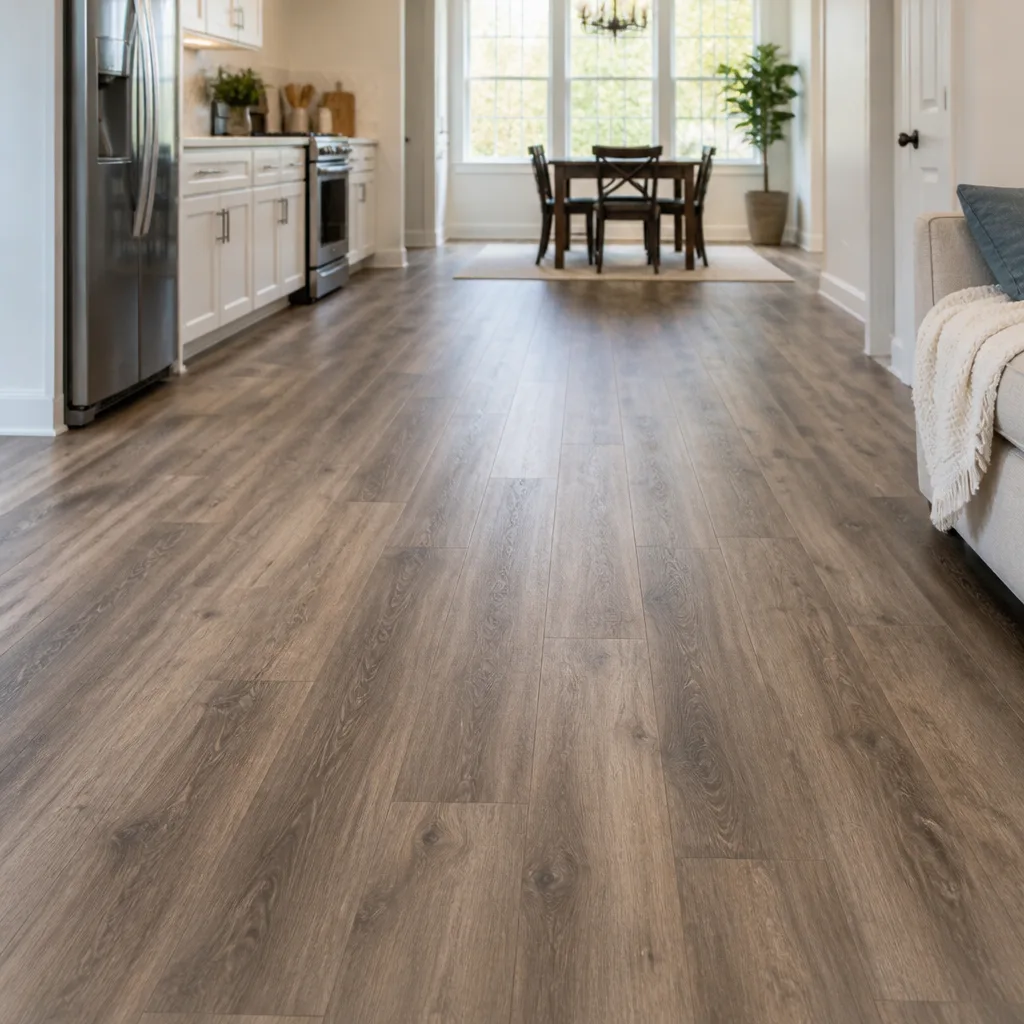
Living room and hallways. This is where LVP or engineered hardwood earns its place. Choose a product with a tested temperature range that handles a sun-facing room, and pay attention to sun exposure through the windows. A well-chosen plank floor handles daily foot traffic without the maintenance of solid wood.
Bedrooms. carpet installation is a strong option in bedrooms because carpet adds warmth, absorbs sound, and doesn’t care about the indoor air being dry. It’s also the most forgiving material for low-humidity conditions in a room that doesn’t need water resistance.
Bathrooms and laundry rooms. Tile, without much debate. The moisture load in these rooms is constant, and tile handles it better than any other material.
Sun-facing great rooms. This is the room where the product’s heat tolerance matters most. Ask about the temperature spec, plan for window coverings, and consider whether a rigid-core LVP is a better fit than a flexible vinyl.
Engineered Hardwood Versus Solid: The Realistic Call for Boulder City
Solid hardwood is beautiful, and there are Boulder City homes where it makes sense: interior rooms away from direct sun, where the homeowner has humidity control and is prepared to manage it. But for most homeowners here, engineered hardwood is the more realistic choice. The layered construction resists the dimensional movement that comes with very dry air, and the engineered format is stable enough that the floor doesn’t have to work as hard to stay in place.
The check to make at the estimate is the wear layer. That’s the top layer of real wood, and its thickness determines whether the floor can be refinished down the road when it needs a refresh. A thin wear layer can’t be sanded back. A thicker one can, which adds genuine value to the material over its life. If the wear layer is too thin for refinishing, the floor’s life is what it is out of the box.
For homeowners comparing options:
- Solid hardwood: Best in a controlled-humidity interior room, not the best fit for sun-facing rooms or dry rooms without humidity management.
- Engineered hardwood: A solid choice for most Boulder City homes; the wear layer thickness determines refinishing potential.
- LVP: Water-resistant, dimensionally stable, and a good match for busy households. Choose a product with a tested temperature range that suits high-heat rooms.
- Tile: The most durable choice in wet and heavy-traffic areas.
- Carpet: Comfortable, quiet, and well-suited to bedrooms in a dry climate.
If you’re renovating and want to restore existing hardwood while adding new flooring elsewhere, that’s the kind of project where one contractor across categories saves you coordination headaches. Our team at Boulder City Flooring handles installation and refinishing, so the restoration and the new material can be planned together.
Common Mistakes to Avoid
- Buying solid hardwood for a dry desert home without checking the humidity range. The warranty may not cover what the dry air does to the boards, and the damage may show up within a season or two.
- Skipping slab moisture testing before an adhesive-down install. Desert slabs can retain moisture, and skipping the test means the adhesive isn’t matched to the actual condition of the floor beneath it.
- Assuming all LVP is rated for the same heat. Products vary. A plank with a lower tested temperature range does not belong in a room where direct sun pushes the surface temperature up.
- Using the standard 48-hour acclimation advice in a Boulder City home. The gap between warehouse conditions and dry desert home conditions is much wider here, so the material needs more time to adjust.
- Installing tile over a slab without addressing seasonal movement. Skipping the membrane and the right thinset is the most common cause of grout failures in desert homes.
- Choosing a floor based on looks alone. The color you love and the product that performs in a high-heat, low-humidity room can be two different things. Start with the room’s conditions, then pick the look.
- Coordinating separate contractors for carpet, tile, and hardwood. A whole-home project goes smoother when one contractor handles the sequence, rather than three trades trying to stay out of each other’s way.
See the difference
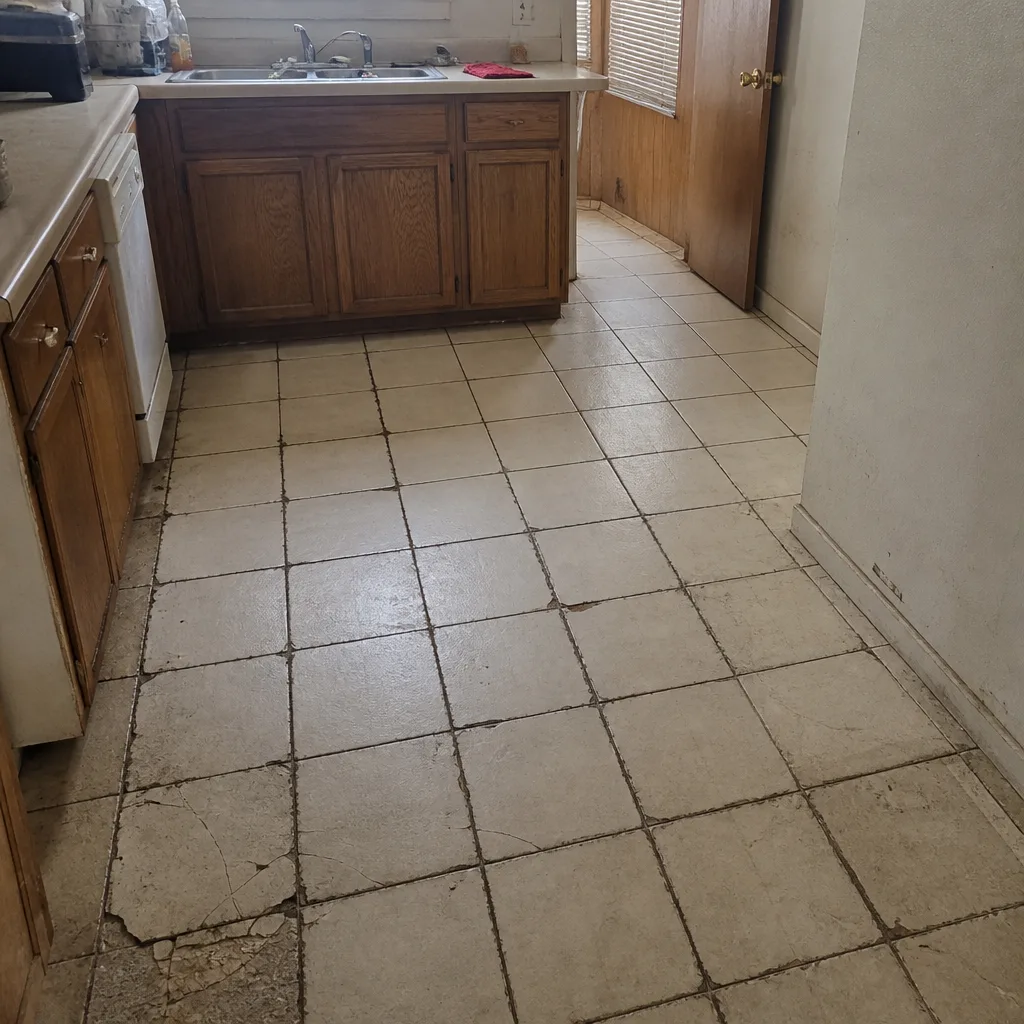 Before
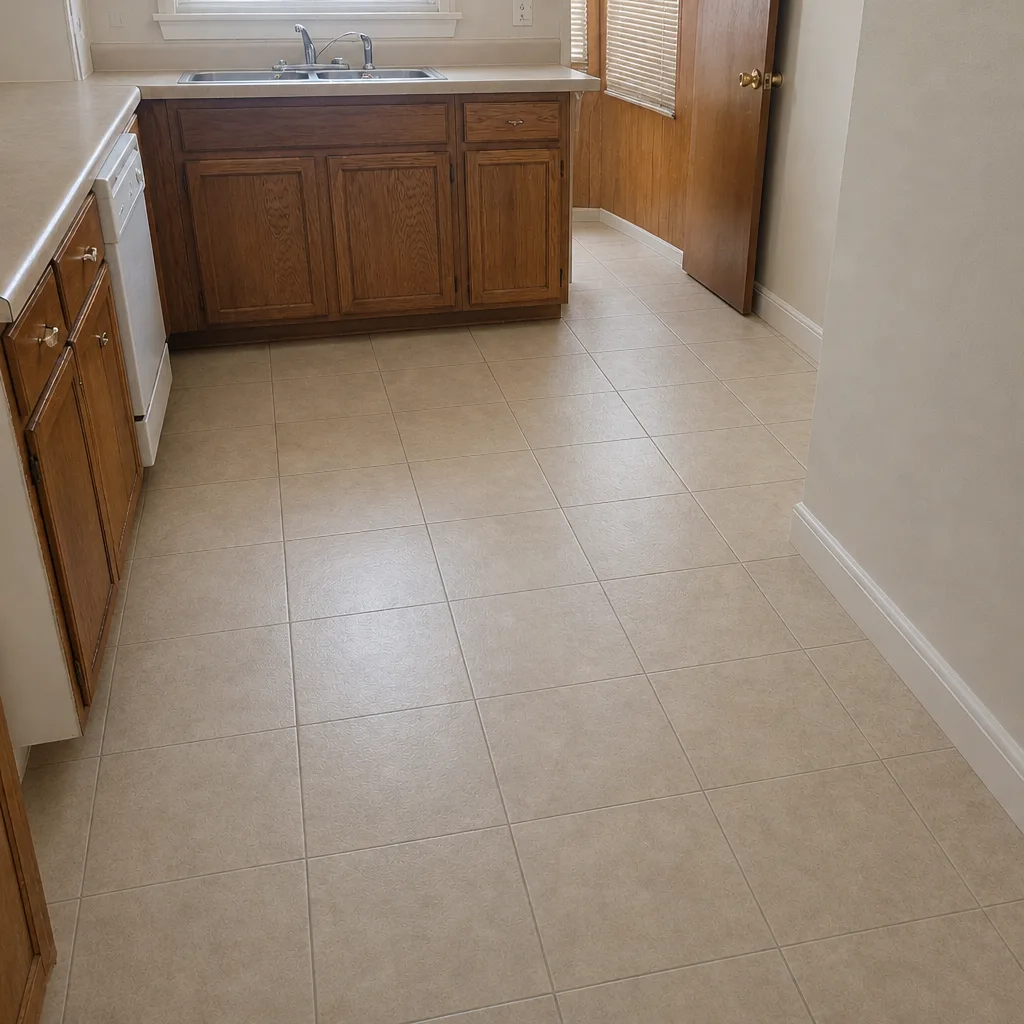 After
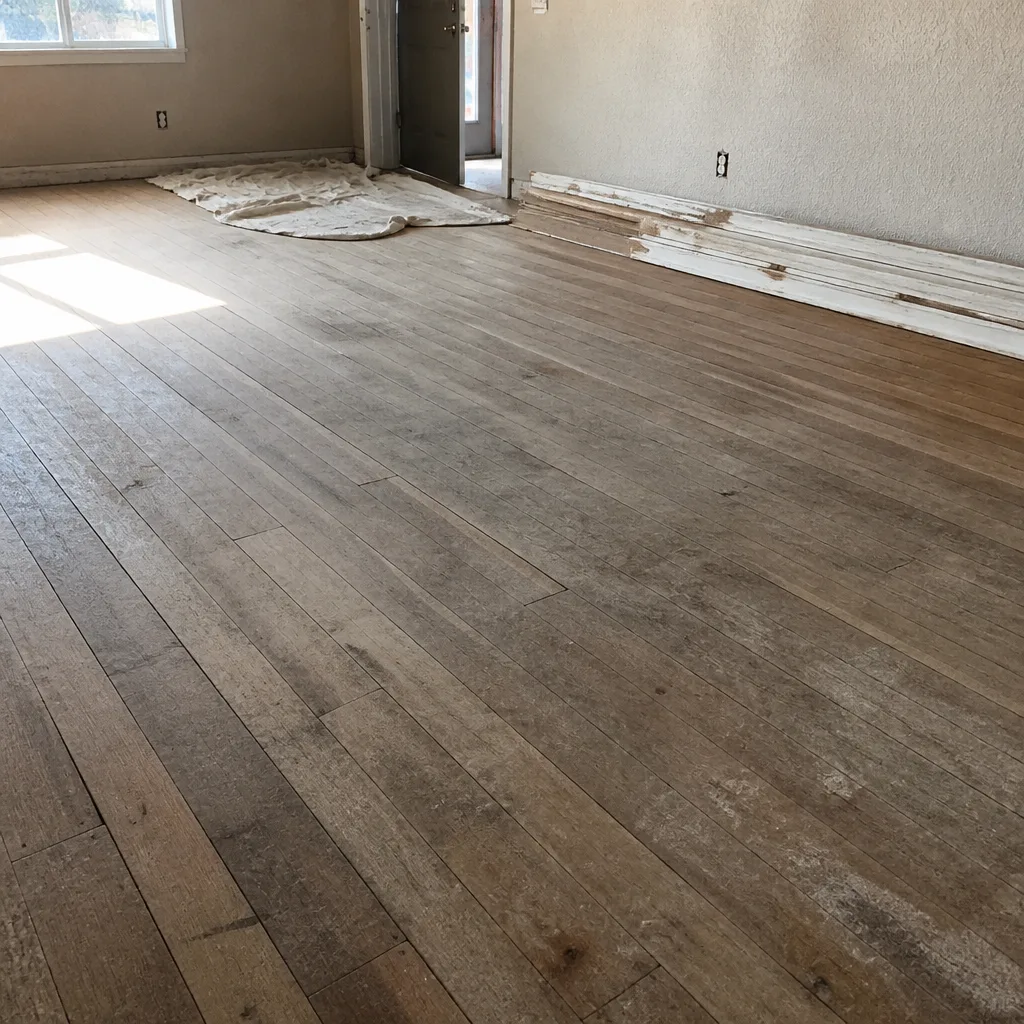 Before
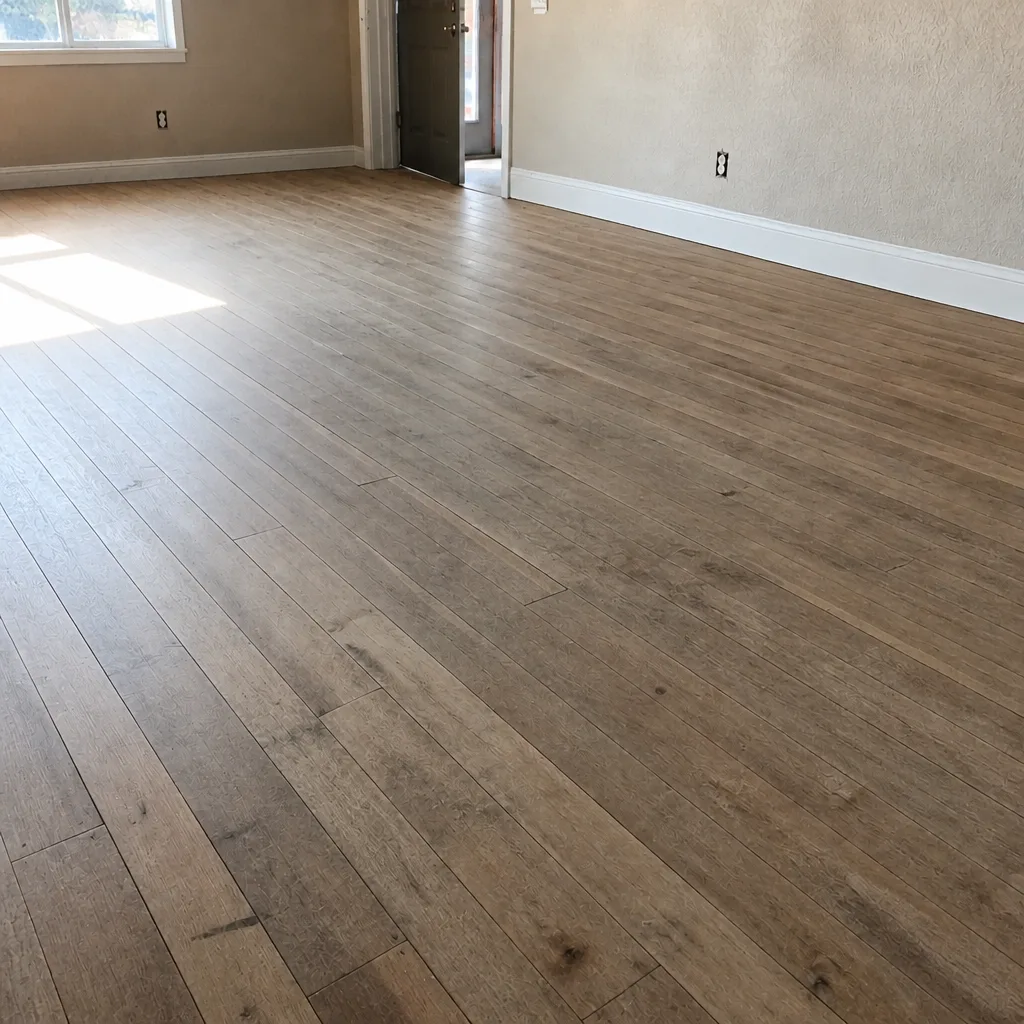 After
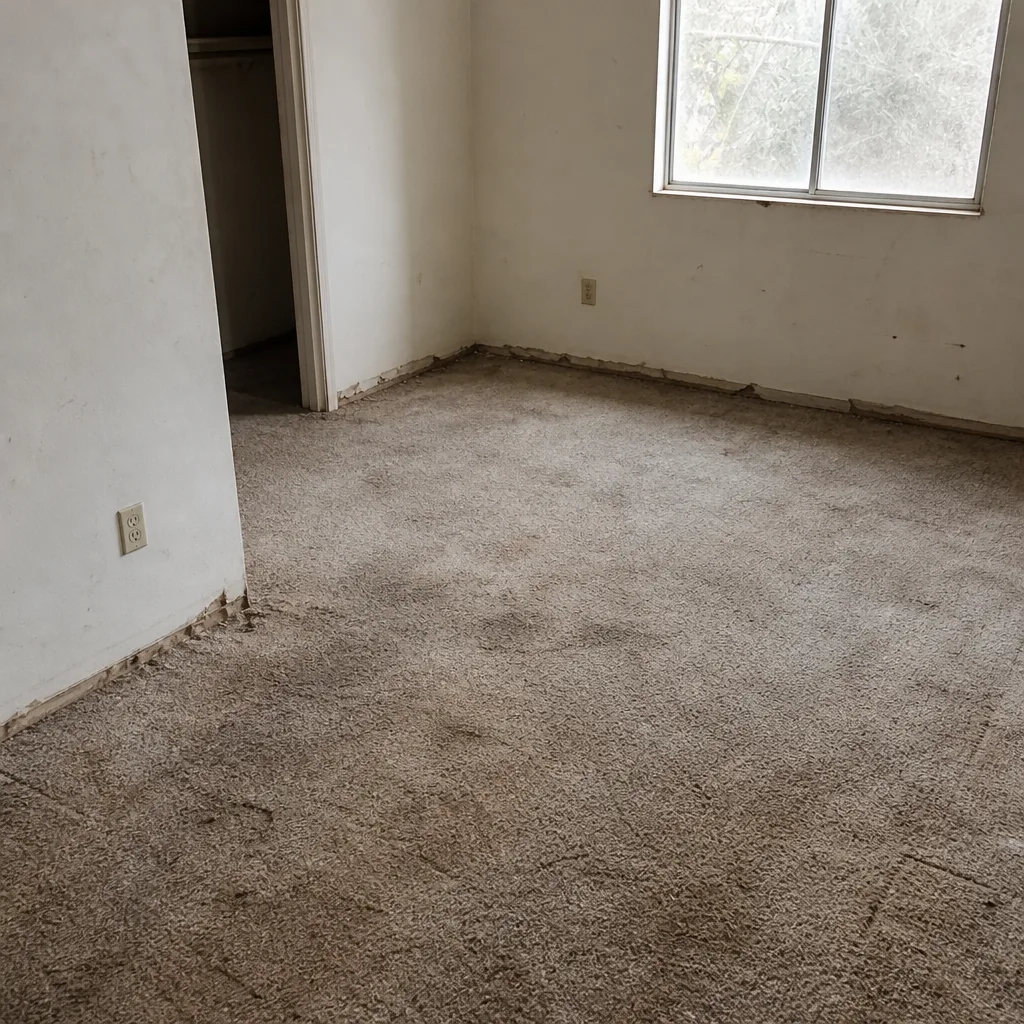 Before
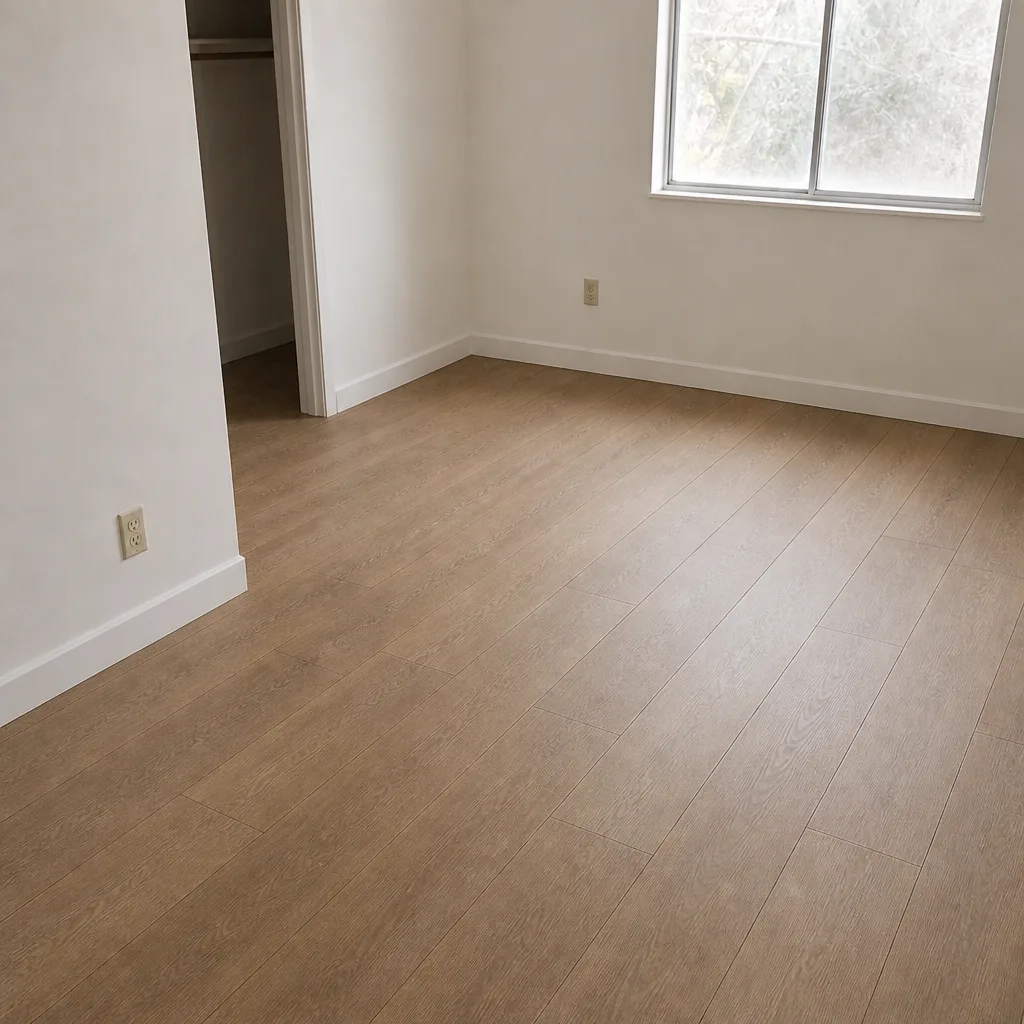 After
When to Call a Professional
If you’re planning a whole-home flooring project, or if you’re unsure whether existing hardwood can be refinished, that’s a good time to get an expert eye on the space before you buy material. Slab assessment, moisture testing, acclimation planning, and product selection for high-heat rooms are all parts of what a flooring specialist should do before the first box is opened. If a floor has already started to gap, cup, or lift, the faster you get an assessment, the less likely the problem becomes a replacement.
Boulder City Flooring offers free estimates in Boulder City. Call (844) 560-5320. Our technicians have up to 10 years of experience, and we’ll walk the rooms, check the conditions, and put together a written estimate so you know what you’re working with before you commit. The written estimate sets the final price.
Frequently Asked Questions
Engineered hardwood, luxury vinyl plank, and properly installed ceramic or porcelain tile are the best performers in Boulder City’s desert climate. They resist the low humidity and high heat that damage solid hardwood. If you want an exact recommendation for your home, call (844) 560-5320 for a free estimate.
Solid hardwood is risky in Boulder City because indoor humidity often drops well below 20%, which causes boards to shrink, gap, and cup. Many warranties exclude damage from humidity outside a stated range. Engineered hardwood is the more realistic alternative for most homes here. Call (844) 560-5320 to talk through which product fits your rooms.
Yes, but the product needs a tested temperature range that matches the conditions. Ask for the manufacturer’s published range and check it against the room. In rooms that heat up under direct sun, a rigid-core product like COREtec or a wear-resistant option like LifeProof is worth considering. Call (844) 560-5320 for a no-obligation assessment.
The right acclimation time depends on the product, and the manufacturer’s instructions set the requirement. The 48-hour rule you’ll see online is often not enough in a desert climate, because the gap between storage conditions and home conditions is wider here. We build the acclimation window into the schedule at the estimate. Call (844) 560-5320 to get one started.
Cracking grout usually comes from improper installation over a slab that shifts seasonally, not from the tile itself. A crack-isolation membrane and a flexible thinset matched to slab conditions are the fix, but they have to be in place from the start. Call (844) 560-5320 to have an installation assessed.
Yes. The estimate is free, and you’ll get a written price before any work is booked. Pricing is set per job by the written estimate, so there are no surprises once the scope is agreed. Call (844) 560-5320 to schedule yours.
The Bottom Line
Boulder City’s climate narrows the list of flooring materials that hold up long-term, and that’s actually useful news. It means you can rule out some options early and focus on what performs here: engineered hardwood for its stability, LVP with the right heat spec for busy rooms, and properly installed tile in the wet and heavy-traffic areas. Carpet still earns its place in bedrooms. Acclimation and slab assessment are the steps that separate a floor that lasts from one that fails in two summers. If you’re ready to plan the project, call (844) 560-5320 for a free estimate. We answer 24/7. Fast dispatch from 7am to 7pm, Sunday through Friday.
Written by the team at Boulder City Flooring.