
Last updated November 17, 2026
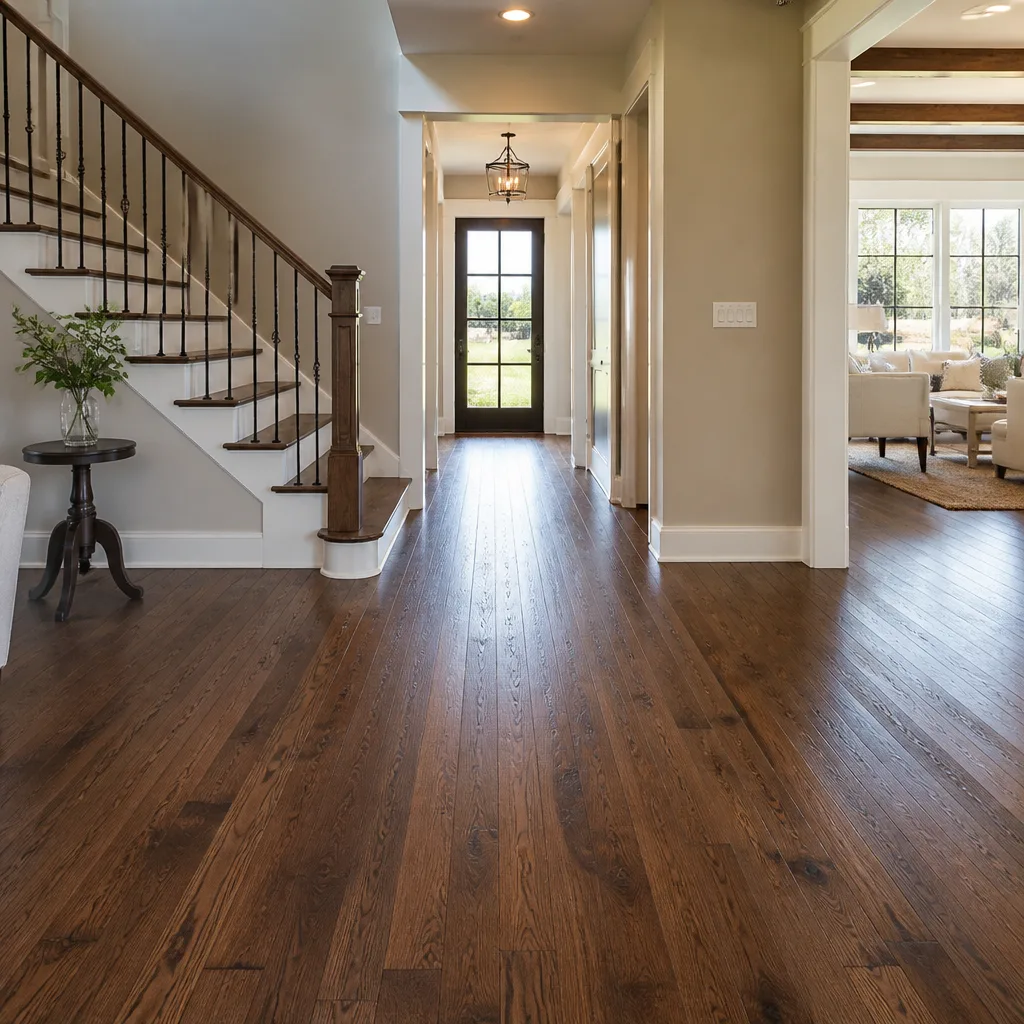 Hardwood
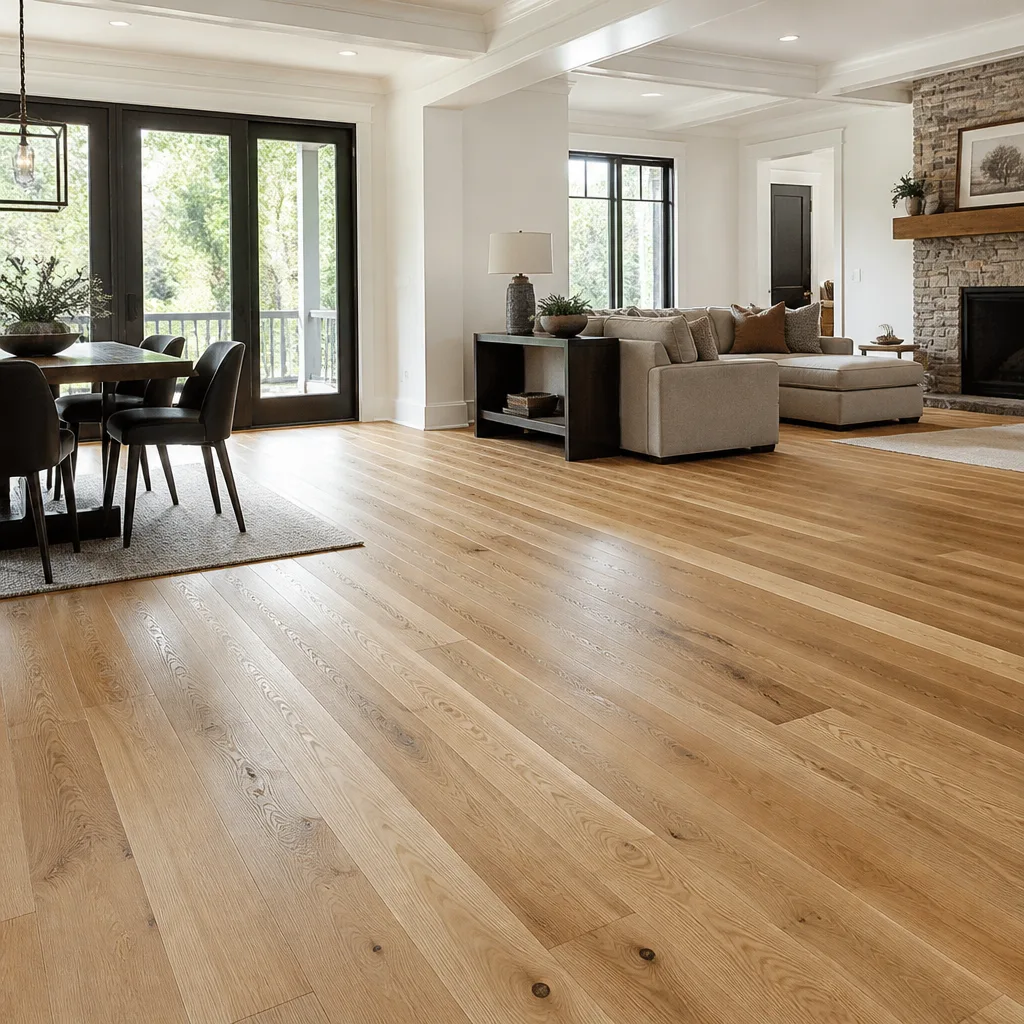 Engineered hardwood
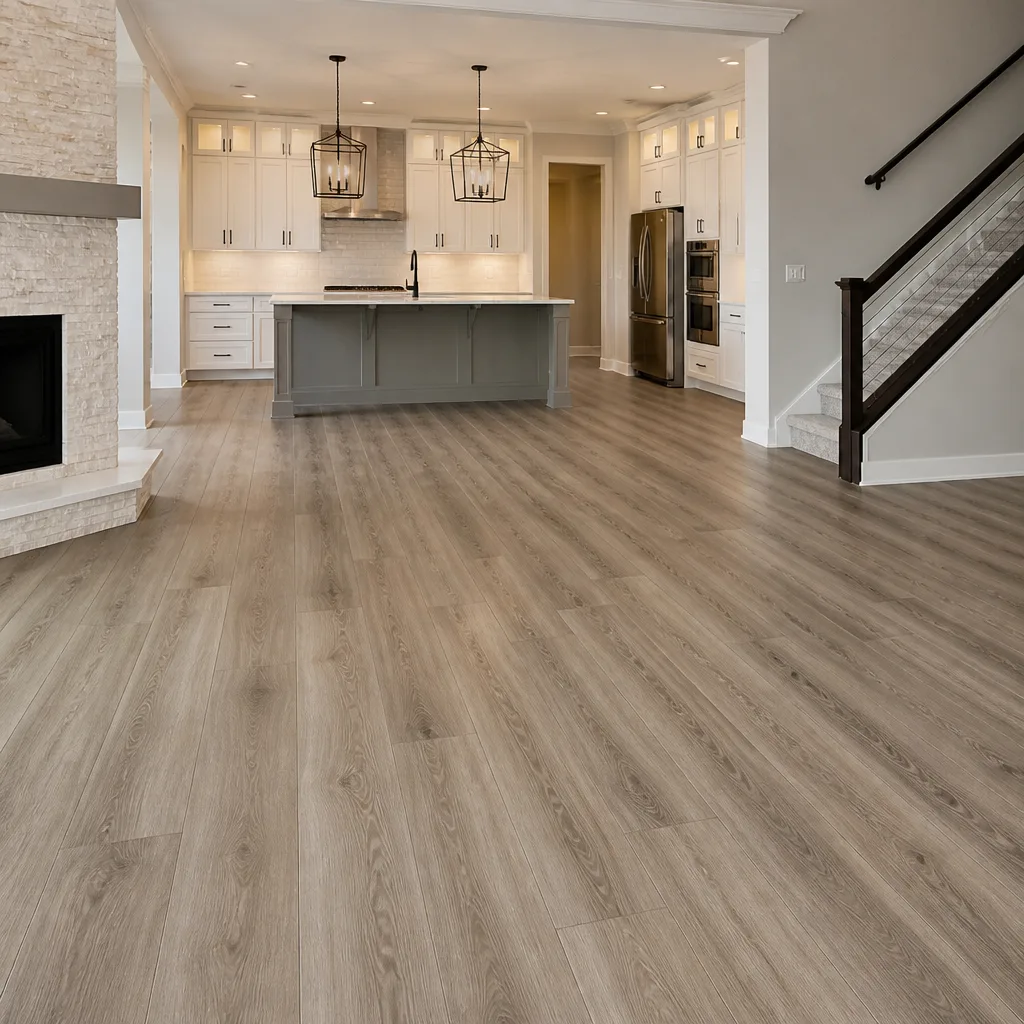 Luxury vinyl plank
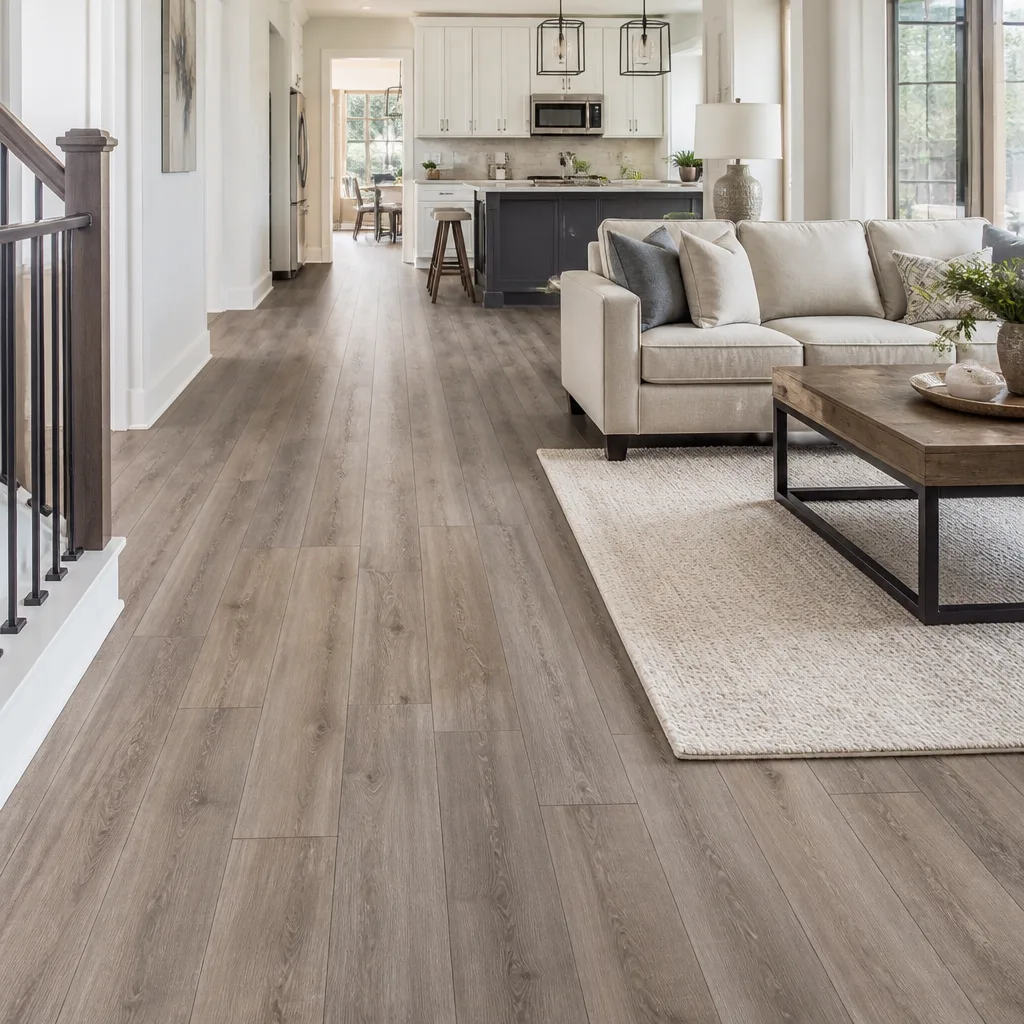 Laminate
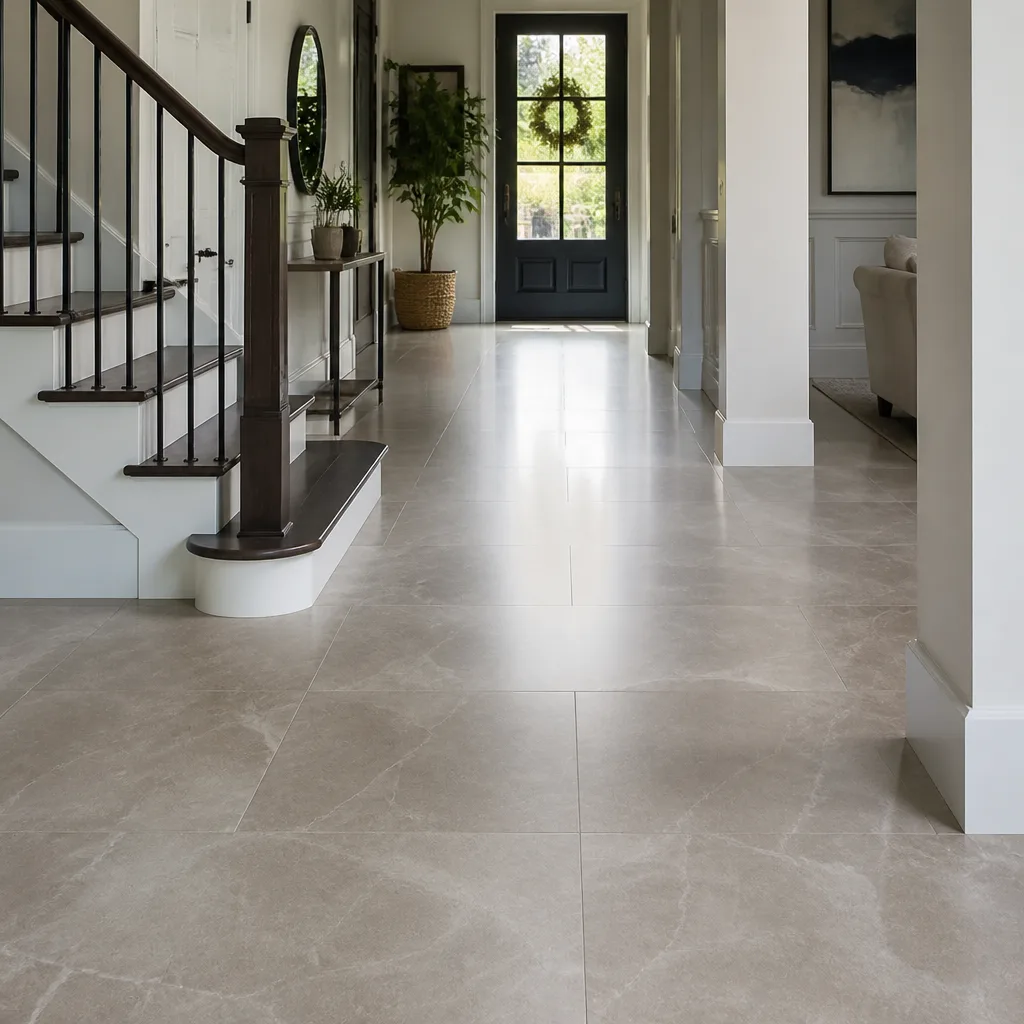 Porcelain tile
 Carpet
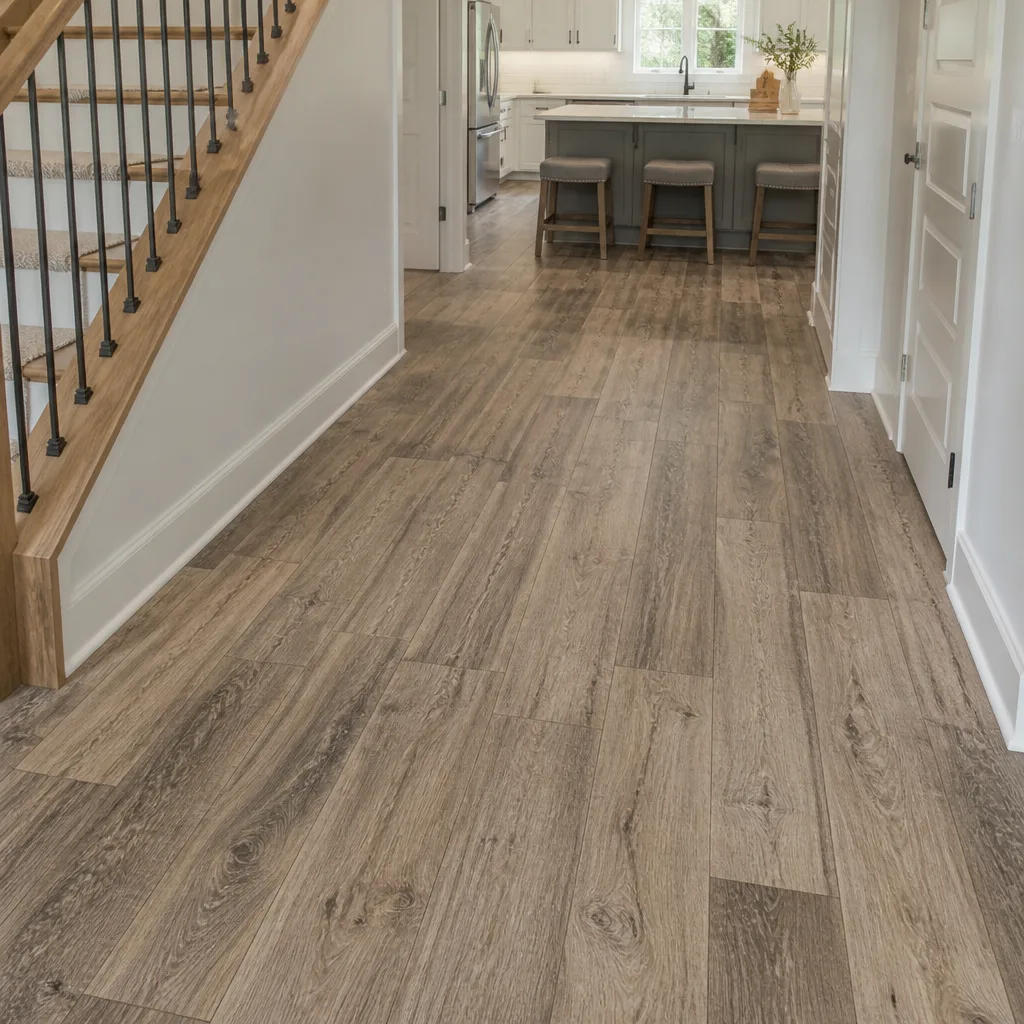 Shaw
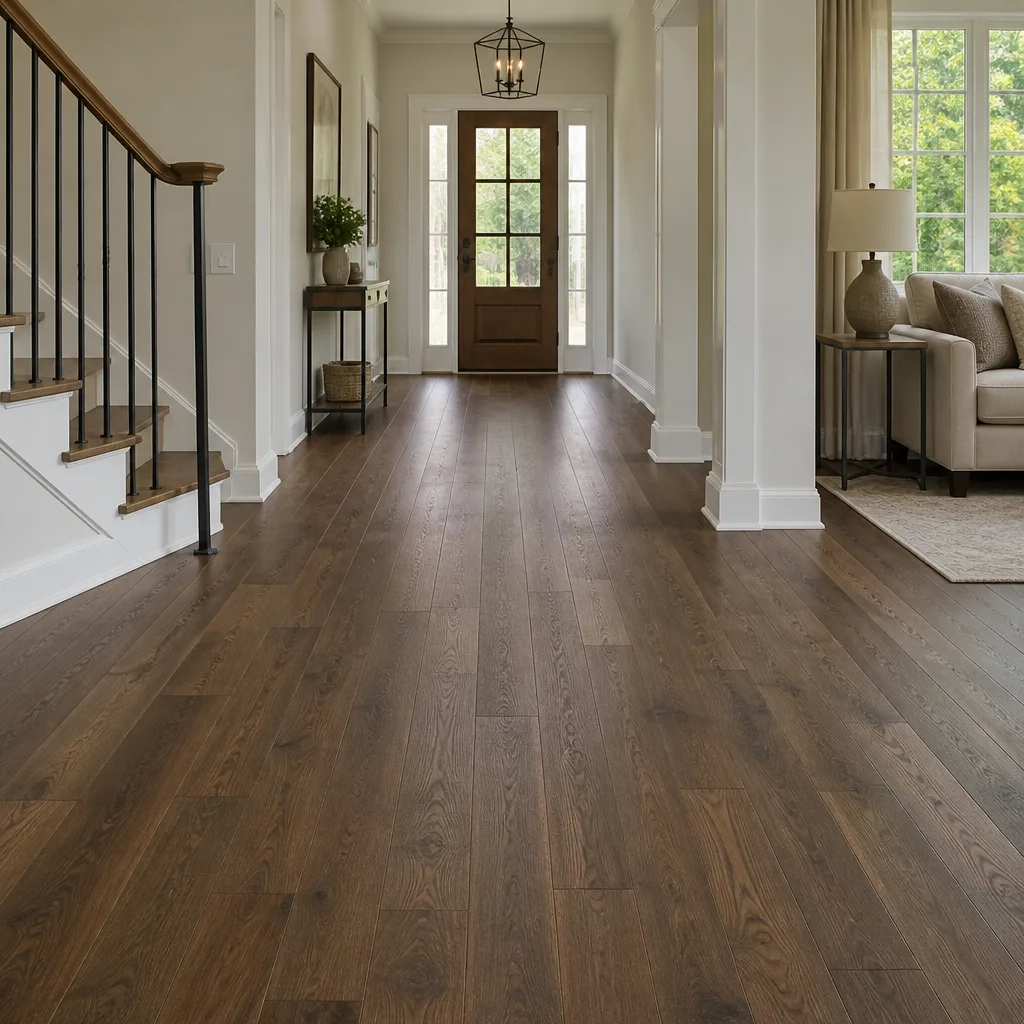 Mohawk
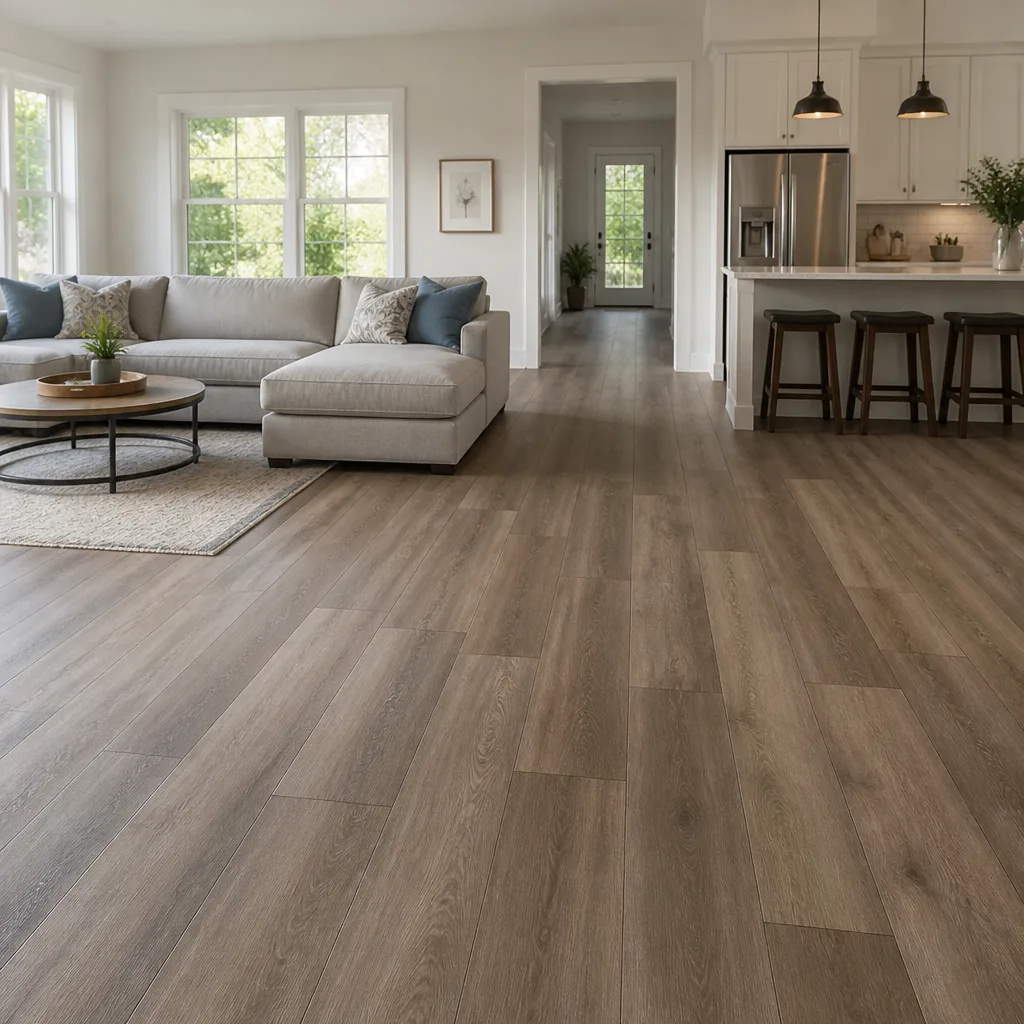 COREtec
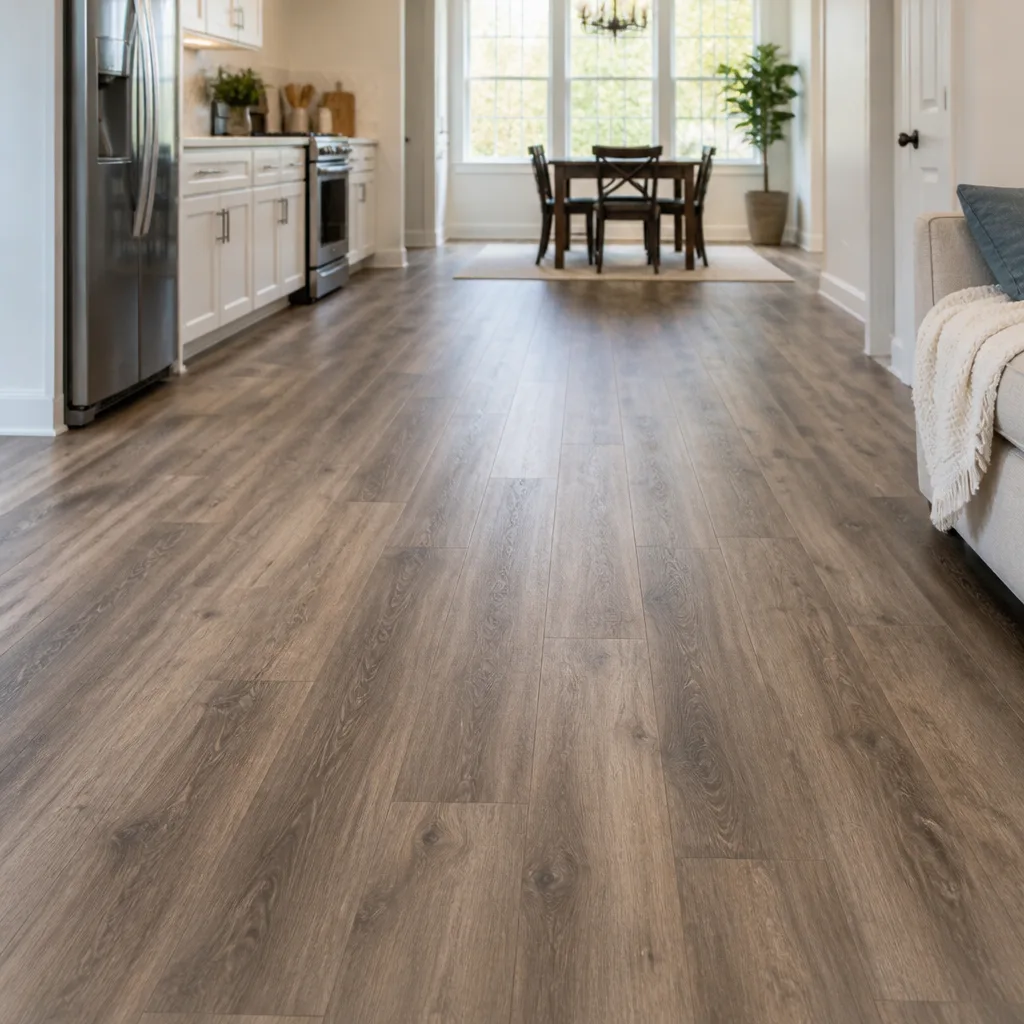 Pergo
Free in-home measure and written estimate: Shaw, Mohawk, COREtec and Pergo lines compared on your own rooms, with carpet, tile, vinyl plank, laminate and hardwood laid out side by side
Get your free estimateThe Complete Guide to Flooring in Boulder City
Most flooring advice you’ll find online is written for a national audience, and it quietly assumes a climate that Boulder City doesn’t have. People assume desert means dry everywhere, so any floor that works in Las Vegas must work here. But Boulder City sits higher, cools down harder at night, and runs well under 25% relative humidity for much of the year. That single fact disqualifies several popular flooring choices that perform fine elsewhere but slowly fail here. In this guide, we’ll walk through how Boulder City’s desert air affects wood, adhesive, and grout, what older homes here mean for your subfloor, and how to sequence a project so you don’t box yourself in on budget.
Quick Answer
The best flooring for a Boulder City home depends on the room and the household, but the local climate narrows the field. Engineered hardwood, water-resistant luxury vinyl, and porcelain tile handle our low humidity and big temperature swings best, while solid hardwood and thin laminate need more caution. Older homes here often need subfloor work before anything goes down. Get a free in-home measure and written estimate before you buy material.
Styles & brands we work with
- Hardwood
- Engineered hardwood
- Luxury vinyl plank
- Laminate
- Porcelain tile
- Carpet
- Shaw
- Mohawk
- COREtec
- Pergo
Table of Contents
- How Boulder City’s Desert Climate Affects Flooring
- Older Subfloors in Boulder City Homes
- A Category-by-Category Breakdown for Boulder City
- Why Being 25 Miles From Las Vegas Matters
- How to Sequence a Flooring Project
- Common Mistakes to Avoid
- When to Call a Professional
- Frequently Asked Questions
How Boulder City’s Desert Climate Affects Flooring
Boulder City averages under 25% relative humidity for much of the year, and that number shapes every material decision you’ll make. Low humidity pulls moisture out of wood, which causes boards to shrink and gaps to open at the seams. It also cures adhesives faster than the product instructions assume, and it can shrink grout as it sets. None of this means you can’t have the floor you want. It means the material and the installation method have to match the conditions.
Temperature swings matter just as much. Desert days get hot and nights cool down fast, so a floor near a west-facing window or a sliding door expands and contracts more than the same floor would in a milder climate. Here’s what that looks like in practice:
- Wood moves. Solid and engineered wood both respond to humidity loss. Engineered planks are built to handle movement better, which is why they’re often the safer pick here.
- Adhesives set fast. Low humidity speeds up cure time, so installers need to work in smaller sections and follow the product’s stated conditions.
- Grout needs attention. Grout that dries too quickly can crack. Porcelain tile with the right grout and a proper cure handles our air well.
- Indoor humidity can be managed. A whole-home humidistat or even a few room humidifiers in winter can reduce movement, though the floor still has to be chosen for the climate.
If you’re comparing this against the broader Las Vegas metro, the difference is real. Boulder City runs cooler and often drier than the valley floor, so a floor that survives a Las Vegas install isn’t automatically safe here. For a closer look at how we approach local projects, see our Boulder City page.
Older Subfloors in Boulder City Homes
A large share of Boulder City’s housing went up during the Hoover Dam era and the mid-century construction booms that followed. That history is part of what makes this town special, and it’s also the first thing an installer has to think about. Subfloors in pre-1970s homes were built to different standards than today’s, and they’ve had decades to move, settle, and take on moisture damage. Before any new floor goes down, the subfloor has to be checked.
Here’s what a proper subfloor evaluation involves:
- Check for flatness. A floor that isn’t flat will telegraph through rigid planks and cause hollow spots under tile. The product instructions and the written estimate set the tolerance.
- Look for moisture and old damage. Past leaks, slab moisture, and soft spots under carpet all need to be found before new material covers them.
- Identify what’s actually under the old floor. Some mid-century homes have layers of old flooring that need to come up, and some have asbestos-containing material that has to be handled by a licensed abatement contractor before we touch it.
- Plan the transition heights. Adding a new floor over an old one changes door clearances and stair nosings. Better to sort that out at the estimate than mid-install.
We’ve seen plenty of projects where the subfloor work was the real job and the new floor was the easy part. Budget for it up front rather than discovering it after material is delivered.
A Category-by-Category Breakdown for Boulder City
Every flooring category has a pass or caution verdict for Boulder City conditions. Here’s how we’d call each one for a typical home here, based on what actually holds up in our climate.
Hardwood
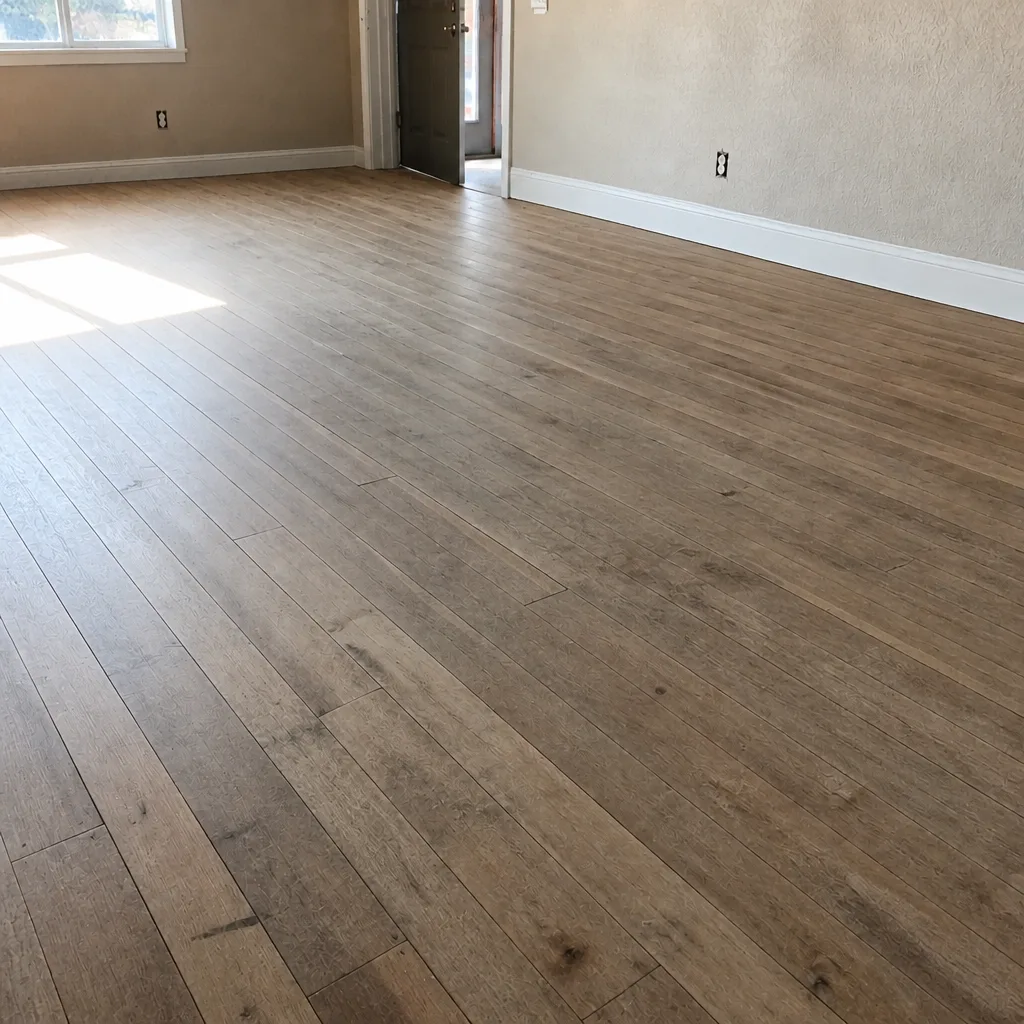
Engineered hardwood passes for most rooms. Its layered construction handles our humidity swings better than solid wood, and if the wear layer is thick enough it can be refinished later. Solid hardwood is a caution: it can work, but it needs careful acclimation and indoor humidity management. If you already have hardwood, refinishing is often the smarter move than replacement. We handle Boulder City Flooring projects that mix restoration with new material, so a renovation doesn’t need two contractors.
Luxury Vinyl Plank (LVP)
LVP is one of the strongest picks for Boulder City. Rigid-core products like COREtec and Karndean handle low humidity and temperature swings well, and they’re water-resistant enough for kitchens, laundry rooms, and pet areas. It’s a pass for nearly every room. Just remember that water-resistant isn’t waterproof in the sense of standing water; spills and leaks still need to be dealt with promptly.
Laminate
Laminate is a qualified pass. Modern water-resistant laminate from LifeProof and Pergo can work well in dry rooms, but it’s more sensitive to moisture from below and to standing water than LVP. In a Boulder City home with a slab foundation, check for moisture before committing. In a bedroom or hallway, it’s a solid choice at a friendly price.
Tile
Porcelain tile is a clear pass for Boulder City. It doesn’t care about humidity, it handles heat, and it’s the right call for bathrooms, kitchens, entryways, and anywhere moisture lives. The main risks are installation-related: grout that cures too fast and subfloor movement under the tile. A dedicated tile partner like Daltile brings professional-grade material to the job, and our tile flooring installation work is scheduled around a proper cure.
Carpet
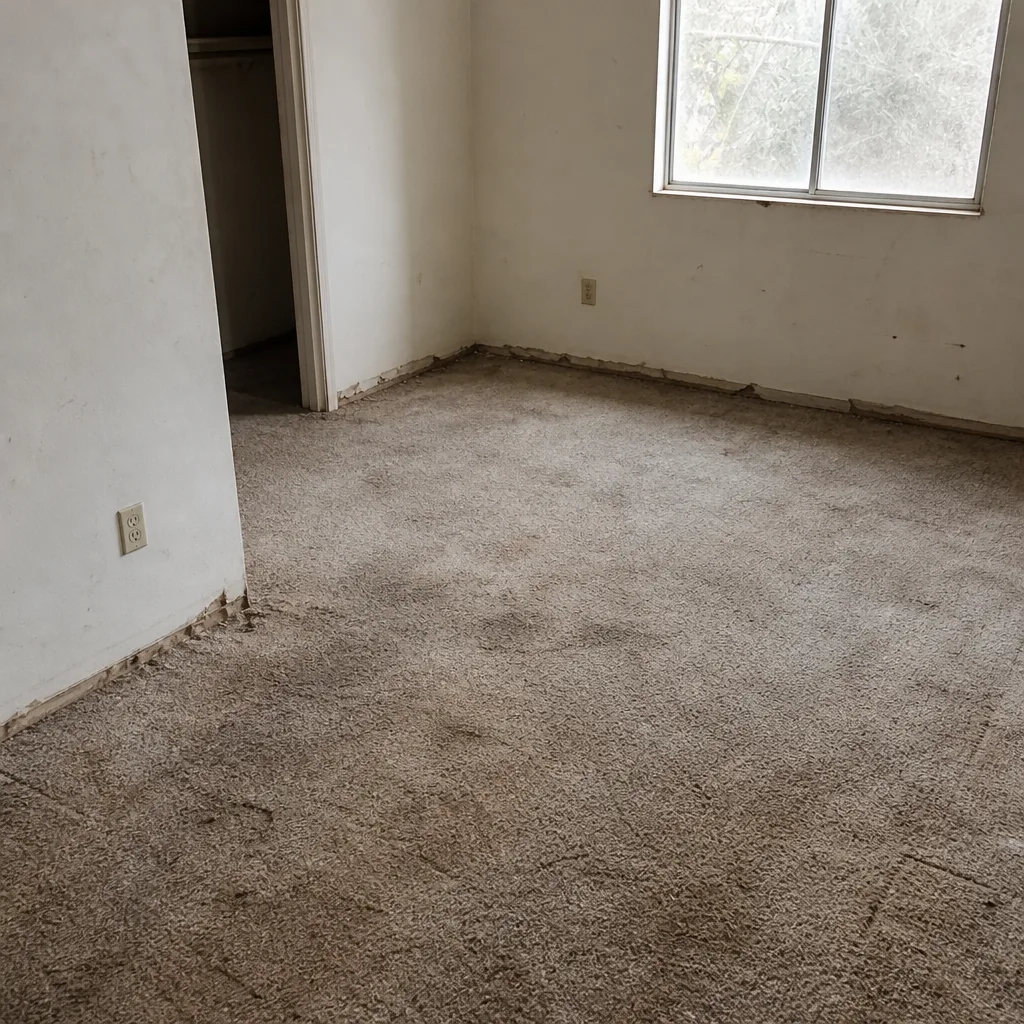
Carpet passes for bedrooms, closets, and living areas where comfort matters more than moisture resistance. In a dry climate it holds up well. The one caution is a room with any history of moisture, where carpet can trap problems underneath. Brands like Shaw and Mohawk cover the range from budget-friendly to designer. For a closer look at options and process, see our page on carpet installation.
Why Being 25 Miles From Las Vegas Matters
Boulder City sits about 25 miles from Las Vegas, and that distance changes the logistics of a flooring project more than most homeowners expect. Big-box stores in Las Vegas carry a lot of material, but they don’t carry everything, and a special order can mean a return trip. That affects lead times, scheduling, and what happens after the install if something needs attention.
Here’s what the distance means in practice:
- Lead times. Material that isn’t in stock locally has to be ordered and shipped. A product you love in a Las Vegas showroom may not be on hand when you need it, so confirm availability before you commit.
- Scheduling. A booked install day depends on material arriving and the crew being free. Plan the order and the install together, not separately.
- Post-install service. If a board lifts or a grout line cracks, having a single local contact who can come back and look at it is worth more than saving a few dollars on material. Coordinating a return trip from Las Vegas for a small fix is a hassle most people don’t want.
Single-source accountability matters here. One contractor handling carpet, tile, and hardwood means you’re not coordinating three separate trades across a 25-mile gap. Our team has up to 10 years of experience with local installs, and we know what ships on time and what doesn’t.
How to Sequence a Flooring Project
The order in which you make decisions matters as much as the decisions themselves. Get the sequence wrong and you can end up with material you can’t use, a budget that’s already spent, or a subfloor problem discovered after the floor is down. Here’s the order that works for Boulder City projects.
- Decide the scope first. Which rooms, and is this a refresh or a whole-home project? Scope sets everything else.
- Get the subfloor evaluated. Do this before you buy material. Older Boulder City homes can hide issues that change what’s feasible.
- Set a realistic budget, including installation and prep. Material is only part of the cost. Subfloor work, transitions, and removal of the old floor all count.
- Choose materials by room and lifestyle. Pets, kids, moisture, and traffic should drive the choice, not a showroom display.
- Order material and book the install day together. Confirm lead times before you commit to a date.
- Plan the post-install care and any follow-up. Know who to call if something needs attention, and keep the product info for future reference.
If you decide hardwood is part of the project, decide restore-or-replace early. Refinishing is often a smart alternative to full replacement, and it counts on the budget side. It depends on the thickness of the wood and its condition, which we check at the estimate visit.
Common Mistakes to Avoid
- Buying material before checking the subfloor. In an older Boulder City home, the subfloor can change what’s feasible. Check it before you spend on planks or tile.
- Assuming solid hardwood is the premium choice for every room. In our low-humidity climate, engineered wood often performs better. Match the material to the room, not the label.
- Treating water-resistant as waterproof. Rigid-core LVP handles moisture well, but standing water and moisture from below still have to be dealt with. No floor is immune to a leak.
- Ordering from Las Vegas without confirming lead times. A product that isn’t in stock can delay your install. Confirm availability before you commit to a date.
- Skipping the written estimate. A free in-home measure and a written price protect you from surprises. The written estimate sets the final price.
- Forgetting about door clearances and transitions. A new floor changes heights at doorways and stairs. Plan for it rather than discovering it mid-install.
- Choosing a floor by color alone. The right floor for how you actually live beats a display that looks good under showroom lighting. Think about pets, kids, and traffic first.
When to Call a Professional
Some flooring work is genuinely doable as a weekend project, and some isn’t. Call a professional if your home is pre-1970s and you don’t know what’s under the current floor, if the subfloor is uneven or has signs of moisture, or if you’re installing tile over a slab and want the grout to last. Call if you’re mixing restoration and new material in a renovation, or if a whole-home project needs one point of accountability across carpet, tile, and hardwood. Call if you’re planning a hardwood refinish and aren’t sure the wood is thick enough to sand. Boulder City Flooring offers free estimates in Boulder City. Call (844) 560-5320 to schedule one. We answer 24/7, with fast dispatch from 7am to 7pm, Sunday through Friday.
Frequently Asked Questions
Engineered hardwood, rigid-core luxury vinyl like COREtec and Karndean, and porcelain tile are the safest picks for Boulder City. They handle low humidity and big temperature swings better than solid hardwood or thin laminate. The right choice still depends on the room and the household. Call (844) 560-5320 for an exact quote; estimates are free.
Yes, over time. Wood loses moisture and shrinks in low humidity, which opens gaps at the seams and can cause cupping at the edges. Engineered wood handles it better than solid, and indoor humidity management helps. Have a professional check any existing wood floor before refinishing it. Call (844) 560-5320 for an exact quote; estimates are free.
You can, but rigid-core LVP still requires a flat, clean subfloor and careful acclimation. On older Boulder City homes, the subfloor is often the deciding factor. If you’re unsure, a free measure and written estimate will tell you what the job actually involves. Call (844) 560-5320 for an exact quote; estimates are free.
Cost depends on material, square footage, and subfloor condition. Carpet and laminate sit at the lower end, luxury vinyl and engineered hardwood in the middle, and tile plus a refinish near the top. The written estimate sets the final price after a free in-home measure. Call (844) 560-5320 for an exact quote; estimates are free.
It affects lead times and post-install service. Material that isn’t in stock in Boulder City has to be ordered and shipped, and a small fix afterward means coordinating a return trip. A single local contractor handling the whole project reduces that risk. Call (844) 560-5320 for an exact quote; estimates are free.
Refinishing is often the smarter move if the wood is thick enough and in good condition. It depends on the thickness of the wood and its condition, which we check at the estimate visit. Not every floor can be refinished, and a stain won’t always match a sample. Call (844) 560-5320 for an exact quote; estimates are free.
The Bottom Line
Boulder City is its own micro-climate, and the flooring rules that work elsewhere don’t automatically apply here. Our low humidity, temperature swings, and older housing stock all point to the same advice: choose materials by room and lifestyle, check the subfloor before you buy, sequence the project in the right order, and keep lead times in view because Las Vegas is 25 miles away. Engineered hardwood, rigid-core LVP, and porcelain tile are the safest picks for most homes. Refinishing existing hardwood is often smarter than replacement. And a free in-home measure with a written estimate is the best way to avoid surprises.
Call (844) 560-5320 to schedule your free estimate. We answer 24/7, with fast dispatch from 7am to 7pm, Sunday through Friday.
Written by the team at Boulder City Flooring.
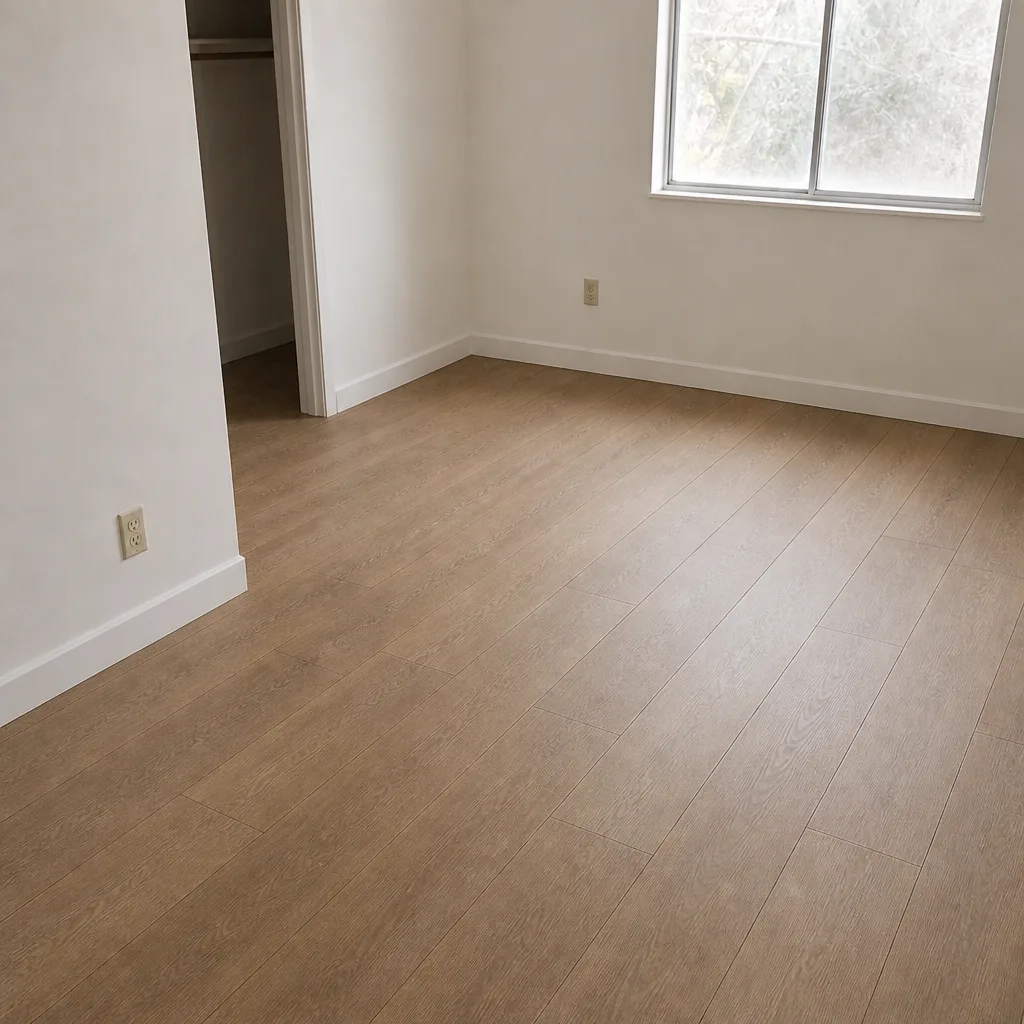
See the difference
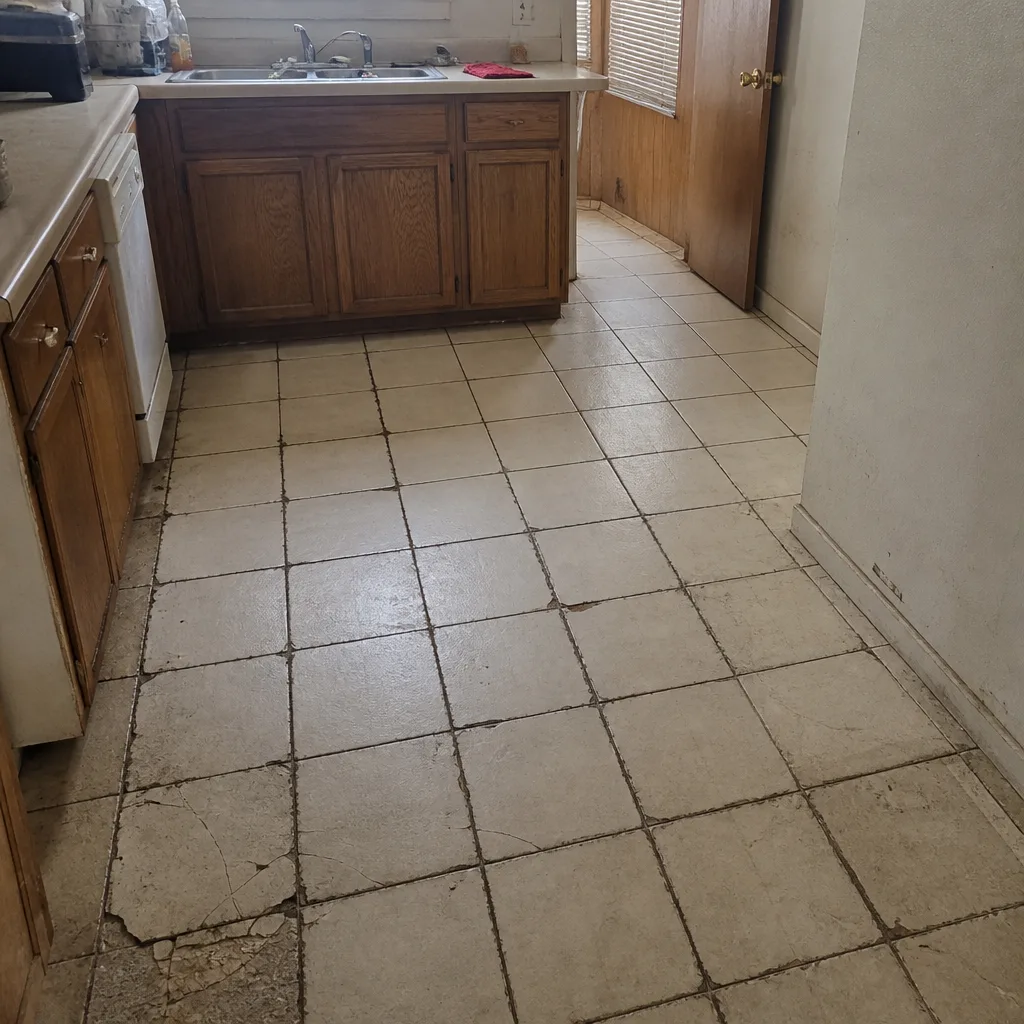 Before
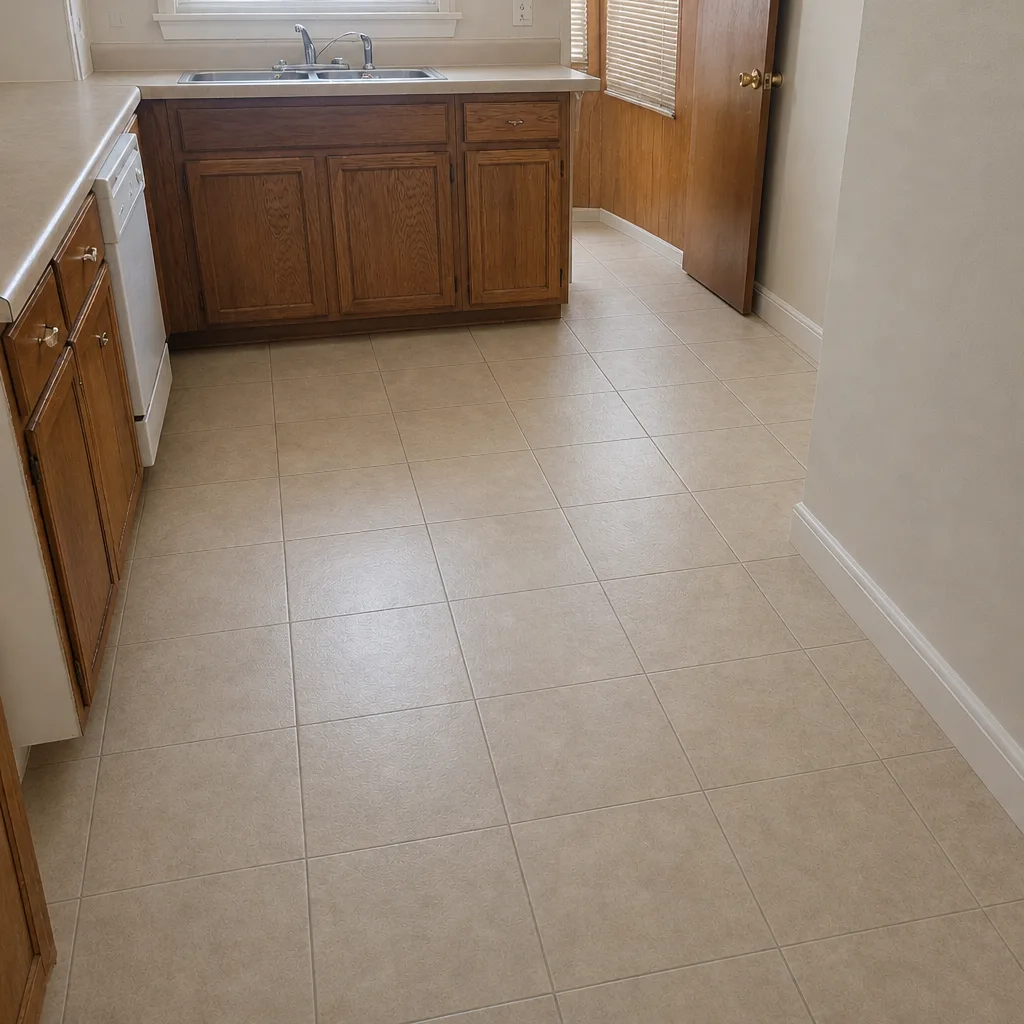 After
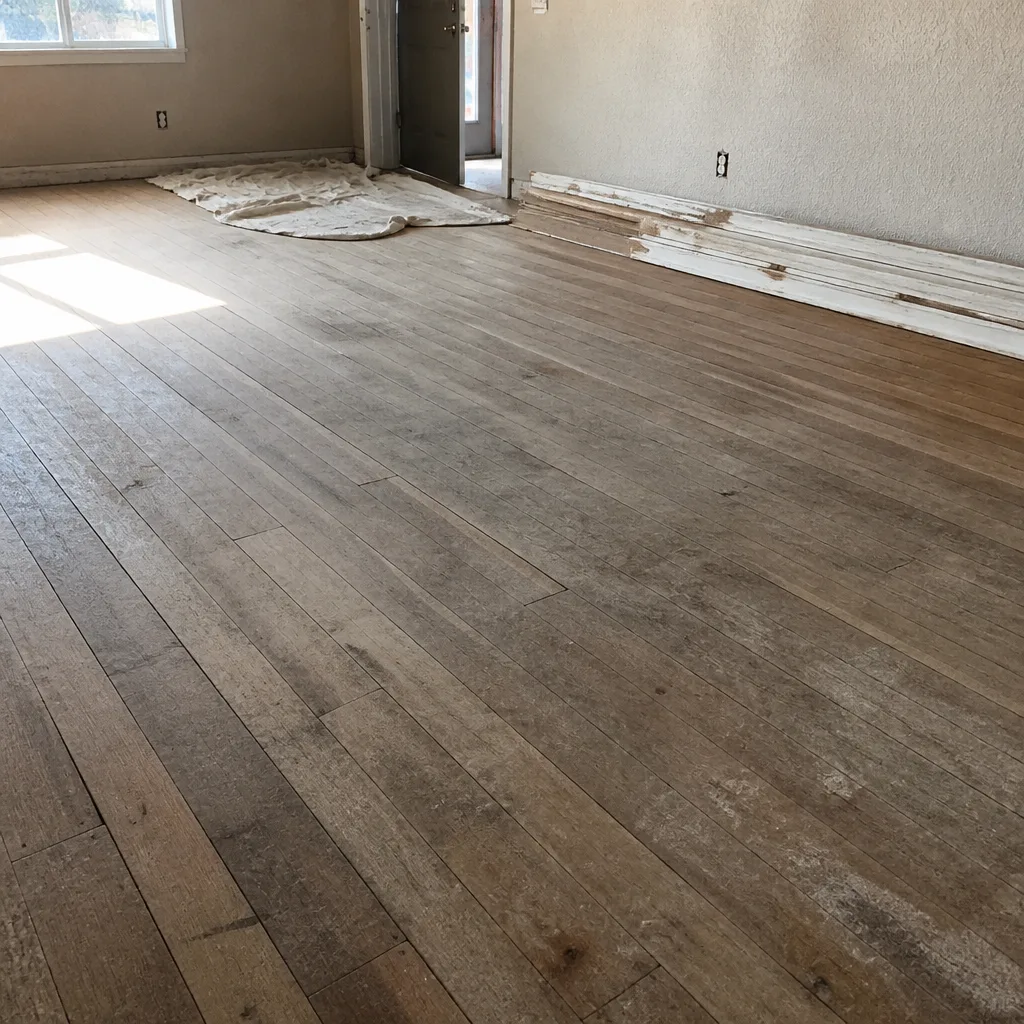 Before
 After
 Before
 After